
Buying Metallic Liquid Tight Conduit should never be treated as a simple product comparison. The correct choice protects wiring from water, oil, vibration, abrasion, and repeated movement. It also affects installation time and long-term maintenance. A shiny jacket alone proves very little.
Mike Holt, an electrical training authority, often reminds installers, “Electricity will always take the path of least resistance.” That principle also applies to conduit selection. A poorly matched connector, undersized trade size, or weak sealing jacket can create an easier path for moisture and mechanical damage. The details matter.
This guide presents seven practical tips for evaluating Metallic Liquid Tight Conduit before purchase. It examines construction, flexibility, temperature ratings, bend performance, connector compatibility, grounding continuity, and certification claims. Check the product markings carefully. Compare the conduit with the actual environment, not just the catalog photograph. A conduit used beside a washdown station faces different demands from one installed inside a dry control cabinet.
Real projects are rarely perfect. Measurements may be incomplete, and installers sometimes choose familiar brands without checking specifications. That habit deserves reconsideration. A lower price may hide thicker bending effort, poor fittings, or early jacket failure. On the other hand, the most expensive option is not automatically the safest. Review the application, confirm the required standards, and ask the supplier for clear technical documentation. Small decisions at the purchasing stage can prevent difficult repairs later.
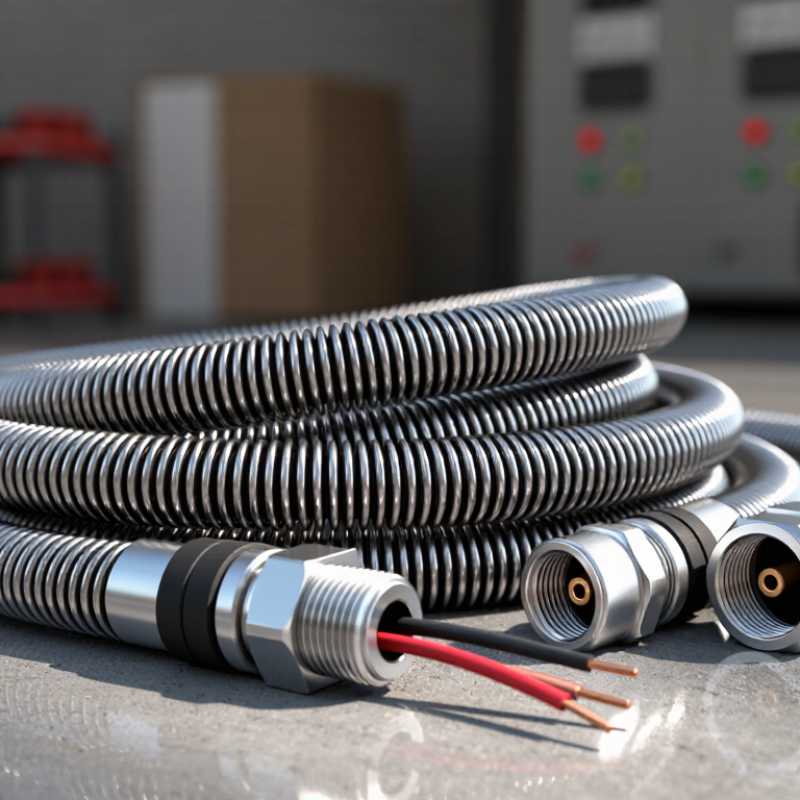
Metallic liquid tight conduit protects conductors from water, oil, vibration, and physical impact. It combines a flexible metal core with a sealed outer jacket. Applications include pump rooms, outdoor machinery, food-processing areas, and rooftop equipment. Before buying, confirm the environment, conductor size, bend radius, temperature range, and required trade size. A conduit that looks strong may still fail when exposed to constant sunlight or chemical splash.
Check whether the product and fittings meet the project’s applicable requirements, such as UL 360 and NFPA 70 Article 350. Select compatible connectors, locknuts, and sealing rings as one system. The National Fire Protection Association’s electrical-fire analysis estimated about 35,150 U.S. home fires yearly from electrical distribution and lighting equipment during 2015–2019. That figure reinforces the need for secure terminations and careful installation. Small gaps matter.
On site, measure the route before ordering. Leave room for movement near motors and avoid forcing tight bends. Compare jacket material, corrosion resistance, temperature ratings, and ingress protection claims.
Also review test records, installation instructions, and traceable certification. Some buyers focus only on conduit price. That is a costly blind spot. A cheaper option may require extra fittings, replacement labor, or earlier maintenance.
My own checklist still needs refinement, especially when several hazards overlap. The best choice is not simply the thickest conduit; it is the one matched to the actual exposure, movement, and connection details.
Buying metallic liquid tight conduit starts with the environment, not the price tag.
Start with the site. Walk the installation route and note rain, standing water, sunlight, heat, oils, and cleaning chemicals. A damp motor room needs different protection from a dry indoor panel. Check the conduit’s temperature range and jacket resistance against actual site conditions. For outdoor runs, confirm ultraviolet resistance and sealed fittings. In corrosive areas, verify material compatibility before ordering.
I once underestimated washdown exposure; the fittings failed before the conduit did.
Measure conductor count, insulation diameter, and required fill area. Do not size the conduit by nominal diameter alone. Confirm bend radius, pull length, and space around terminals. A crowded run can damage insulation during pulling. Verify grounding and bonding continuity through every metallic section and fitting. Check voltage, fault-current duty, and installation methods with a qualified electrician. Where cables serve sensitive controls, consider shielding and separation from noisy power conductors.
Check every seal.
Review test markings, ingress protection, and applicable electrical requirements for the project location. Ask for installation instructions and evidence supporting the stated ratings. Inspect threads, gaskets, and locknuts before installation; small defects invite moisture. Leave enough slack for movement, but avoid loose loops that collect water.
I still recheck measurements in the field, because drawings can hide awkward offsets.
Buying metallic liquid tight conduit requires more than matching a diameter on a catalog page. I start by checking the environment: moisture, oil, sunlight, chemicals, vibration, and temperature changes. Galvanized steel offers strong mechanical protection, while stainless steel suits aggressive or damp areas. Aluminum reduces weight, but its compatibility with fittings and nearby metals deserves careful review. The wrong material can corrode quietly.
Conduit size must accommodate every conductor without crowding. Count the wires, measure their insulation diameters, and verify the allowed fill percentage in the applicable electrical standard. Leave practical room for pulling and future maintenance. A crowded run may pass an initial inspection yet become difficult to repair. I have made that mistake on tight equipment layouts. Rechecking the calculation is worthwhile.
Flexibility also needs a realistic purpose. Use a tighter bend radius near moving machinery, but do not force the conduit around sharp corners. For vibration, select a construction rated for repeated movement, then support the run so its weight does not hang on the fittings. Check the conduit’s temperature range and liquid-tight performance after choosing the size. Fittings must match the conduit material and provide reliable bonding where required. This step is often rushed. It should not be. Test the finished route by checking bend limits, connection tightness, and clearance from hot surfaces.
| Tip | Decision Factor | Recommended Selection | Typical Characteristics | Sizing or Installation Check |
|---|---|---|---|---|
| 1 | Confirm the conduit type | Use metallic liquidtight flexible conduit, commonly identified as LFMC, when both flexibility and protection against liquids are required. | A flexible metal core is combined with a liquid-resistant outer jacket. It is commonly used for motors, pumps, outdoor equipment, and vibration-prone connections. | Verify that the conduit, fittings, and installation method are approved for the intended environment and electrical system. |
| 2 | Choose the metal material | Select galvanized steel for general indoor or protected installations; choose stainless steel where corrosion exposure is severe. | Galvanized steel offers strong mechanical protection and broad availability. Stainless steel provides improved resistance in wet, corrosive, or washdown areas. | Assess moisture, chemicals, salt spray, cleaning agents, temperature, and the possibility of dissimilar-metal corrosion. |
| 3 | Match the outer jacket to the environment | Use a jacket rated for exposure to water, oil, sunlight, chemicals, or low temperatures as applicable. | The jacket provides liquid resistance and protects the metal core. Common jacket materials have different resistance to oils, ultraviolet light, heat, and abrasion. | Check the manufacturer’s environmental ratings and confirm that the jacket remains suitable at the minimum and maximum operating temperatures. |
| 4 | Select the correct trade size | Choose the smallest trade size that meets conductor fill, pulling, bending, and future-maintenance requirements. | Common trade sizes include 3/8, 1/2, 3/4, 1, 1-1/4, and 1-1/2 inches, with larger sizes available for higher conductor capacity. | Calculate conductor fill using the applicable electrical code. Do not select the size based only on the outside diameter of the cable. |
| 5 | Balance flexibility and bend radius | Use highly flexible conduit for frequent movement or tight routing; use a heavier construction when stiffness and impact protection are more important. | More flexibility simplifies installation but can reduce mechanical strength. A larger size may require a larger minimum bend radius. | Follow the published minimum bend radius. Avoid sharp bends, repeated flexing beyond the product rating, and bending directly at fittings. |
| 6 | Verify fittings and grounding continuity | Use compatible liquidtight fittings with correctly sized sealing rings, locknuts, and strain-relief components. | A liquidtight system depends on the conduit and fittings working together. Metallic conduit may also form part of the equipment grounding path when permitted by the applicable code. | Confirm fitting compatibility, tighten connections correctly, protect threads, and test electrical continuity where required. |
| 7 | Check standards, temperature, and documentation | Buy conduit with clearly stated approvals, dimensions, operating-temperature limits, and installation instructions. | Performance can vary by construction, jacket compound, size, and fitting system. Product documentation is essential for confirming suitability. | Review the applicable local electrical code, certification markings, flame or sunlight ratings, temperature range, and manufacturer installation requirements before purchase. |
Buying metallic liquid tight conduit starts with standards, not shiny jackets or low prices. Check whether the product meets UL 360, IEC 61386-1, or CSA C22.2 No. 56, depending on the installation location. Ask for the certificate number, testing scope, and current revision date. A printed logo proves little. Certification should trace back to an accredited testing body and match the exact conduit construction.
Product quality becomes visible during handling. Look for a continuous metal core, uniform corrosion protection, and a flexible outer jacket without thin spots. Measure the actual inside diameter before selecting fittings. The fitting should grip firmly and preserve the enclosure’s liquid-tight rating. In field inspections, I also check bend recovery, thread condition, and jacket damage near cut ends. Small defects often appear there.
NFPA’s Electrical Fires report for 2015–2019 recorded about 32,000 U.S. home fires annually involving electrical distribution and lighting equipment. These fires caused roughly 470 civilian deaths, 1,100 injuries, and $1.3 billion in property damage each year. Conduit cannot prevent every electrical failure, but reliable protection reduces exposure to moisture, abrasion, and mechanical stress. Request salt-spray, flexing, crush, and water-ingress test results when available. Some suppliers provide impressive certificates but weak traceability. I would reject products lacking batch identification or installation instructions. That decision can feel cautious, yet replacing failed conduit costs more than checking it properly.
Buying metallic liquid tight conduit requires more than checking diameter and price. On site, I compare flexibility, bend radius, connector design, jacket quality, and temperature range. A conduit that bends smoothly saves labor around motors and crowded panels. It should resist oil, moisture, sunlight, and repeated movement when the installation demands it. Check the fittings too. Poor threads can delay a job.
Installation cost often hides behind the reel price. I measure cutting waste, connector quantity, labor hours, and replacement risk. A cheaper conduit may need extra supports or careful routing. That difference becomes expensive across a long run. Ask for clear unit pricing, freight terms, minimum order quantities, and lead times. Request samples or test data when performance claims seem vague. Small details matter.
Supplier support is practical evidence of reliability. A capable supplier should provide dimensional drawings, compatibility guidance, certificates, and responsive technical answers. Ask how quickly they handle shortages, damaged cartons, or inconsistent batches. One project I reviewed lost time because the supplied fittings did not match the conduit thread. The specification was correct, but communication failed. That mistake changed my checklist: confirm every interface in writing, and document approved alternatives. Do not ignore electricians’ feedback. Their hands notice stiffness before a spreadsheet does.
Accreditations
ISO 9001 Quality Management
HSE Management Compliant
Products and services comply with relevant Australian (AS) and international (ISO, etc.) Standards.
"*" indicates required fields