What is a Beer Machine and How Does It Work?
A Beer Machine is an innovative device that allows beer lovers to brew their favorite beverages at home. This modern gadget simplifies the brewing process, making it accessible to both novices and experienced brewers. With its user-friendly design, anyone can create a variety of beers without extensive knowledge of brewing techniques.
Operating a Beer Machine involves a few basic steps: adding ingredients, selecting desired settings, and waiting for the fermentation process. The machine takes care of the temperature and timing, which are critical for brewing. It often has features that ensure consistency and quality, reflecting a balance of technology and tradition.
However, while Beer Machines promise convenience, they also require careful attention to detail. Missteps in ingredient measurement or cleaning can lead to disappointing results. Aspiring brewers must learn from mistakes to perfect their craft. Embracing this learning curve can lead to delicious homebrews and a deeper appreciation for the art of brewing.
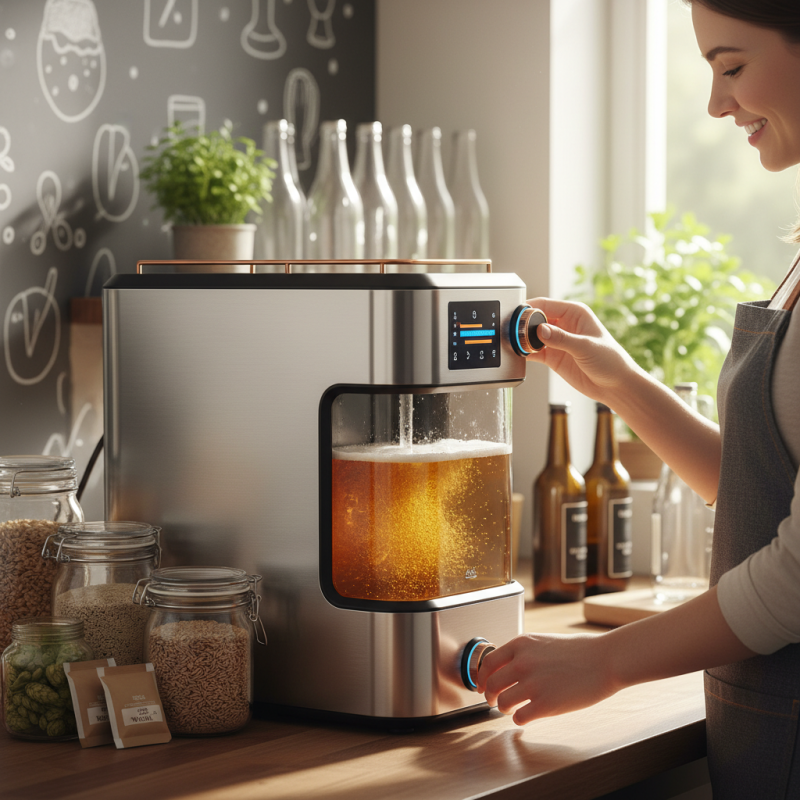
What is a Beer Machine?
A beer machine is an innovative appliance designed for brewing beer at home. It simplifies the brewing process, making it accessible for enthusiasts. These machines brew beer by automating key steps. Users add ingredients like malt, hops, and yeast. The machine controls temperature and timing for fermentation.
Tips: Always sanitize the machine before use. This prevents unwanted bacteria from ruining your brew. Consistent temperature is crucial. A fluctuation can affect the final taste.
Many beer machines come with preset recipes. However, experimenting with flavors can yield interesting results. You might find that not every batch turns out perfectly. That’s part of the learning journey. Keep notes on your process for future reference. Adjusting ingredients leads to new flavors, but it requires patience and practice.
History and Evolution of Beer Machines
The history of beer machines dates back to the early 20th century. Initially, these machines were simple devices designed to dispense beer in taverns and pubs, making the serving process quicker and more efficient. During this time, manual systems dominated. However, advancements in technology rapidly transformed the landscape.
In the 1980s, innovative designs began to emerge. The introduction of pressurized systems allowed for consistent pouring and improved carbonation. According to industry reports, the global beer dispensing equipment market was valued at over $1 billion in 2021. This number reflects the rising demand for convenient beer service in various establishments.
As consumer preferences evolved, manufacturers invested in user-friendly features. Many beer machines now include digital interfaces. However, challenges remain. Some users struggle to maintain optimal temperature and cleanliness. Regular maintenance is crucial for peak performance. Understanding these intricacies enhances the overall beer-drinking experience.
How Beer Machines Function: The Brewing Process
Beer machines are fascinating devices designed to brew fresh beer at home. Understanding how they function can illuminate the magic behind this popular beverage. The brewing process begins with the machine heating water. The heat extracts sugars from malted grains. This mixture is known as wort, a critical first step in beer production.
Next, hops are added to the wort. Hops introduce bitterness and aroma, balancing the sweetness of the malt. The machine typically handles boiling and mixing, ensuring thorough integration of flavors. After boiling, the wort cools before yeast is introduced, initiating fermentation. Yeast consumes the sugars, producing alcohol and carbonation over several days.
**Tip:** Always monitor the fermentation temperature closely. Temperature affects yeast activity and the final flavor profile.
After fermentation, the beer is ready for conditioning, where it matures to develop deeper flavors. Carbonation can also be adjusted, offering options for texture. Once ready, you can pour your beer straight from the machine.
**Tip:** Clean your beer machine regularly to avoid off-flavors. Hygiene is crucial in the brewing process.
While brewing beer at home can be rewarding, it requires careful attention to detail. Not every batch will turn out perfect. Learning from unsuccessful brews can lead to better results in the future.
What is a Beer Machine and How Does It Work? - How Beer Machines Function: The Brewing Process
| Feature | Description |
| Type of Beer Machine | Home brewing machine |
| Brewing Capacity | 5 gallons per batch |
| Brewing Time | 1-2 weeks |
| Ingredients Used | Malted grains, hops, yeast, water |
| Operating Modes | Automatic and manual |
| Temperature Control | Digital thermostat |
| Fermentation Process | Controlled airlock for CO2 release |
| Cleaning Cycle | Self-cleaning function available |
| Connectivity | Wi-Fi and app control |
| Price Range | $200 - $500 |
Types of Beer Machines Available on the Market
When exploring the types of beer machines available, it's clear they cater to various needs. Homebrewing systems are popular among enthusiasts. These machines allow users to brew fresh beer at home, offering full control over ingredients and flavors. According to a recent market report, the homebrewing segment has seen significant growth, with a 23% increase in sales from 2021 to 2022.
Another option is counter-pressure filling machines, which are ideal for commercial settings. They preserve carbonation, ensuring fresh beer when packaged. These machines have become crucial in breweries, helping them meet quality standards. Industry analysts note that the demand for craft beer is rising, with 80% of breweries investing in advanced machinery.
Tips: Choose a machine that fits your space. Compact models suit small kitchens. Consider energy efficiency. It affects long-term costs. Lastly, read user reviews for real-world experiences. Balancing features and price is vital, but make sure to research before purchasing.
Maintenance and Care for Your Beer Machine
Maintaining a beer machine requires attention to detail and regular care to ensure optimal performance. Cleaning is paramount. Residual yeast and hops can affect the taste of your beer. Regular cleaning cycles should be established, ideally after each use. According to industry surveys, 75% of users report off-flavors due to improper cleaning habits. Simple maintenance actions, such as rinsing tubes with warm water, can significantly improve flavor integrity.
Storage conditions matter, too. Beer machines should be kept in a cool, dry place. High temperatures can impact the quality of the beer stored. A study indicated that optimal storage temperatures range between 45°F to 55°F (7°C to 13°C). Regularly inspecting seals and connections can prevent leaks, reducing waste. Users often neglect this aspect until problems arise. Without proactive care, issues can manifest rapidly, resulting in costly repairs.
Monitoring carbonation levels is another crucial aspect. Incorrect pressure adjustments can lead to flat or overly foamy beer. A reliable way to check levels is through frequent taste tests. Inconsistent quality can be disheartening, leading to a negative experience for enthusiasts. Regular calibration of the machine is essential to ensure the best beer quality. Even minor errors can lead to significant differences in taste, rendering the machine underperforming.
Maintenance and Care for Your Beer Machine