
Who Is the Best Galvanized Steel Wire Manufacturer in China?

Choosing a Galvanized Steel Wire Manufacturer requires more than comparing prices. Buyers should examine coating consistency, tensile strength, diameter tolerance, corrosion protection, and traceable quality records. A bright, even zinc layer matters. So does a test report tied to the delivered batch. Small gaps in documentation can make supplier comparisons unreliable.

The scale of China’s steel industry offers useful context, but it does not prove an individual factory’s quality. The World Steel Association reported that China produced 1,005.1 million tonnes of crude steel in 2024, out of 1,882.6 million tonnes worldwide. These figures describe crude steel, not galvanized wire output. They should not be mistaken for a ranking of wire manufacturers. Dr. Edwin Basson, Director General of the World Steel Association, has emphasized steel’s continuing importance to modern infrastructure. That broader point is relevant, though it cannot replace product-level evidence.

This guide compares manufacturers through verifiable signals: published specifications, coating-weight options, production capability, inspection methods, and export experience. Ask for recent test certificates and confirm that stated standards match the intended application. A polished catalog is not proof. Factory audits and sample testing can reveal differences that sales language hides. Even so, no single checklist fits every project; the right supplier depends on the wire’s use, required service life, and delivery conditions.
Who Is the Best Galvanized Steel Wire Manufacturer in China?

Galvanized Steel Wire: Products, Applications, and Manufacturing

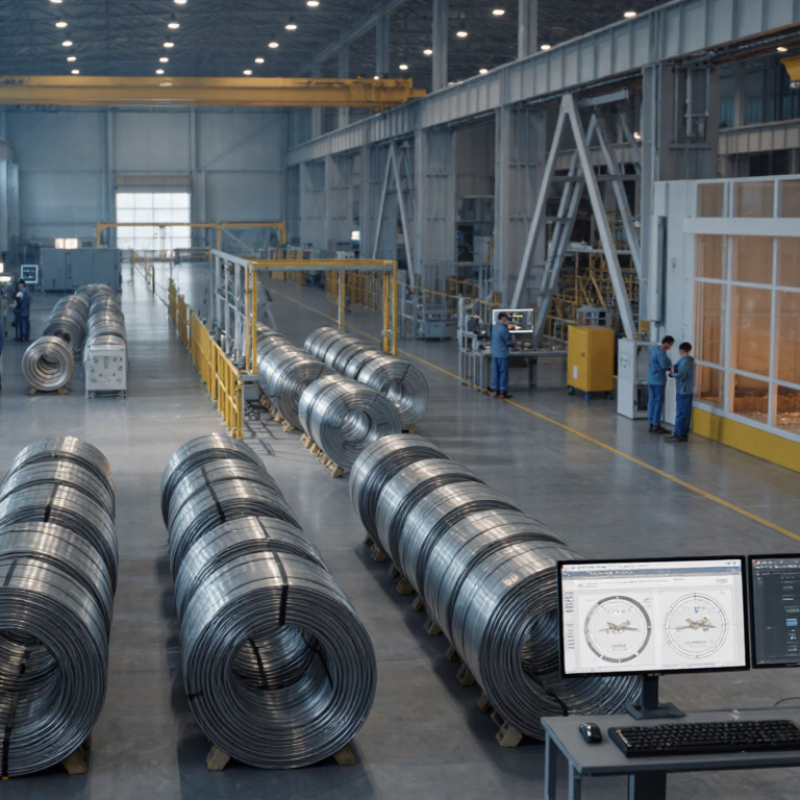
Galvanized steel wire combines a steel core with a protective zinc coating. Common products include low-carbon wire for fencing and binding, and higher-strength wire for engineered uses. Buyers should compare diameter, tensile strength, coating mass, and finish—not price alone. Small details matter. The World Steel Association reported 1,005.1 million tonnes of crude steel production in China in 2024. That figure describes steel output, not galvanized-wire capacity, but it shows the scale of the country’s steel supply chain.

Manufacturing usually begins with wire drawing, which reduces the rod to the required diameter. The wire is then cleaned and treated before zinc is applied, often by hot-dip galvanizing. Some products use electrogalvanizing instead. Each method produces different coating characteristics, so the process should match the working environment. Quality checks may include diameter measurement, tensile testing, coating-mass assessment, and adhesion checks. A bright surface can look convincing, but appearance alone cannot confirm coating performance.

Applications range from farm fencing and gabions to wire mesh, hangers, and selected cable components. Coastal air, wet soil, and frequent abrasion can shorten service life, even with zinc protection. Cut ends and damaged areas deserve attention. ASTM A641/A641M provides requirements for zinc-coated carbon steel wire, offering buyers a practical reference for specifications. Still, one standard cannot replace application-specific testing; that part is easy to overlook.

How Galvanized Steel Wire Quality Is Measured

How Galvanized Steel Wire Quality Is Measured

Galvanized steel wire quality is judged by measurable properties, not shine alone. A bright surface can hide thin or uneven zinc coverage. ASTM A641/A641M sets requirements for zinc-coated carbon steel wire, including coating mass, adhesion, and tensile properties. ISO 7989-2 also describes coating requirements for steel wire. These standards give buyers a common basis for comparing test results. Looks can deceive.

Inspectors measure wire diameter at several points, then test tensile strength on a sample. Coating mass is often checked by removing the zinc and weighing the remaining steel. An adhesion test checks whether the coating flakes during bending or coiling. Results should be recorded by production lot, with the test method and sample size stated. World Steel Association’s World Steel in Figures 2024 reports 1,892.2 million tonnes of crude steel production in 2023; at that scale, traceable checks matter. Still, a test sample cannot reveal every weak spot on a long coil. Buyers should review certificates and request repeat testing when readings vary. That matters.

Who Is the Best Galvanized Steel Wire Manufacturer in China?

How Galvanized Steel Wire Quality Is Measured

Zinc coating mass is measured in grams per square metre, commonly by stripping the coating and determining the zinc mass relative to the wire’s surface area. The readings shown are illustrative sample measurements, not supplier test results or universal acceptance limits; requirements depend on wire diameter, coating class, and the applicable product specification. A thorough quality assessment also checks tensile strength, wire diameter and tolerance, coating adhesion, and corrosion resistance using the relevant test methods.

Key Factors for Comparing Chinese Manufacturers

Who Is the Best Galvanized Steel Wire Manufacturer in China?

Key Factors for Comparing Chinese Manufacturers

Choosing a galvanized steel wire manufacturer in China starts with matching technical data to the product’s intended use. Ask for wire diameter tolerance, tensile strength range, and zinc coating mass—not just a general grade name. Confirm that the stated coating weight matches the test method and sample condition. Details matter. Request recent inspection records and compare them with an independent sample test when practical. One polished certificate cannot prove every coil is consistent.

Look closely at production controls. Can the manufacturer explain how it checks wire drawing, annealing if used, and galvanizing bath conditions? Ask how batches are separated and coil IDs are tracked. Traceability helps when a shipment has uneven coating or diameter. Check packing too: dry wrapping and protected ends can reduce damage during handling. A factory visit may help, but dated photos alone offer limited evidence; seek current, verifiable details.

Compare commercial terms alongside quality. Confirm capacity for your diameter range, minimum order quantity, sample lead time, and realistic shipment dates. Compare quotations using the same coating mass, tolerances, packing, and delivery terms. A lower price may reflect a lighter coating or omitted testing. I would still treat any checklist as incomplete: exposure, storage, and forming can affect performance, and buyers sometimes underestimate these conditions. Consider testing a trial coil before placing a larger order.

Notable Galvanized Steel Wire Manufacturers in China

Notable galvanized steel wire manufacturers in China range from integrated steel groups to specialist wire-drawing plants. Integrated producers may control more steps, from rod sourcing to galvanizing. Specialist factories can offer tighter control over wire diameter or custom coating levels. Look beyond catalog claims. Ask for recent test reports covering zinc coating mass, tensile strength, and dimensional tolerance.

The World Steel Association’s World Steel in Figures 2025 reports 1,882.6 million tonnes of crude steel production worldwide in 2024. This gives useful upstream context, but it does not measure galvanized wire output or factory quality. Buyers should compare samples against the relevant product specification, such as ASTM A641/A641M where applicable, and confirm testing methods before ordering. Small details matter.

A practical shortlist should include factories that share traceable batch records, clear production tolerances, and consistent inspection results. Request a sample coil and check for uneven coating, bare spots, or kinks after unwinding. Ask how the plant handles repeat orders, not just trial batches. A polished sample can hide variability. Supplier audits help, though they take time and may not reveal every weakness.

How to Choose the Best Manufacturer for Your Needs

Choosing a galvanized steel wire manufacturer starts with your application, not a sales brochure. Wire used for fencing may need different tensile strength and coating durability than wire used in binding or cable support. Define the diameter, zinc coating weight, strength range, and permitted tolerances before requesting quotations. Small details matter.

Ask for evidence. A capable supplier should provide current test reports, production specifications, and clear batch identification. Check whether the reported measurements match your requirements, especially coating weight and wire diameter. If possible, request a sample and inspect its surface for bare spots, uneven coating, or damage after bending. One sample cannot prove every batch will be identical, so ask how the manufacturer controls production quality.

Consider consistency and communication alongside price. Ask about monthly capacity, typical lead times, packaging, and how the supplier handles a quality concern. A coil that arrives tangled or poorly protected can create extra work, even when the wire meets its stated dimensions. Compare quotations on the same technical basis; a lower price may reflect a thinner coating or different tolerance. It is easy to overvalue polished paperwork, too. Verify the details that affect your actual installation, and be willing to revise your specification when field conditions reveal a weakness.

Who Is the Best Galvanized Steel Wire Manufacturer in China? — How to Choose the Best Manufacturer for Your Needs

Evaluation Dimension What to Verify Practical Selection Benchmark Suggested Weight
Product and standard compliance Confirm the wire type, steel grade, diameter, coating type, and applicable product standard on the quotation and inspection documents. Specifications should match the intended application and the agreed standard. ASTM A641/A641M covers zinc-coated carbon steel wire; EN 10244-2 covers metallic coatings on steel wire, including zinc and zinc-alloy coatings. High
Zinc coating mass and uniformity Request coating-mass test results for the ordered diameter and coating class, along with the inspection method used. Compare results with the applicable standard and purchase specification. Coating requirements vary by wire diameter, product class, and application, so there is no single suitable value for every order. High
Wire diameter and dimensional tolerance Check the stated nominal diameter, tolerance, measurement method, and sampling plan. Require measured values to remain within the tolerance specified in the contract or applicable product standard. High
Tensile strength and mechanical properties Review test reports for tensile strength and any required elongation, bending, or torsion properties. Set acceptance ranges according to the wire’s intended use; different applications may require different mechanical properties. High
Coating adhesion and surface condition Ask how coating adhesion is checked and how surface defects, bare spots, rust, or handling damage are controlled. Agree on inspection and acceptance criteria before production. The finished wire should meet the specified appearance and coating-adhesion requirements. Medium–High
Corrosion-performance verification Check whether the supplier can provide test data using the method and conditions required for your application. Specify the test method, exposure conditions, and acceptance criteria in advance. Salt-spray results should not be treated as a universal service-life prediction. Medium–High
Quality management and inspection records Review relevant quality-system documentation, in-process inspection procedures, calibration records, and final inspection reports. Records should be current, traceable to the order, and consistent with the agreed inspection plan. Verify certificate scope and validity where certification is claimed. High
Batch traceability Confirm that coils or bundles can be linked to production batches, test results, and packing records. Each shipment should have clear identification and documentation that enables the supplied material to be traced to its inspection records. Medium–High
Production capacity and lead time Assess whether the supplier can support the requested diameter range, order quantity, packaging, and delivery schedule. Request a written production schedule and confirm capacity against your actual order volume rather than relying only on general capacity claims. Medium
Packaging and export readiness Specify coil size, bundling, moisture protection, labeling, and any container-loading or shipping-document requirements. Packaging should protect the coating during storage and transit, and the supplier should confirm that labels and export documents match the order. Medium
Commercial terms and total cost Compare the quoted specification, tooling or testing charges, packaging, delivery terms, payment terms, and after-sales process. Evaluate the complete delivered cost and contractual clarity—not price alone. Ensure the quotation and purchase order use the same technical requirements. Medium

Selection note: The suggested weights are a general guide, not a rating of individual manufacturers. Confirm all technical limits, test methods, sampling rules, and acceptance criteria in the purchase specification before placing an order.

Enquire Today

"*" indicates required fields