
10 Best Picture Windows for Energy Efficiency?

Choosing the right Picture Windows can improve daylight, comfort, and household energy performance. However, large glass areas can also increase heat gain, heat loss, and glare. The best choice depends on climate, window orientation, frame material, glazing, and installation quality. A highly rated window may still perform poorly if gaps surround the frame.

This guide examines ten energy-efficient Picture Windows using practical performance factors. These include U-factor, solar heat gain coefficient, visible transmittance, air leakage, and certified testing. NFRC ratings provide a useful comparison, while manufacturer specifications reveal available glazing and frame options. Local climate matters, too. A low-SHGC window may help a sunny south-facing room, but it could reduce useful winter warmth in colder regions.

Look closely at the details.

Real-world performance is not always perfect. Interior condensation, strong afternoon sunlight, and aging seals can change a window’s comfort over time. Installation experience matters as much as the product label. Proper flashing, insulation, and weather sealing deserve careful attention. Energy savings also depend on curtains, shading, ventilation, and household habits.

Some recommendations may appear expensive at first. Yet a durable frame and advanced glazing can reduce drafts and heating or cooling demand. Still, no window solves every problem. This overview offers a balanced starting point for comparing designs, materials, and verified efficiency features before requesting professional measurements or quotes.
10 Best Picture Windows for Energy Efficiency?

What Makes a Picture Window Energy Efficient

What Makes a Picture Window Energy Efficient

The best picture windows are not judged by glass size alone. Their performance depends on U-factor, solar heat gain coefficient, air leakage, and installation quality.

According to the U.S. Department of Energy, windows can account for 25–30% of residential heating and cooling energy use.

A lower U-factor means better insulation. In cold climates, this helps keep indoor heat near the sofa, not inside the glass.

High-performance picture windows usually combine multiple panes with low-emissivity coatings and insulating gas between the layers. The National Fenestration Rating Council explains that its labels measure U-factor and solar heat gain coefficient under standardized conditions. A low SHGC can reduce unwanted summer heat, especially beside a sunny patio. However, very low solar gain may also reduce useful winter warmth. Climate matters.

Frames deserve attention. A thermally improved frame can limit cold edges and condensation, while poor seals can undermine expensive glazing. ENERGY STAR guidance also emphasizes certified performance and climate-specific ratings.

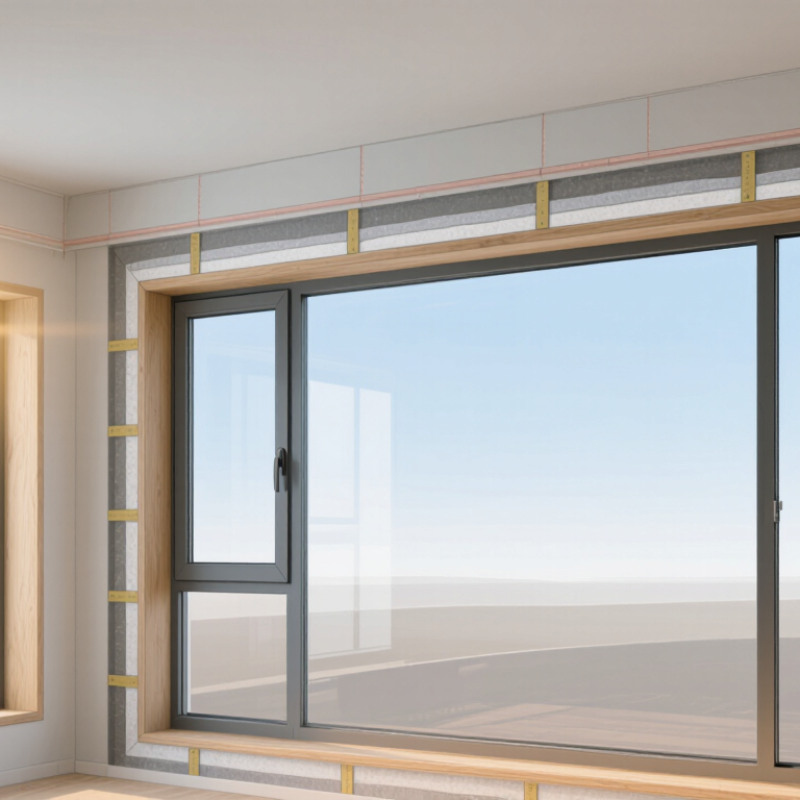
In real installations, I have seen a strong window perform poorly because the rough opening was uneven or the flashing was incomplete. That detail is easy to miss.

I would inspect the perimeter seal, drainage path, and interior condensation after the first cold season. Test data is valuable, but a laboratory cannot fully reproduce every wall, wind exposure, or installation mistake.

Key Features to Compare in High-Performance Picture Windows

10 Best Picture Windows for Energy Efficiency?

Key Features to Compare in High-Performance Picture Windows

A high-performance picture window should do more than provide a wide outdoor view. Its glass, frame, and installation details all affect energy use. Start by checking the U-factor, which measures heat transfer. Lower values usually indicate better insulation. The solar heat gain coefficient also matters, especially in sunny rooms. A lower rating can reduce summer heat, while a moderate rating may help warm a cold-facing space.

Look for double or triple glazing with low-emissivity coatings and insulated gas between the panes. Warm-edge spacers can reduce heat loss around the glass perimeter. The frame material deserves equal attention. Vinyl, fiberglass, and thermally improved metal frames perform differently in changing weather. Ask for certified test results, not vague claims. Installation is easy to underestimate. Even excellent glass can perform poorly when gaps remain around the opening. I have seen small sealing errors create noticeable drafts near the sill. That detail is easy to miss.

Tips: Compare U-factor, solar heat gain, visible transmittance, and air leakage ratings together. Check the window’s orientation before choosing glass. South-facing windows may need stronger solar control. North-facing windows often benefit from maximum daylight. Request a written installation plan, including flashing and perimeter sealing. Also inspect the warranty terms carefully. They may exclude problems caused by poor installation. Consider condensation resistance, too. It is not a perfect predictor, but it offers useful guidance in humid climates.

Ten Energy-Efficient Picture Window Options and Their Benefits

10 Best Picture Windows for Energy Efficiency?

Ten Energy-Efficient Picture Window Options and Their Benefits

Picture windows can brighten a room, but glass also transfers heat. The U.S. Department of Energy reports that windows cause about 25–30% of household heating and cooling energy use. NFRC labels make comparison easier. Lower U-factor slows heat loss, while suitable solar heat gain coefficient (SHGC) controls sunlight.

Ten practical options deserve attention:

1) double-pane low-emissivity glass reduces radiant heat transfer;

2) triple-pane low-e glass improves insulation in cold climates;

3) argon-filled cavities add affordable thermal resistance;

4) krypton-filled cavities suit narrow gaps;

5) warm-edge spacers reduce edge condensation;

6) insulated fiberglass frames limit conductive loss;

7) composite frames resist weather and frame movement;

8) low-SHGC glass reduces summer overheating;

9) higher-SHGC glass supports useful winter solar gain;

10) laminated glass improves comfort, durability, and noise control.

The International Energy Agency identifies building efficiency as a major path to lower energy demand. Still, the best option depends on orientation, climate, shading, and wall insulation. A low-SHGC window on a shaded northern wall may waste money. I have seen attractive specifications perform poorly when installation leaves gaps around the frame. Sealant, flashing, and accurate sizing matter. No window is perfect. Even triple glazing can disappoint when sunlight enters an unshaded west-facing room. Check NFRC ratings, local heating data, and condensation risk before choosing.

How Window Materials and Glass Affect Thermal Performance

10 Best Picture Windows for Energy Efficiency?

A picture window can brighten a room, but its large glass area also invites heat gain and heat loss. Window materials and glass coatings strongly affect thermal performance. Fiberglass and insulated vinyl frames usually resist temperature changes better than basic metal frames. Wood frames can perform well, though they need regular sealing against moisture. A poorly sealed frame can waste energy despite excellent glass.

Look for a low U-factor in cold climates, because it indicates better insulation. In hot, sunny regions, a lower solar heat gain coefficient may matter more. Double-pane glass is common, while triple-pane units can reduce indoor heat loss further. Low-emissivity coatings reflect infrared energy without blocking much daylight. Gas-filled spaces between panes may improve insulation, but damaged seals can cause fogging. That detail is easy to overlook.

Tips: Compare U-factor and solar heat gain coefficient, not just appearance. Ask for the whole-window rating, including the frame. Check whether the installer uses continuous air sealing around the opening. A beautiful window with a leaky edge still performs poorly. Inspect the sill after heavy rain. Condensation is not always a defect, but repeated moisture deserves attention. Local climate, wall orientation, and interior shades also influence results. My practical mistake was focusing too heavily on the glass package and underestimating installation quality.

10 Best Picture Window Configurations for Energy Efficiency

Representative whole-window U-factor estimates for common frame and glazing combinations. Lower U-factor means better resistance to heat flow and improved thermal performance.

Values are representative design estimates in Btu/h·ft²·°F. Actual performance varies with window size, spacer technology, frame geometry, gas fill, installation, and certification testing. Low-emissivity coatings, multiple glazing layers, and insulating frames generally reduce U-factor.

How to Choose the Best Picture Window for Your Climate and Home

10 Best Picture Windows for Energy Efficiency?

Choosing an energy-efficient picture window starts with your climate, not its appearance. Start with climate. In cold regions, select low U-factor glass and insulated frames to reduce indoor heat loss. In hot regions, a lower solar heat gain coefficient can limit afternoon heat. South- and west-facing windows usually need more solar control than shaded north-facing windows.

Your home’s design matters too. A large window can brighten a dark living room, but it may also create glare and summer overheating. Double glazing suits many moderate climates, while triple glazing may help in severe winters. Low-emissivity coatings, warm-edge spacers, and tight weather seals improve performance. Ask for tested U-factor and SHGC values, rather than trusting vague efficiency claims. That evidence matters.

Installation can decide whether the window performs well. Check wall depth, drainage paths, and the surrounding insulation before ordering. A skilled installer should flash the opening carefully and prevent air leakage around the frame. I once focused too much on glass ratings and overlooked exterior shade; the room still became uncomfortably warm. A perfect window does not exist. Recheck local energy codes, condensation risks, and ventilation needs. Measure twice. A well-sized picture window, matched to orientation and climate, often delivers better comfort than the most expensive option.

Enquire Today

"*" indicates required fields