China Top 10 Ink Rub Resistance Tester Suppliers?
Reliable ink performance is becoming harder to verify as packaging, labels, and commercial printing move across substrates. A tiny smear on a carton can weaken a brand’s appearance, confuse barcode reading, or trigger costly rework. This is where an Ink Rub Resistance Tester becomes practical. It simulates repeated rubbing under controlled pressure, speed, and stroke length. The result is more useful than a quick fingertip check.
Industry reports support this need. Smithers’ The Future of Global Printing to 2029 highlights continuing quality demands in packaging and label production. Grand View Research’s packaging printing studies also point to stronger automation and stricter inspection across global converting operations. These trends make laboratory testing equipment increasingly important for Chinese manufacturers and exporters. However, published market estimates use different definitions, so direct comparisons can be imperfect.
This guide examines China’s top 10 Ink Rub Resistance Tester suppliers through engineering experience, product consistency, calibration support, and customer service. It considers details that matter on the factory floor: stable clamping, readable digital controls, repeatable loads, and replacement parts that arrive on time. Supplier documentation also matters. A polished website is not proof of dependable testing.
No ranking is flawless. Buyer requirements vary.
Some laboratories need basic dry-rub testing. Others require wet-rub methods, customized fixtures, or software records for audits. The selected companies are therefore discussed with practical context, not promotional certainty. Their capabilities should still be checked against relevant ISO, ASTM, or customer-specific procedures before purchase.
What Is an Ink Rub Resistance Tester?
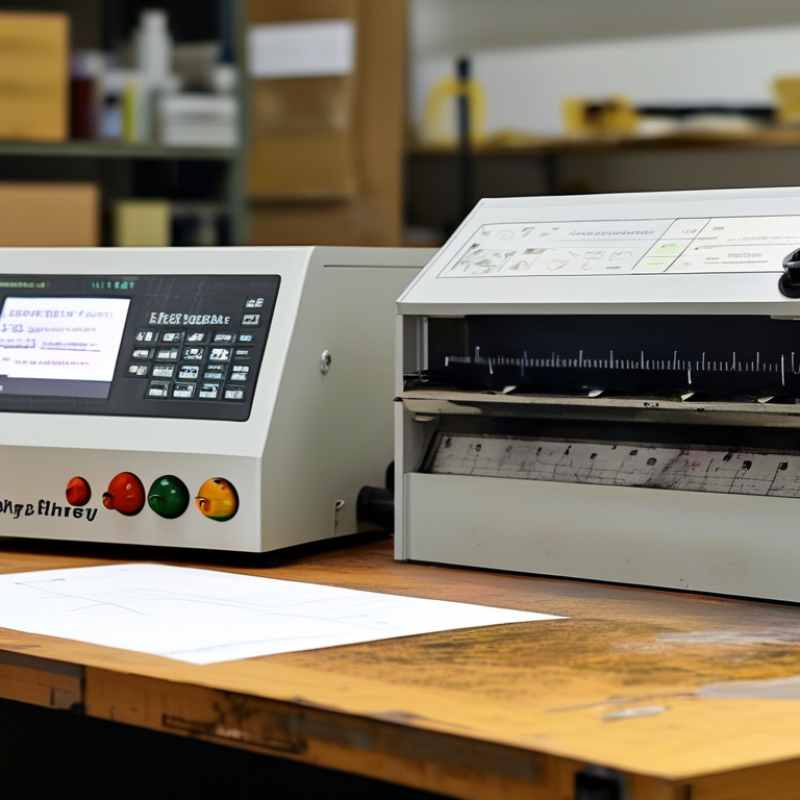
An ink rub resistance tester measures how well printed ink withstands repeated friction. A weighted pad moves across the printed surface under controlled pressure and speed. The test can reveal scuffing, ink transfer, color loss, or gloss damage. It resembles a small, repeatable rubbing motion on a package shelf.
ASTM D5264 and ISO 18947 describe recognized approaches for evaluating printed-material abrasion. Operators usually record stroke numbers, applied load, rubbing speed, and visible damage. Some laboratories also measure transferred ink by mass or optical density. A good test report identifies substrate, ink type, drying time, and conditioning humidity. Otherwise, the result may look precise but remain difficult to compare.
The need is substantial. A 2024 Smithers forecast valued the global packaging market at approximately 1.2 trillion US dollars in 2023, with continued growth expected through 2028. Grand View Research estimated the global printing inks market at about 20.57 billion US dollars in 2023. These figures explain why small surface defects can create expensive waste. The tester is not a complete quality verdict. I still question results taken after only one drying period. Paper moisture, coating texture, and curing conditions can change the outcome. Even careful testing has limits.
How Ink Rub Resistance Testing Works
Ink rub resistance testing measures how well printed ink withstands friction during handling, stacking, and transport. In daily laboratory work, the process starts with a fully dried printed sample. Drying time matters because fresh ink can produce misleadingly weak results.
The sample is placed beneath a white reference sheet inside the tester. A controlled weight presses both surfaces together. The machine then moves the sheet through a fixed number of rubbing cycles. Many laboratories test dry rubbing and wet rubbing separately. After testing, technicians inspect ink transfer, scuffing, color loss, and surface damage. A gray mark on the reference sheet often reveals problems that are difficult to see on the original print.
Small details affect reliability. Paper texture, ink coverage, pressure, stroke speed, and conditioning temperature should remain consistent. Even one poorly aligned sample can distort the result. That happens more often than people admit. Operators should record cycle counts, load settings, sample age, and visible changes with photographs. A calibrated instrument and clear operating procedure make results easier to compare between laboratories. When reviewing China’s top ink rub resistance tester suppliers, buyers should examine calibration records, repeatability data, testing support, and spare-part availability rather than relying only on advertised specifications. The test is simple in principle, but real production surfaces are rarely perfect.
Key Features of China’s Top 10 Suppliers
China’s leading ink rub resistance tester suppliers typically compete through precision, customization, and practical service. Their machines often use adjustable rubbing pressure, controlled stroke length, and repeatable testing speeds. These features help printers compare ink adhesion on coated paper, labels, cartons, and plastic films.
The strongest suppliers provide digital counters, emergency stops, clear touchscreens, and stable metal frames. Many also support custom fixtures for unusual sample sizes. Reliable manufacturers explain calibration procedures and provide inspection records before shipment. Some offer remote troubleshooting, spare parts, and operator training. However, a polished brochure is not proof. Buyers should request test videos, sample data, and factory quality records. No supplier is perfect, and software details may still need improvement.
Tips: Compare calibration certificates, pressure accuracy, motor stability, and warranty response time. Ask for a live demonstration using your own printed samples. Check whether replacement parts remain available after several years. A low price can be attractive, but inconsistent rubbing force may produce misleading results. Personally, I would also inspect the sample clamp; small movement there can affect the final reading.
China Top 10 Ink Rub Resistance Tester Suppliers? - Key Features of China’s Top 10 Suppliers
| Rank | Supplier Profile | Primary Product Focus | Rub Stroke | Stroke Speed | Standard Load | Counter Range | Applicable Standards | Key Features | Typical Application |
| 1 | Supplier Profile 01 | Motorized ink rub testers | 60 mm | 21–85 cycles/min | 20 N | 1–999,999 | ISO 2836; TAPPI T830; ASTM D5264 | Digital counter, adjustable speed, programmable test cycles, safety cover | Packaging print |
| 2 | Supplier Profile 02 | Laboratory abrasion testers | 60 mm | 20–80 cycles/min | 20 N | 0–999,999 | ISO 2836; ASTM D5264 | Touch-button control, rigid metal frame, replaceable rubbing pads | Commercial printing |
| 3 | Supplier Profile 03 | Paper and board rub testers | 100 mm | 43 cycles/min | 20 N | 1–999,999 | ISO 2836; TAPPI T830 | Long-stroke testing, clear specimen platform, easy calibration access | Paperboard cartons |
| 4 | Supplier Profile 04 | Compact quality-control testers | 60 mm | 60 cycles/min | 20 N | 1–999,999 | ASTM D5264; ISO 2836 | Small footprint, LED display, low-noise drive system, quick setup | Inks and labels |
| 5 | Supplier Profile 05 | Universal print durability testers | 60 mm | 20–100 cycles/min | 20 N | 0–999,999 | ISO 2836; ASTM D5264; TAPPI T830 | Variable speed, interchangeable weights, test-data export, operator password control | Flexible packaging |
| 6 | Supplier Profile 06 | Ink-film and coating testers | 100 mm | 43 cycles/min | 20 N | 1–999,999 | ISO 2836; ASTM D5264 | Controlled reciprocating motion, flat sample holder, replaceable felt or paper media | Coated substrates |
| 7 | Supplier Profile 07 | Export-oriented testing equipment | 60 mm | 21–85 cycles/min | 20 N | 1–999,999 | ISO 2836; ASTM D5264 | Multilingual documentation, 110/220 V options, export packaging, remote support | Global laboratories |
| 8 | Supplier Profile 08 | Customizable rub-resistance systems | 60–100 mm | 20–100 cycles/min | 5–20 N | 0–999,999 | ISO 2836; ASTM D5264; customer methods | Adjustable load, custom fixtures, bespoke software settings, engineering support | Specialty materials |
| 9 | Supplier Profile 09 | Entry-level ink durability testers | 60 mm | 60 cycles/min | 20 N | 1–999,999 | ASTM D5264; ISO 2836 | Straightforward controls, economical construction, compact bench-top design | Educational testing |
| 10 | Supplier Profile 10 | Integrated print-testing solutions | 60 mm | 20–85 cycles/min | 20 N | 0–999,999 | ISO 2836; TAPPI T830; ASTM D5264 | Ink-rub testing accessories, sample cutting tools, calibration service, after-sales training | Packaging laboratories |
Note: Specifications shown are representative configurations commonly offered for laboratory ink rub resistance testing. Actual specifications, compliance documentation, voltage, accessories, and calibration options should be confirmed with each supplier before purchase.
How to Compare Ink Rub Resistance Tester Suppliers
When comparing China’s top 10 ink rub resistance tester suppliers, look beyond catalog photos and low prices. A reliable supplier should explain the tester’s rubbing load, stroke length, speed range, and counter accuracy. Ask for calibration records with traceable references. Request a live demonstration using printed samples similar to yours. Paper, film, and coated cartons can produce very different results.
Check whether the supplier understands recognized testing methods and can provide clear operating instructions. Experienced technical staff should help you select test weights, rubbing materials, and conditioning time. Service quality matters too. Confirm spare-part availability, software support, training, and response times before purchasing. Ask for inspection records, packaging details, and realistic delivery dates. A polished website proves little.
Do not compare only the first quotation. Compare the total cost of ownership. A cheaper tester may need frequent recalibration or create inconsistent readings. That risk can distort production decisions. Still, supplier claims should not be accepted blindly. Test the same ink sample on several shortlisted machines and compare repeatability. One trial is not enough. I would also record operator feedback after repeated use, because awkward fixtures often cause practical errors. Some suppliers may provide excellent documentation but weak after-sales support. Others may offer fast replies without deep testing knowledge. That difference becomes clear only after detailed questions and evidence-based checks.
How to Compare Ink Rub Resistance Tester Suppliers
Use these practical evaluation dimensions when comparing suppliers of ink rub resistance testers. The percentages represent an indicative purchasing-weight model rather than company or brand rankings.
Test-standard compliance and measurement repeatability are given the highest weights because they directly affect the reliability and comparability of rub-resistance results. Buyers should confirm applicable standards, calibration records, load control, stroke settings, sample compatibility, and after-sales support before making a purchase.
What to Check Before Choosing a Chinese Supplier
When choosing among China’s top ink rub resistance tester suppliers, inspect the test method before the sales pitch. Ask whether the machine follows a recognized standard, such as ASTM or ISO procedures relevant to your ink and substrate. Confirm stroke length, rubbing pressure, speed, counter accuracy, and sample size. Small differences can change results. Details matter. Request a calibration certificate with traceable equipment, not a generic PDF. Check the certificate number, issue date, and calibration range.
A credible supplier should explain how its technicians assemble, inspect, and adjust each unit. Ask for factory inspection records, wiring photographs, and a live demonstration using your printed samples. A polished video is not enough. Request raw test data, including force, cycles, and failure observations. Compare three samples from different production batches. Inconsistent readings deserve questions. I would also examine the control panel, emergency stop, fixture stability, and motor noise during a long run. These practical details often reveal more than a catalog.
Before paying, clarify warranty coverage, spare parts, software updates, training, and response time. Confirm voltage, plug type, packaging protection, and delivery documents in writing. Speak with recent customers if possible, especially those testing coated paper, film, or flexible packaging. Be cautious when the supplier refuses a sample trial or avoids technical questions. A cheap instrument may become expensive after one failed shipment. I still leave room for doubt; even a successful demonstration cannot prove long-term durability. Ask for a signed pre-shipment checklist and keep acceptance criteria measurable.