
China Top Adhesive Sealant Suppliers for Global Buyers?

Choosing reliable China-based suppliers requires more than comparing quotations. Global buyers need to assess product consistency, technical support, production capacity, and export communication. Adhesive Sealant products can vary widely in chemistry, curing behavior, packaging, and intended use. A sealant suited to indoor joints may not perform well under outdoor exposure or repeated movement.

This guide explains practical ways to evaluate suppliers before placing an order. Buyers can review technical data sheets, request recent samples, and confirm whether stated test results match the intended application. Ask about batch traceability, quality checks, lead times, and available packaging sizes. Where certifications matter, verify their scope and validity rather than relying on a logo in a brochure. Small details count.

Price alone rarely tells the full story. Freight, minimum order quantities, sample fees, and after-sales support can change the true cost. A responsive sales contact is useful, but written specifications and clear acceptance criteria matter more. Factory visits or independent audits may provide additional insight when order value and risk justify them. No supplier is perfect. Even careful checks have limits, and sample performance cannot guarantee every future batch.

The following sections offer a structured starting point for comparing potential partners, asking informed questions, and reducing avoidable sourcing surprises. They do not replace application testing or professional technical advice. Buyers should match each product to their operating conditions and confirm requirements with the supplier before committing to larger volumes.
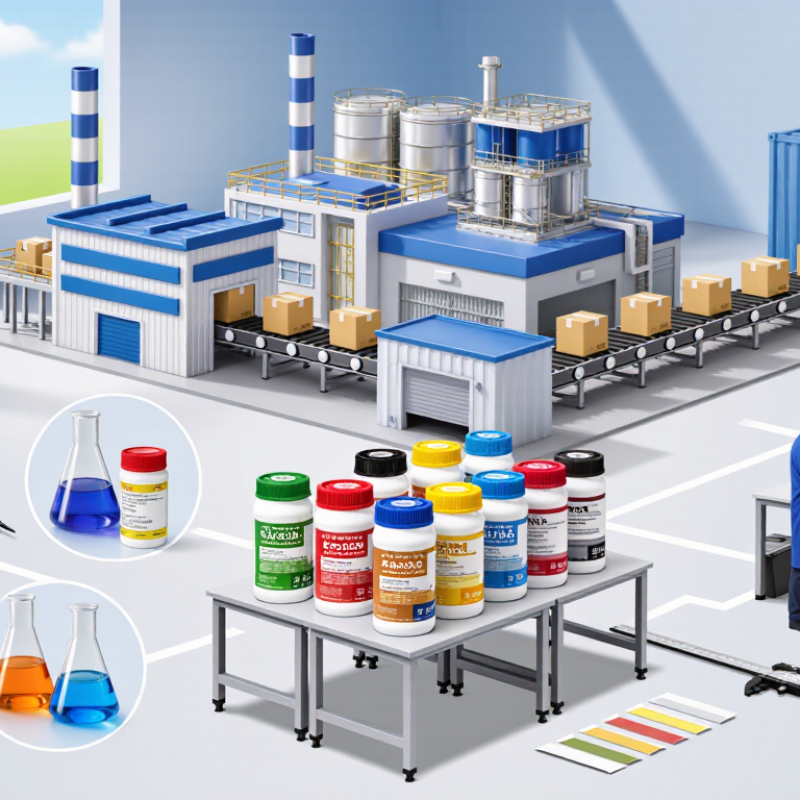
China Top Adhesive Sealant Suppliers for Global Buyers?

What Adhesive Sealants Are and Where They Are Used

Adhesive sealants are materials that join surfaces, block gaps, or do both. Adhesives focus on holding two materials together; sealants mainly prevent water, air, dust, or noise from passing through joints. In practice, the line can blur. Some products bond firmly while allowing limited movement as temperatures change.

That distinction matters. A window frame needs a flexible seal around its edges, while a layered panel may need an adhesive bond across a wider surface. Grand View Research estimated the global adhesives and sealants market at US$75.3 billion in 2023 and forecast a 4.8% compound annual growth rate through 2030. This figure covers both categories, not sealants alone, so it should not be read as a sealant-only market estimate.

These materials appear in building joints, vehicle assemblies, packaging, appliances, and electronics. On a building site, a sealant may fill the narrow gap between a window and masonry. In a vehicle, an adhesive can help hold interior panels while reducing vibration. Surface preparation matters: dust, oil, or moisture can weaken performance. Small detail, big consequence. Cure time and joint movement also vary by formulation, so a product suited to a dry indoor seam may not suit an exposed exterior joint. Even familiar applications deserve a check.

China Top Adhesive Sealant Suppliers for Global Buyers? — What Adhesive Sealants Are and Where They Are Used

ASTM C920 movement classes indicate how much a tested elastomeric joint sealant can stretch and compress. Higher movement capability is useful where joints experience greater movement, such as building façades and window perimeters.

Values show the extension percentage in each ASTM C920 class designation. Class 100/50 allows 100% extension and 50% compression; the other listed classes specify equal extension and compression capability. ASTM C920 classifications apply to elastomeric joint sealants, not every adhesive or sealant product.

How China’s Adhesive Sealant Supplier Market Is Organized

China’s adhesive sealant supplier market is organized less like one uniform industry and more like a chain of specialized roles. Some factories formulate products and manage production in-house. Others focus on a narrower range, such as silicone sealants, polyurethane products, or construction adhesives. Trading and export companies may coordinate several factories, handle documentation, and consolidate orders. That distinction matters. A supplier’s website may look broad, while its actual production scope is quite focused.

Buyers can also sort suppliers by application and sales channel. Construction products, automotive assembly materials, and industrial bonding each require different performance checks. A purchasing team should ask for technical data sheets, safety information, test methods, and batch traceability. Requesting samples in the intended packaging can reveal practical issues: a cartridge may dispense unevenly, or a sealant may cure differently in humid conditions. Details can vary. Export-oriented suppliers often support private-label packaging and container planning, but those services do not prove manufacturing capability. A factory visit or a live production review can help clarify who controls formulation, testing, and quality records. I would not rely on price alone; low quotations sometimes leave packaging, testing, or after-sales support unclear. Supplier categories overlap, and the labels are not always precise.

Which Supplier Types Serve Global Buyers

Global buyers typically work with three supplier types: direct manufacturers, contract or private-label producers, and export distributors. Direct manufacturers make products such as silicone sealants, epoxy adhesives, or hot-melt compounds in their own facilities. Buyers can discuss formulation, packaging, and production schedules with technical staff. This route works well for repeat orders. However, factory access alone does not guarantee consistent batches.

Contract producers manufacture to a buyer’s specification, sometimes using customer-provided packaging or labels. They can help companies test a product range without building production capacity. Export distributors, meanwhile, may combine products from several factories and manage samples, documentation, and mixed shipments. Convenient, but less direct. The categories blur in practice, so buyers should ask who controls formulation changes and final inspection.

Grand View Research valued the global adhesives market at USD 72.8 billion in 2023 and forecast a 5.1% compound annual growth rate from 2024 to 2030. That figure signals a large, varied market, not proof that any one supplier is suitable. Buyers should compare technical data sheets, safety documentation, batch records, and sample performance under real conditions, such as a sealant bead exposed to moisture or temperature shifts. One detail is easy to miss: a low sample price says little about long-term batch consistency.

What Products, Standards, and Services to Compare

When comparing adhesive sealant suppliers, start with the product’s job, not its catalogue description. Silicone, polyurethane, acrylic, and hybrid sealants behave differently across glass, concrete, metal, and painted surfaces. Ask for guidance on movement, cure time, temperature range, and exposure to water or cleaning chemicals. A bead around a window may need flexibility, while a bonded panel may need stronger initial grip. Fit matters.

Request recent test reports and technical data sheets for the exact product grade. Check which standards or test methods apply to your intended use and destination market; a certificate for one application may not cover another. Compare adhesion results, aging performance, and batch consistency, not just a headline claim. The paperwork can look tidy. The details matter more.

Service is part of the comparison. Ask whether suppliers can provide samples, matching colors, clear application instructions, and stable packaging for your shipment size. Confirm lead times, minimum orders, quality checks, and how they handle a batch concern. Good technical support should answer specific questions, such as whether a primer is needed on dusty masonry. It will not always be perfect. Test a small area first, because real substrates and jobsite conditions can expose gaps that a datasheet does not.

China Top Adhesive Sealant Suppliers for Global Buyers? - What Products, Standards, and Services to Compare

Product family Typical applications Properties to compare Relevant standards or tests Buyer checks Services to confirm
Silicone sealants Building joints, glazing, sanitary areas, and weather sealing; formulation determines suitability. Movement capability, adhesion to specified substrates, cure type, temperature range, and resistance to weathering or moisture. ASTM C920; ISO 11600; EN 15651; ASTM C719 for cyclic movement testing. Applicability depends on product and intended use. Request technical data for the exact grade and substrates; check whether primer is required and whether the product is suitable for the intended exposure. Substrate guidance, application instructions, sample evaluation, and export packaging options.
Polyurethane sealants Construction and concrete joints, flooring joints, and other applications specified by the product manufacturer. Elastic recovery, movement rating, adhesion, cure time, paintability, and resistance to the chemicals or weather conditions in service. ASTM C920; ISO 11600; EN 15651; ASTM C719. Confirm the claimed class and test scope for the specific grade. Check substrate moisture limits, joint design guidance, cure conditions, and any restrictions for potable-water or food-contact use. Joint-design support, application recommendations, batch documentation, and technical response arrangements.
Silyl-modified polymer (MS polymer) sealants and adhesives Construction sealing and bonding applications where the selected formulation is compatible with the substrates and exposure. Adhesion, elasticity, paintability, cure speed, and resistance to UV, water, or temperature changes as specified for the grade. Use relevant application standards such as EN 15651 or ISO 11600 when the product falls within their scope; request test methods and reports for other claims. Verify compatibility with plastics, metals, coatings, and natural stone; request evidence for specific performance claims. Compatibility testing guidance, application trials, and technical data in the required language.
Epoxy adhesives Structural or industrial bonding of suitable metals, composites, ceramics, and other materials, depending on formulation. Mix ratio, working life, cure schedule, lap-shear strength, temperature performance, and chemical resistance. ISO 4587 and ASTM D1002 are commonly used for comparative tensile lap-shear testing of adhesive-bonded specimens; test conditions affect results. Confirm surface preparation, mixing and dispensing requirements, cure conditions, and whether reported strength values match the intended substrates. Bond-line design advice, sample testing, dispensing guidance, and shelf-life documentation.
Cyanoacrylate adhesives Fast assembly and small-area bonding of compatible materials in manufacturing and maintenance. Fixture time, viscosity, gap-filling ability, substrate compatibility, and resistance to heat, impact, or moisture. Compare supplier test methods and application-specific results; verify any claimed industry or regulatory requirements against the target market. Check blooming, surface sensitivity, storage conditions, safety data, and suitability for the exact materials being bonded. Material compatibility advice, sample quantities, and storage and handling instructions.
Hot-melt adhesives Packaging, assembly, woodworking, and product construction using equipment designed for hot-melt application. Open time, set time, viscosity at application temperature, bond strength, and heat resistance in service. Request the supplier’s test methods and performance data for the intended substrate, application temperature, and operating conditions. Confirm equipment compatibility, operating temperature, feed format, and safe handling requirements. Machine-setting recommendations, trial support, and packaging-format options.
Quality, documentation, and export readiness Relevant across product families and destination markets. Batch consistency, traceability, change control, packaging integrity, and agreed inspection criteria. ISO 9001 concerns quality-management systems; ISO 14001 concerns environmental-management systems. Certification should be verified for the relevant site and scope. Request current certificates, technical data sheets, safety data sheets, certificates of analysis where available, and test reports for the exact product and production site. Confirm sample lead time, minimum order quantity, production lead time, private-label options, export documents, and after-sales response process.

Note: Standards and test methods are examples for comparison, not a universal certification checklist. Confirm the applicable edition, product scope, destination-market rules, and test conditions for each product.

How to Evaluate and Verify Chinese Suppliers

For global buyers, evaluating Chinese adhesive and sealant suppliers means checking evidence, not just polished catalogs. MarketsandMarkets estimated the global adhesives and sealants market at USD 68.6 billion in 2023, with a projected USD 85.5 billion by 2028. That growth makes supplier claims harder to compare, not easier.

Ask for a current quality-management certificate, product technical data sheet, safety data sheet, and recent batch test results. Confirm that the certificate covers the actual manufacturing site. A certificate alone does not prove that a sealant will bond to your substrate.

Request samples from a production batch, then test them using your real materials and curing conditions. Record surface preparation, temperature, humidity, cure time, and bond strength; a small change can alter results.

Check whether the supplier can trace a sample back to its batch and explain how defects are handled. Check the batch. Compare test values with the agreed specification, not a verbal promise.

An independent laboratory can verify key properties when a shipment carries meaningful risk. Video calls and factory audits help, but neither replaces repeatable test data.

I would also ask for references from comparable applications; they may be difficult to obtain, and that gap deserves attention. A low quote can still cost more after rework.

Enquire Today

"*" indicates required fields