How to Choose the Best Artificial Lift Technologies for Oil Wells?
In the oil and gas industry, choosing the right Artificial Lift Technologies is crucial for optimizing production. According to a recent report by the International Energy Agency, Artificial Lift Systems account for more than 90% of oil production in mature fields. These technologies enhance the flow of fluids from wells, especially when pressure declines.
There are various options, such as electric submersible pumps and gas lift systems. Each comes with its own set of advantages and challenges. A 2022 market analysis showed that selecting the wrong system can lead to increased operational costs and reduced efficiency. Understanding the specific needs of each well is vital.
However, the decision-making process may not be straightforward. Factors like well depth, fluid characteristics, and economic constraints complicate choices. Companies often struggle with balancing efficiency and cost-effectiveness. Investing in thorough analysis and planning can create a significant impact on overall productivity. Thoughtful consideration of Artificial Lift Technologies can ultimately lead to more successful operations.
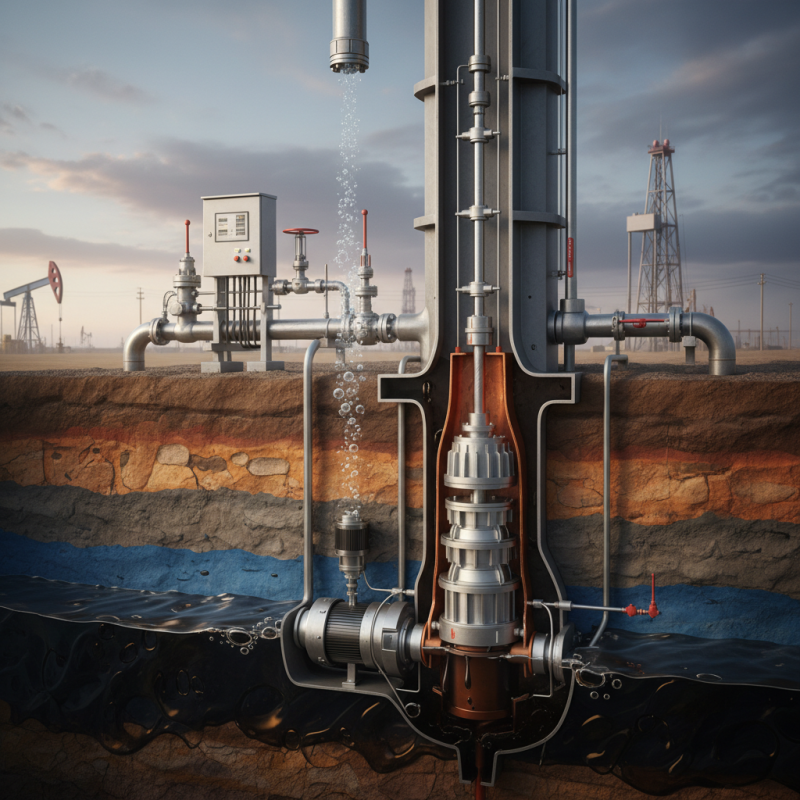
Understanding Artificial Lift Technologies: An Overview
Artificial lift technologies are crucial in enhancing oil production from wells. They help lift fluids like oil and gas to the surface when natural pressure is insufficient. Various methods exist, including rod pumping, gas lift, and electric submersible pumps. Understanding these technologies helps operators select the right one for their specific needs.
Tip: Analyze well conditions. Factors like depth, fluid characteristics, and production rates are vital. Ensure that the chosen method matches these parameters to optimize efficiency.
Monitoring performance is key. Regular checks can reveal inefficiencies or equipment wear. This helps in making necessary adjustments early on.
Tip: Keep an eye on costs. Some technologies may seem effective upfront but could lead to high operational costs. It's essential to balance initial investment with long-term benefits.
Factors Influencing the Choice of Artificial Lift Systems
Choosing the right artificial lift technology for oil wells is critical. Various factors can influence this decision. Understanding these factors helps optimize production and efficiency.
Well depth is a major consideration. Deeper wells often require different lifts compared to shallow ones. According to recent industry data, more than 70% of production comes from wells exceeding 2,500 meters. The pump's capacity must match this depth. Additionally, fluid properties play a vital role. Wells with heavy oil may require specific technologies, as they have different viscosity levels.
TIP: Always evaluate the fluid type before selecting a lift system.
Economic factors also matter. The cost of installation versus expected production rates is paramount. A report indicated that losing even 5% of production can be costly. Environmental regulations should not be overlooked. They can impact technology choices as well. Some systems might comply with regulations better than others.
TIP: Regularly revisit your economic analysis, as market conditions can change.
Comparative Analysis of Common Artificial Lift Methods
When considering artificial lift technologies for oil wells, it's essential to understand the common methods available. Each method has its strengths and weaknesses. For example, rod pumps are reliable but may struggle with high-viscosity fluids. In contrast, electric submersible pumps (ESPs) handle varying flow rates well but require significant maintenance.
Tips: Evaluate the specific conditions of your well. Factors like depth, fluid properties, and production rates are crucial for choosing the right technology. Don't overlook the potential for issues. For instance, a well-suited artificial lift may initially perform well, but changes in reservoir behavior can create challenges later.
Another popular method is gas lift, which is effective for wells with limited liquid production. It requires careful management of gas injection rates. Keep in mind that while gas lift systems are flexible, they may not be suitable for all reservoirs. Monitor key performance metrics closely. This practice helps identify when adjustments are necessary.
Tips: Testing under varying conditions can reveal weaknesses. Always be prepared to adapt your strategy. If a chosen method leads to unexpected downtime, analyze the system's design and operational efficiency. Don't shy away from evolving your approach based on real performance data. This willingness to reflect can lead to better outcomes in the long term.
Evaluating Well Characteristics for Optimal Lift Selection
When selecting artificial lift technologies for oil wells, well characteristics play a crucial role. Each well presents unique challenges. Factors such as depth, production rate, viscosity, and reservoir pressure need consideration. After all, a lift system should accommodate these specific attributes. It is essential to analyze these characteristics in detail. Without this analysis, one might overlook critical factors.
Depth significantly influences lift technology choice. Deeper wells may require more robust systems, while shallower ones might be suited for simpler technologies. Production rates tell us how much oil flows. High rates may need complex systems to maintain efficiency. Conversely, low production rates may suggest a more straightforward approach. Reservoir pressure can complicate matters. High pressure might necessitate more advanced technologies for optimal performance.
Consider the fluid's viscosity too. Thick fluids present specific challenges, demanding specialized solutions. A one-size-fits-all strategy can lead to inefficiencies. Additionally, it's crucial to reassess these choices regularly. Well conditions change over time, often leading to the necessity for adjustments. Reflection and evaluation can reveal overlooked aspects, ensuring the selected technology remains effective. Ignoring these elements can lead to suboptimal production and increased costs.
Cost-Benefit Assessment of Artificial Lift Technologies
When assessing the cost-benefit of artificial lift technologies, it’s essential to consider various factors. Each technology has distinct advantages and drawbacks. The choice depends on well conditions and production goals. For instance, gas lift can enhance flow in specific reservoirs. However, it might not suit all environments. Pumping systems are often more reliable but can incur higher operational costs.
Tips: Evaluate the specific needs of your well. Analyze reservoir characteristics closely. Consider the lifespan and maintenance required for each technology. These factors significantly influence your costs over time.
Another crucial aspect is the initial investment versus the potential output gains. High upfront costs may deter some operators. Yet, long-term productivity can justify these expenses. It’s essential to assess not just immediate returns but also prolonged viability. Take time to model different scenarios. It’s surprising how costs can change with various conditions.
Tips: Use simulation tools. Predict different lifting methods’ efficiency. Don’t overlook the impact of local market fluctuations. Always stay flexible and ready to pivot. The oil industry is volatile, and adaptability can lead to better decisions.