How to Choose the Best Watertight Metal Box for Your Needs?
Choosing the right Watertight Metal Box is essential for various applications. Whether for outdoor storage, industrial use, or securing sensitive equipment, these boxes protect against moisture and damage. Understanding your specific needs can significantly impact your selection.
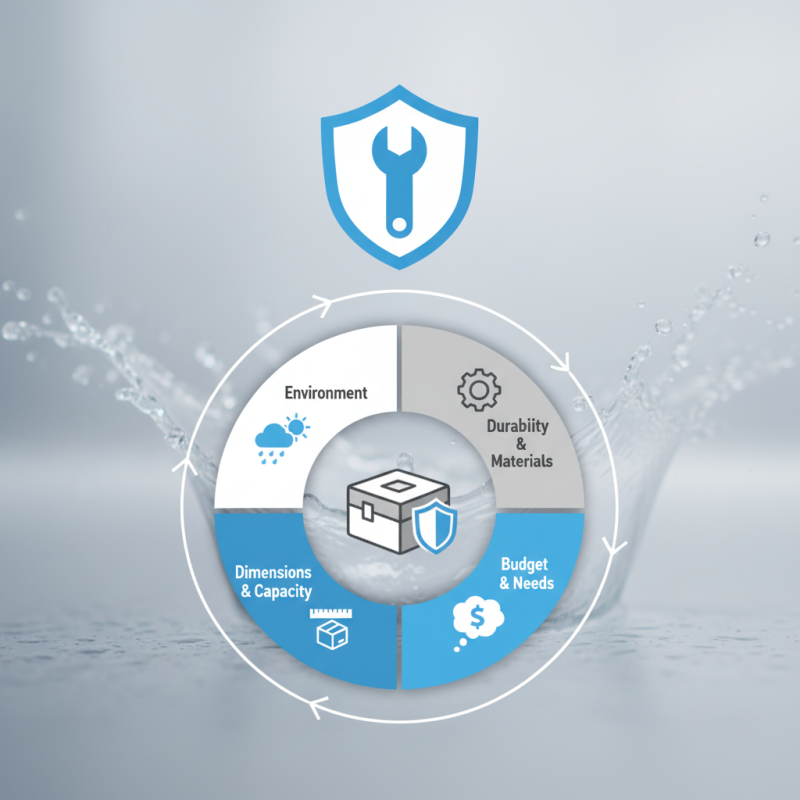
Consider the environment where the box will be used. Will it face harsh weather or extreme temperatures? Choosing a durable box made from high-quality materials is vital. Look for features like sealing gaskets and corrosion-resistant finishes. These elements improve reliability over time.
Not every box is perfect. Some options may not fit particular tools or equipment. Evaluating dimensions and weight capacity is crucial. Reflect on what you truly need and how much you're willing to invest. Mistakes in selection can lead to frustration and loss. Invest time to ensure your choice meets both practical and durability needs.
Factors to Consider When Selecting a Watertight Metal Box
When selecting a watertight metal box, several key factors come into play. Begin with understanding the box's intended use. Consider where it will be placed and what it will hold. Will it store delicate electronic equipment or protect tools from harsh environments? Identifying its primary function helps narrow down choices.
Material is another crucial factor. Many boxes are made from aluminum or stainless steel. Both materials offer excellent durability, but they differ in weight and corrosion resistance. Think about the environment in which the box will be used. A coastal area may require superior rust protection, while a lightweight option could be beneficial for frequent transport.
Don’t overlook the size and design. The box must fit your items snugly yet have enough space to accommodate future additions. Check the sealing mechanisms as well. A poor seal can lead to water damage, even in the most durable boxes. Remember, selecting the right watertight metal box is not just about protection; it's about enhancing your organizational efficiency too.
Types of Watertight Metal Boxes and Their Applications
When considering watertight metal boxes, understanding their various types is crucial. These boxes can serve multiple applications across different environments. For example, marine-grade boxes are ideal for boat storage. They resist corrosion from saltwater, enhancing durability on vessels. Industrial boxes, typically made from stainless steel, offer protection for sensitive equipment in harsh environments.
Tips for selecting the right box include assessing the environmental factors it will face. Will it be exposed to chemicals or extreme temperatures? Choosing a box with an appropriate sealing mechanism is critical. Additionally, consider the box's size and accessibility. Too small may compromise functionality, while too large can waste space.
Some users overlook the need for regular maintenance. Even the best watertight design can fail if gaskets degrade over time. Investing in a quality box means regularly checking seals for wear and tear. Ultimately, your choice should reflect both practical needs and long-term durability.
Material Options for Watertight Metal Boxes: Pros and Cons
When selecting a watertight metal box, material choice is crucial. Common options include aluminum and stainless steel. Aluminum is lightweight, making it easier to transport. It offers good corrosion resistance, suitable for humid environments. A study by the Metal Research Institute mentions that aluminum can maintain structural integrity under varying temperatures. However, aluminum may not withstand heavy loads as effectively as steel.
Stainless steel is another popular choice due to its strength and durability. It is highly resistant to corrosion, perfect for harsh conditions. According to industry data, stainless steel boxes have a longer lifespan, often exceeding 20 years with proper maintenance. On the downside, they are heavier and more expensive than aluminum.
Consider how the materials fare in real-world conditions. Some users report scratches on aluminum boxes, revealing softer inner materials. Others note that heavier stainless steel can be cumbersome for regular use. Understanding these nuances can aid in making an informed decision. Be mindful of your specific needs and environments to select the best material for your watertight box.
Understanding IP Ratings and Their Importance in Watertight Boxes
When selecting a watertight metal box, understanding IP ratings is crucial. IP stands for Ingress Protection, and it indicates how well a box can resist dust and moisture. An IP rating consists of two numbers. The first number rates protection against solid objects, while the second measures moisture resistance. For example, an IP68 rating means the box is completely dust-tight and can withstand submersion in water beyond 1 meter.
Knowing these ratings helps guide your choice. If your box will be exposed to harsh environments, opt for higher ratings. A box with an IP65 rating offers good protection against water jets. However, it might not be suitable for heavy rain or immersion. Reflect on the specific conditions you expect. Sometimes, higher-rated boxes can be overkill, leading to unnecessary costs.
Consider your actual needs. Will you be using the box outdoors in extreme weather? Or will it be sheltered? Your usage scenario directly influences the best choice. Always evaluate the balance between cost and necessary protection. A good metal box should meet your requirements without compromising reliability.
Budgeting for Your Watertight Metal Box: What to Expect
When budgeting for a watertight metal box, it's essential to understand your specific needs. Consider the box's size and usage. A larger box generally costs more. Features like locking mechanisms and durability can further influence the price. Pay attention to the materials used; stainless steel or aluminum often comes at a premium.
Reflect on the purpose of the box. Are you storing sensitive electronics or tools? Each use case may require different levels of water resistance and durability. Evaluate if you really need extreme protection. It might be tempting to choose the highest-rated options, but a medium grade might suffice for your needs.
Extra features can add to cost but may not be necessary. For example, advanced insulation or shockproofing might be irrelevant if you're using the box for low-risk storage. Assess these attributes critically to avoid overspending. Carefully balancing your budget with practical needs ensures you make a wise investment.
How to Choose the Best Watertight Metal Box for Your Needs? - Budgeting for Your Watertight Metal Box: What to Expect
| Box Type | Material | Size (inches) | Water Resistance Rating | Estimated Price ($) |
| Standard Box | Aluminum | 12 x 8 x 6 | IP67 | 50 |
| Heavy Duty Box | Steel | 16 x 12 x 10 | IP68 | 90 |
| Compact Box | Stainless Steel | 8 x 6 x 4 | IP54 | 30 |
| Portable Box | Aluminum | 10 x 8 x 5 | IP65 | 40 |