How to Choose the Right Hydraulic Flow Control Valve?
Selecting the right hydraulic flow control valve is essential for efficient fluid management in various applications. These valves regulate the flow and pressure of hydraulic fluid, ensuring the proper functioning of machinery. However, choosing the appropriate valve can be challenging due to the diverse range of options available.
Several factors influence the selection process. Understanding system requirements is crucial. Consider the flow rate and pressure specifications of your machinery. Additionally, factors like temperature, viscosity, and media compatibility play significant roles in making the right choice. Always consult technical specifications provided by manufacturers.
Take time to evaluate the various designs of hydraulic flow control valves, such as proportional, pressure-reducing, and flow control valves. Each type serves different purposes, and the wrong choice can lead to inefficiencies. Seek guidance from experienced professionals in the field, but also trust your judgment after doing thorough research. A thoughtful approach can make a significant difference in your operations.
Understanding the Basics of Hydraulic Flow Control Valves
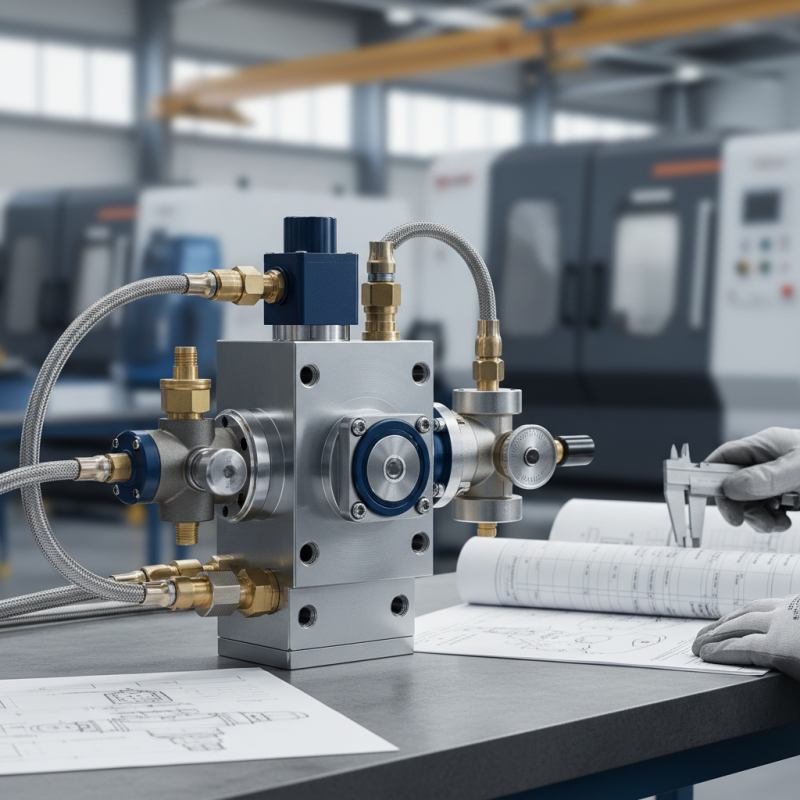
Hydraulic flow control valves play a crucial role in various applications. These valves manage the flow rate and pressure within hydraulic systems. Understanding their basics is essential for achieving optimal performance.
There are different types of hydraulic flow control valves, each serving unique functions. The most common are adjustable and fixed flow control valves. Adjustable valves offer flexibility in flow rate. This is useful when operational conditions change frequently. Fixed valves, on the other hand, are simpler and more reliable for constant flow settings.
When choosing a hydraulic flow control valve, consider the system's requirements. Assess the pressure range and the desired flow rates. It’s vital to match these specifications to the valve's capabilities. Often, overlooked factors like temperature resistance and fluid compatibility can affect performance. A misjudged choice can lead to inefficiencies and costly repairs down the line. Always weigh the options carefully to ensure a reliable and efficient hydraulic system.
Hydraulic Flow Control Valve Characteristics
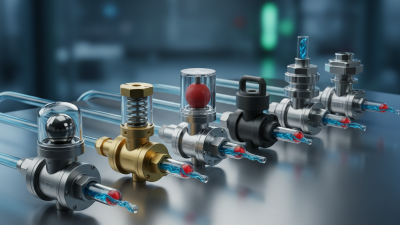
Identifying Different Types of Hydraulic Flow Control Valves
When selecting a hydraulic flow control valve, understanding the different types is crucial. Hydraulic flow control valves manage fluid flow within a system. They ensure equipment operates smoothly and efficiently. There are mainly three types:
pressure-compensated,
non-pressure compensated, and
proportional flow control valves.
Pressure-compensated valves adjust flow based on load changes. They are often more reliable in dynamic systems.
Non-pressure compensated valves provide a constant flow, regardless of pressure changes. While simpler, they can lead to inefficiencies in variable load scenarios.
Proportional flow control valves offer precise flow adjustment. These are ideal for applications needing fine control.
Choosing the right valve depends on specific application needs. Performance might vary significantly based on the selected type.
Consider factors like system pressure, flow rate, and load variations. Reflection on previous choices can inform better decisions.
Select a valve type that aligns with operational goals to ensure both function and longevity.
Key Factors to Consider When Choosing a Flow Control Valve
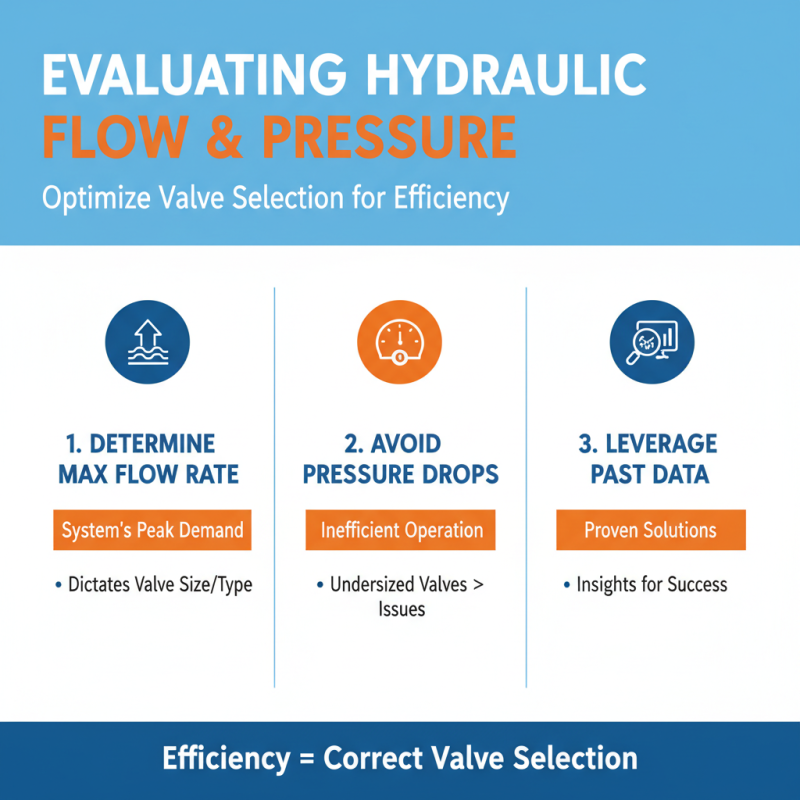
Choosing the right hydraulic flow control valve is critical for the efficiency of any hydraulic system. Several key factors should guide your decision. First, consider the flow rate requirements of your application. A valve that cannot accommodate your system's flow demand will lead to ineffective performance. Pay attention to size as well. A valve too small will restrict flow, while one that is too large may result in wasted energy.
Another important factor is the type of fluid being used. Different fluids have varying viscosities and chemical properties. Ensure that the chosen valve can handle those specific characteristics without corroding or malfunctioning. Additionally, temperature ranges should be considered. Some valves are more robust and can withstand extreme conditions, while others may falter under high heat.
Lastly, think about your operational needs. Do you require precise control or simple on/off functionality? Keep in mind that more complex valves can offer greater accuracy, but they may also come with higher maintenance needs. Reflect on your system's demands and expectations. It might be beneficial to consult industry experts to help navigate these choices. Confidence in your decision ensures a more reliable and efficient hydraulic system in the long run.
How to Choose the Right Hydraulic Flow Control Valve? - Key Factors to Consider When Choosing a Flow Control Valve
| Criteria |
Description |
Importance Level |
| Flow Capacity |
The maximum flow rate that the valve can handle. |
High |
| Pressure Rating |
The highest pressure the valve can operate under safely. |
High |
| Material |
The construction material affecting durability and compatibility. |
Medium |
| Type of Control |
Mechanical, electrical, or electronic control options. |
Medium |
| Response Time |
Time taken for the valve to respond to input signals. |
High |
| Size and Port Configuration |
Dimensions and inlet/outlet configurations must match application needs. |
High |
| Maintenance Requirements |
Frequency and ease of maintenance needed for optimal performance. |
Medium |
Maintaining and Troubleshooting Hydraulic Flow Control Valves
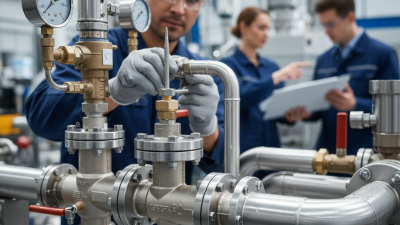
Hydraulic flow control valves play a vital role in system efficiency. Understanding how to maintain and troubleshoot these valves can prevent costly downtime. Regular maintenance is essential. Research shows that poorly functioning valves can reduce system efficiency by up to 30%. Keeping them clean and ensuring seals are intact can enhance performance.
Common issues with hydraulic flow control valves include leaking seals and variable flow rates. If seals are worn, they may cause leaks, leading to energy loss and system malfunctions. Observing abnormal behavior in your hydraulic machinery can indicate problems. For example, fluctuating flow rates often suggest valve blockages or misalignment. Regular inspection and testing can identify these issues early on, saving time and resources.
Technique for troubleshooting involves a systematic approach. Start by checking fluid levels and ensuring the valve is receiving the correct pressure. If the issue persists, disassembling the valve may be necessary. Using proper tools and techniques ensures that reassembly follows industry standards. Following best practices can significantly increase the valve's lifespan, reducing the frequency of costly replacements.