How to Choose the Best Silent Diesel Generator for Your Needs?
Choosing the right silent diesel generator can be challenging. These generators are increasingly popular due to their efficiency and low noise levels. According to a recent industry report, the global silent diesel generator market is projected to reach $8 billion by 2025, indicating a growing demand.
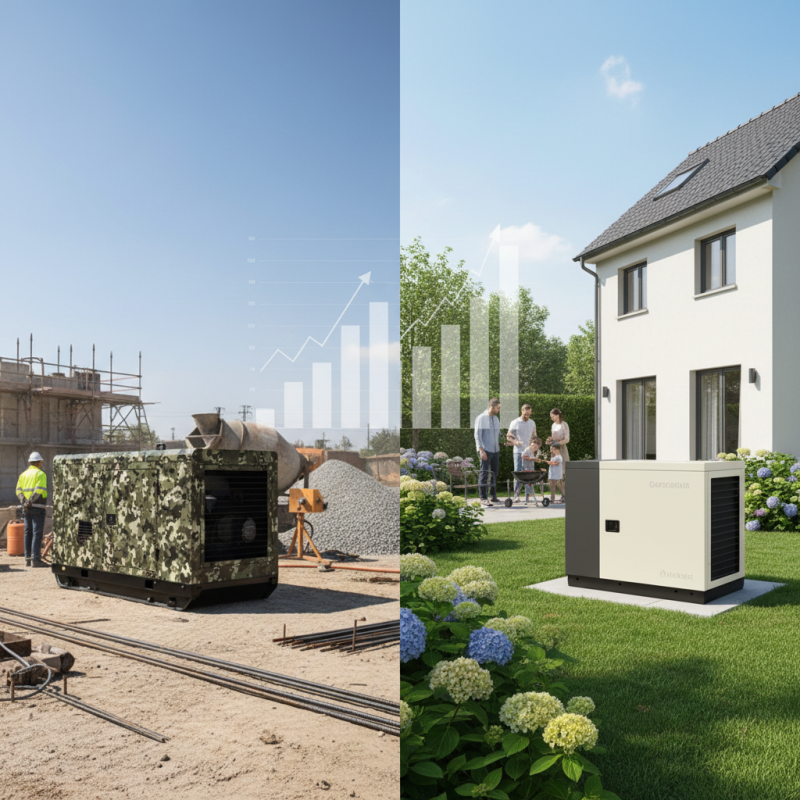
However, not every silent diesel generator will meet your specific needs. Different applications require different features. For instance, construction sites may need robust models, while residential users might prioritize energy efficiency and noise reduction. Selecting the wrong model could lead to operational inefficiencies.
Moreover, understanding fuel consumption and maintenance requirements is crucial. A poorly chosen generator can result in higher costs and more frequent breakdowns. Always consider your unique requirements when evaluating options. Reflecting on these aspects can save time and money in the long run.
Understanding Your Power Requirements for a Silent Diesel Generator
Choosing the right silent diesel generator begins with understanding your power needs. Assess the total wattage required for your devices. For instance, a small home setup could require about 5,000 watts, while larger setups might need 10,000 watts or more. The U.S. Energy Information Administration reports that residential energy consumption averages around 877 kWh per month. Knowing your specific needs can guide your selection.
When considering a diesel generator, factor in runtime. A typical silent diesel generator can last anywhere from 8 to 12 hours on a full tank. For those using it for extended periods, this is crucial. Evaluate how often you will need to refuel based on your power demands.
**Tips:** Make a list of all devices you plan to power, including starting and running wattages. This will clarify your requirements. Don't forget about noise levels as well. A good silent generator will operate between 50-60 decibels, comparable to normal conversation. Selecting a generator that's too small might lead to frustrating power outages. Always allow for some extra capacity to avoid overloading.
Evaluating Noise Levels in Diesel Generators for Quiet Operation
When selecting a silent diesel generator, noise levels are crucial. Many people overlook this aspect, leading to discomfort. It’s essential to consider the decibel rating of the generator. A lower number means quieter operation, ideal for residential areas or events. Look for models under 60 decibels for a serene experience.
Furthermore, sound insulation features play a vital role. Some generators come with soundproof enclosures that drastically reduce noise output. Regular maintenance can also impact noise levels. A neglected generator may become noisier over time, affecting your peace.
It's important to think about where the generator will be used. If you plan to operate it in a quiet neighborhood, noise can disturb others. Place the generator at a distance from living spaces when possible. Testing the generator in a real environment can provide insight. This trial can reveal potential noise issues you might not notice otherwise. It’s good to reflect on these factors before making a decision.
Assessing Fuel Efficiency and Running Time of Diesel Generators
When selecting a silent diesel generator, assessing fuel efficiency and running time is essential. Fuel efficiency can significantly impact your operating costs. Look for models that provide a longer run time on a single tank. Ideally, a generator should run for 8 to 12 hours on a full tank. This helps reduce the frequency of refueling. Consider your power requirements carefully. If you expect high usage, investing in a more efficient model pays off.
Running time is directly related to the generator's load capacity. A generator running at full load will consume fuel faster. Test different loads to see how long the generator lasts. Some users report inconsistencies, leading to frustration. Tracking fuel consumption can help you understand usage patterns. Reflecting on these details will help you make an informed choice. Analyze your needs, but also be prepared to adjust as circumstances change. Balancing power demands with fuel efficiency requires careful thought.
How to Choose the Best Silent Diesel Generator for Your Needs?
| Model | Fuel Efficiency (L/hr) | Running Time (hours) | Noise Level (dB) | Power Output (kW) |
| Model A | 1.5 | 12 | 55 | 5 |
| Model B | 1.2 | 10 | 58 | 7 |
| Model C | 1.8 | 14 | 52 | 6 |
| Model D | 1.0 | 8 | 60 | 4 |
Exploring Features: Portability, Size, and Maintenance of Generators
Choosing a silent diesel generator requires understanding its features, particularly portability, size, and maintenance. Portability is crucial for users who need flexibility. Generator weights can range from 50 to 300 pounds. A model too heavy may limit its usability for outdoor events or emergency situations. Compact units are ideal for smaller spaces, but they often have lower power output. Users must balance portability with required performance.
Size matters significantly. According to industry reports, the right generator should match power needs. A generator producing 3000 watts is suitable for essential appliances, while larger models provide more capacity. An oversized generator may lead to wasted fuel and high operational costs. An inefficient model might not justify its price over time.
Maintenance is a critical consideration. Regular checks, oil changes, and battery care are essential. Some reports suggest that proper maintenance can extend the lifespan of a generator by up to 50%. Yet, many users overlook this, leading to unexpected breakdowns. Ignoring such details can cause frustration later. Evaluate the maintenance frequency and accessibility to ensure long-term reliability.
Comparing Brands and Models for Best Value and Reliability
When comparing different silent diesel generator brands and models, it’s essential to consider their performance. Not all generators are equally quiet. Some may claim to be silent but still produce noticeable noise. Checking the decibel rating is crucial. A lower rating usually means a quieter generator.
Next, assess the power output needed for your applications. Some models may look appealing, but they might not provide enough wattage. Think about your appliances and their requirements. Using multiple devices may strain a smaller generator. It's wise to account for startup surge power as well. Ignoring this can lead to unexpected failures.
Reliability is another vital factor. Read user reviews and ratings. Look for patterns in customer feedback. Some models may have a high failure rate. This can indicate poor build quality. Aim for a balance of price and durability. Choosing based on shiny features may backfire. It's crucial to weigh the essentials for your unique needs. Consider both efficiency and longevity.
Comparison of Diesel Generator Noise Levels and Power Output