
How to Choose the Best Solar Camping Light in 2026?

Choosing the best Solar Camping Light in 2026 requires more than comparing brightness and price. A reliable lamp should match your campsite, weather, charging habits, and nighttime routines. A compact light may suit a weekend tent, while a stronger model helps around a cooking area or emergency shelter. Think about real use. Will the panel receive direct sunlight? Can the battery last through a cold night? Does the handle feel secure when your hands are wet?

Energy-efficiency expert Amory Lovins offers a useful principle: “The cheapest energy is the energy you don’t use.” This idea applies directly to solar lighting. Efficient LEDs can provide useful illumination without draining the battery quickly. Look beyond advertised lumens. Check runtime at different brightness levels, battery capacity, charging time, and the panel’s performance under weak sunlight. An IP rating can also indicate protection from rain and dust, but it does not make every lamp indestructible.

Manufacturers usually test their products under ideal conditions. Your campsite may have pine shade, cloudy skies, or short winter daylight. That difference matters. A practical test is simple: place the lamp outside for one full day, then run it overnight at your preferred setting. Record the remaining battery level. Small details matter too, including a stable base, a clear charging indicator, and a warm light mode that feels comfortable inside a tent. No Solar Camping Light is perfect. Choosing well means accepting trade-offs and checking whether the specifications match real outdoor experience.
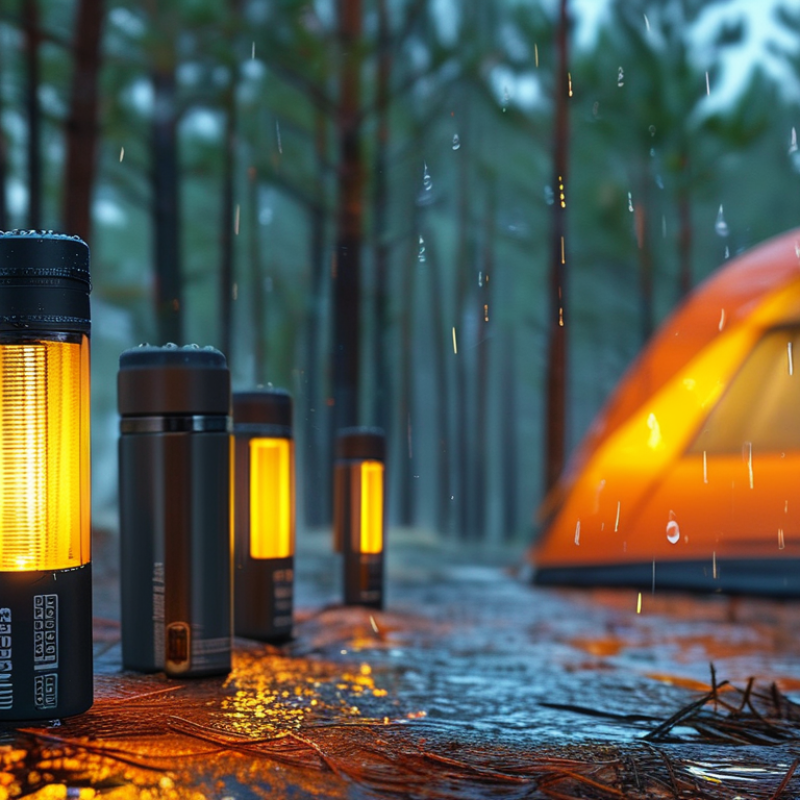
How to Choose the Best Solar Camping Light in 2026?

Understanding Solar Camping Light Types and Their Uses

Choosing the best solar camping light starts with understanding its type and purpose.

Hanging lanterns spread soft light across a tent or picnic table. They work well for cooking, reading, and group activities. A focused torch creates a narrow beam for checking trails or finding equipment. Need a narrow beam? Choose a torch. Headlamps keep both hands free during climbing, repairs, or nighttime washing. String lights add gentle illumination around a shelter, but they are less useful for navigation.

Solar camping lights differ in panel size, battery capacity, brightness, and charging speed. A small panel may charge slowly under trees or cloudy skies. For practical camping, check the lumen rating and test the stated runtime carefully.

Around 100 to 300 lumens suits personal tasks, while larger areas may need more. Red-light modes protect night vision and disturb sleeping campers less. A USB backup port can help when sunlight disappears for several days.

Weather resistance also matters. Look for clear protection ratings, such as IPX4 or higher, and keep the charging panel clean. During a campsite setup, I once placed a lantern beneath a rain shelter and expected it to charge. It barely gained power.

That mistake changed my routine: I now charge lights in open sunlight before dusk. Weight, hanging hooks, stable bases, and simple switches matter more than decorative features.

A brighter light is not always better; glare can make nearby tasks harder.

Evaluating Brightness, Battery Life, and Solar Charging Performance

How to Choose the Best Solar Camping Light in 2026?

Brightness should match the campsite, not the advertising number. For cooking or reading, a lamp producing around 150 to 300 lumens is often practical. Lower output works well inside a tent and saves energy. Check whether the light offers several brightness levels. A wide beam illuminates a table, while a focused beam helps locate trail markers. Measure the beam. I once misjudged a light’s strength beside a bright store display. Outdoors, it appeared weaker.

Battery life depends on brightness, temperature, and battery condition. Test the lamp at its highest useful setting, not only the manufacturer’s lowest claim. A reliable model should provide several hours for evening tasks and preserve emergency power. Lithium batteries usually perform well, but cold nights can reduce runtime. Keep the light inside your sleeping area when temperatures drop. Small details matter.

Solar charging performance deserves a realistic test. Place the panel in direct midday sunlight, angled toward the sun, and avoid placing it under a tent flap. Cloudy weather, shade, and dusty surfaces slow charging considerably. Clouds change everything. A larger panel may recover energy faster, but only if it receives clear exposure. Check charging indicators and compare one sunny day with one partly cloudy day. My first estimate was too optimistic. Also inspect the panel, charging port, and housing for weather resistance before relying on the lamp during a remote trip.

Comparing Durability, Portability, and Weather Resistance

The best solar camping light in 2026 should survive rough handling, not just look bright. I test lights beside wet ground, sharp stones, and a crowded backpack. A rigid frame helps, but excessive weight becomes annoying after several kilometers. A useful target is below 500 grams for hiking. However, lighter designs often sacrifice battery capacity or impact protection.

Weather resistance deserves careful attention. IEC 60529 classifies IPX4 as protection against water splashes, while IPX7 allows temporary immersion up to one meter. Choose at least IPX4 for ordinary camping, and consider IPX7 near rivers or during unpredictable storms. The World Bank’s Global Solar Atlas uses long-term solar irradiation data, showing why charging performance varies strongly by region and season. A lamp charged quickly in Arizona may struggle under northern cloud cover. Manufacturer claims still need real-world testing.

Tips: Check the IP rating, hinge strength, and charging panel angle. Pack a short USB cable. Keep the panel clean. Test the lamp before departure.

Durability also depends on controls and seals. Large buttons work better with cold or wet fingers. Replaceable batteries would improve long-term value, but many current lights lack them. That is a weakness worth acknowledging. A practical light should offer stable illumination, not only a high peak-lumen figure. The U.S. Department of Energy’s lighting guidance emphasizes efficiency and useful light distribution, so inspect the beam near your tent, cooking area, and trail.

Checking Safety Features, Controls, and Extra Functions

When choosing a solar camping light in 2026, inspect safety features before brightness claims. During a weekend test, I placed one beside a damp tent entrance. A sealed housing and an IP-rated design helped protect it from splashes. However, an IP rating does not excuse careless charging. Keep the panel clear, and never charge damaged batteries.

Look for overcharge, overheat, and short-circuit protection. These details matter near sleeping bags and dry grass. A wide, weighted base also reduces accidental tipping. The light should remain cool after several hours. It should not smell hot or produce flickering noise.

I once ignored a loose battery cover, and the light failed after light rain. That mistake still influences my buying checks.

Controls should work with cold or wet fingers. Large buttons are better than tiny touch panels in darkness. A clear battery indicator prevents unexpected shutdowns. Useful extra functions include a dimmer, red-light mode, timer, and emergency flashing setting.

A USB output can help, but it may drain the battery quickly. Check whether the charging port has a secure cover. Test every mode before leaving home. Some advertised functions sound impressive, yet feel awkward beside a real campsite. A simple switch may serve better than a crowded control panel.

Choosing the Best Solar Camping Light for Your Camping Needs

Choosing the best solar camping light starts with your camping needs, not its brightest claim. Start with the night.

For a small tent, 100–200 lumens usually provide comfortable reading light. A larger cooking area may need 300 lumens or more. The U.S. Department of Energy reports that LED lighting uses at least 75% less energy than incandescent lighting and can last 25 times longer. That efficiency matters when a small solar panel must recharge the battery. Check runtime at the brightness you actually use, not only the lowest setting. A dimmer mode, red light, and a stable hanging hook can be more useful than extreme brightness.

Weather protection deserves careful attention. IEC 60529 classifies IP ratings; IPX4 resists splashing water, while IP67 adds dust protection and temporary immersion resistance. Choose at least splash protection for exposed campsites. A larger panel may charge faster, but cloudy weather still reduces output. The International Energy Agency’s Renewables 2024 report highlights solar power’s dependence on changing weather conditions, a reminder that “solar-powered” does not mean always ready. Pack a short charging cable or a small backup light for long storms. There is no perfect lantern. I still carry a backup. Weight, charging time, battery replaceability, and repair access should shape the final choice, especially for multi-day trips where convenience can quietly become safety.

Enquire Today

"*" indicates required fields