Why Choose the Right DC Charging Connector for Your EV?
Choosing the right Dc Charging Connector is crucial for electric vehicle (EV) owners. With the increasing popularity of EVs, ensuring compatibility and efficiency in charging has become paramount. A suitable connector not only affects charging speed but also impacts the overall usability of charging stations.
Many drivers overlook the importance of selecting the right DC Charging Connector. This can lead to frustration and inefficiencies. For instance, using a connector that doesn't match your vehicle or charging station can result in slower charging times. Furthermore, some connectors may lack safety features, putting users at risk.
Investing time in understanding the various types of DC Charging Connectors available is worthwhile. Each type brings specific advantages and potential drawbacks. Consumers should consider their driving habits, local infrastructure, and vehicle specifications. The right choice enhances the EV experience, making it smoother and more reliable. Engaging with knowledgeable professionals can offer valuable insights, making the decision process easier.
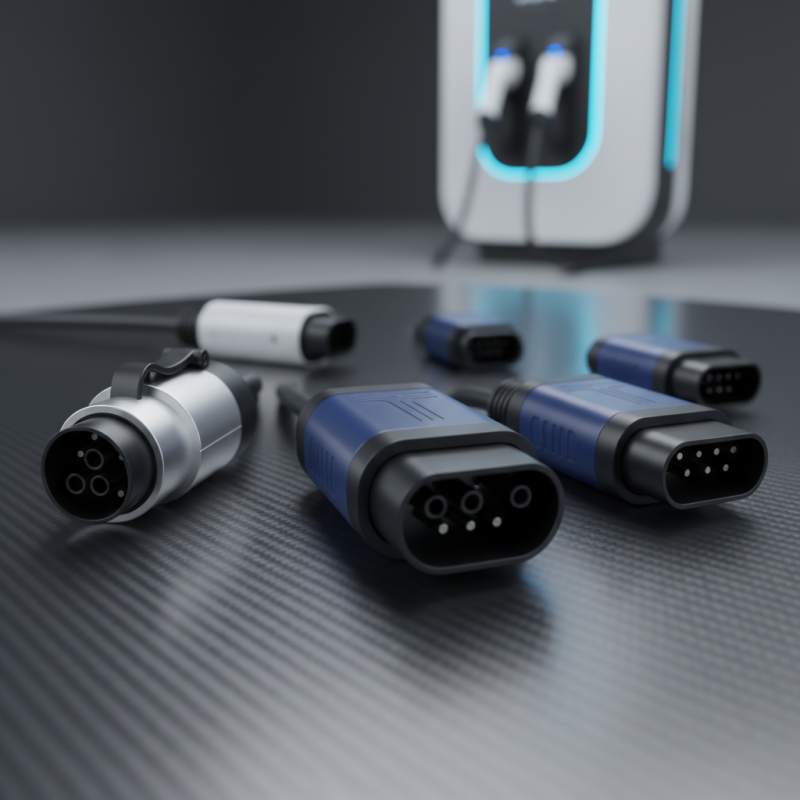
Understanding the Importance of DC Charging Connectors for EVs
DC charging connectors play a crucial role in the electric vehicle (EV) ecosystem. They facilitate faster charging times and ensure compatibility with various charging stations. Choosing the right connector can significantly impact your EV experience. It’s essential to understand the types of connectors available, such as CCS, CHAdeMO, and Tesla's proprietary design.
Compatibility is key. Not every EV supports every connector type. Researching your vehicle’s requirements is vital. Check the specifications before purchasing a connector or charging system. It can save you time and prevent headaches at charging stations.
Tips: Always keep an eye on emerging charging standards. Technology progresses rapidly, and new connectors are developed. Investing in a forward-compatible connector can extend the lifespan of your charging setup.
Furthermore, not all charging stations are created equal. Some may offer limited charging connectors, making it necessary to plan charging routes ahead of time. A well-thought-out strategy can improve your EV journey and reduce range anxiety.
Tips: Utilize mobile apps to locate compatible charging stations. Being informed can help avoid unexpected detours. Remember, a little preparation goes a long way in the world of EV charging.
Importance of DC Charging Connectors for EVs
Types of DC Charging Connectors: A Comprehensive Overview
When it comes to electric vehicles (EVs), selecting the appropriate DC charging connector is crucial. Various types of connectors exist, each with its strengths and challenges. The most common types include CCS, CHAdeMO, and Tesla's proprietary connector. According to a 2023 industry report, CCS accounts for over 60% of fast chargers installed worldwide. This dominance stems from its compatibility with numerous EV models, but it does face limitations in certain regions.
CHAdeMO, while popular, holds a smaller market share. Reports indicate it makes up roughly 20% of global DC charging stations. One significant drawback of CHAdeMO is its slower charging speeds compared to CCS. Yet, it is still favored by some manufacturers for its robust communication and safety features. Tesla's connector, unique to its vehicles, has garnered attention for its efficiency, but its exclusive nature raises concerns about wider accessibility.
Choosing the right connector is not just about speed; it entails understanding regional infrastructure and vehicle compatibility. As the landscape evolves, more connectors will emerge, creating a potential patchwork. Industry analysts recommend keeping an eye on trends and technical advancements. Ultimately, an informed choice can significantly impact the EV ownership experience.
Why Choose the Right DC Charging Connector for Your EV? - Types of DC Charging Connectors: A Comprehensive Overview
| Connector Type | Power Level (kW) | Charging Speed (miles/hour) | Compatibility | Typical Use Case |
| CHAdeMO | 50 | 100 | Nissan, Mitsubishi, Subaru | Fast charging stations |
| CCS (Combined Charging System) | 150 | 120 | BMW, Ford, Volkswagen | Public charging networks |
| Tesla Supercharger | 250 | 200 | Tesla vehicles | High-speed charging stations |
| GB/T | 250 | 150 | Chinese EVs | Domestic charging infrastructure |
| Type 2 | 22 | 40 | European vehicles | Level 2 charging stations |
Factors to Consider When Choosing a DC Charging Connector
When selecting a DC charging connector for your electric vehicle (EV), several factors come into play. One critical aspect is the charging power. High-power connectors can significantly reduce charging time, which is beneficial for drivers on the go. However, this also requires compatible infrastructure. Installing high-power charging stations can be costly and may not be feasible in every location.
Another factor is safety features. Quality connectors should include robust safety mechanisms, such as over-current protection and thermal management. These features prevent overheating and potential hazards during the charging process. Ensuring that the connector meets safety standards enhances reliability and reduces the risk of malfunction.
Lastly, compatibility is vital. Not all EVs utilize the same connector. This can lead to confusion and frustration for users. Understanding the specific connector standards of your EV is essential. Consider not just your current vehicle but also potential future purchases. This holistic view can help you invest wisely and avoid unnecessary expenses down the line.
Compatibility and Standards: Ensuring Your EV's Charging Needs
Selecting the right DC charging connector for your electric vehicle (EV) is crucial. Different regions have various standards. This impacts compatibility with charging stations. Understanding these standards ensures you can find a suitable charger easily.
Compatibility issues can arise if your connector doesn't match the standard. For instance, using a connector not widely accepted in your area can mean limited charging options. Research local charging networks before making a choice. Identify the most common connectors used in your region.
Tips: Always check the specifications of your EV. Ensure your connector matches the DC charging standard in your area. Consider future developments in charging technology too.
Using a less common connector might save some costs initially. However, it can lead to inconvenience later. If you opt for a connector that is not widely available, your charging options may shrink. This can result in longer wait times or the need for adapters. Always weigh the pros and cons before making a decision.
Future Trends in DC Charging Connectors and Electric Vehicles
The landscape of electric vehicle (EV) charging is evolving rapidly. With the rise of DC charging connectors, the commitment to faster and more efficient charging is becoming a reality. As infrastructure adapts, understanding future trends is essential for both manufacturers and consumers. Many users expect ultra-fast charging capabilities, reducing downtime significantly. However, not all connectors can provide this advanced functionality. It raises questions about compatibility and the future of EV charging.
Integration with renewable energy sources is another pivotal trend. As more solar and wind energy is utilized, charging systems must adapt. This shift necessitates robust connectors that can handle varying power outputs. Challenges remain, such as ensuring reliable connections and safety. Moreover, as EV technology continues to mature, so will the designs of these connectors. However, ongoing standardization grapples with the pace of innovation.
While the future appears bright, there are still significant concerns. The growth of new connectors raises issues of accessibility and affordability. Users need easy access to information and reliable charging options. As the market evolves, the balance between innovation and user experience should remain a priority. It’s a complex field, filled with opportunities and potential pitfalls.