How to Choose the Right Micro Switch for Your Project?
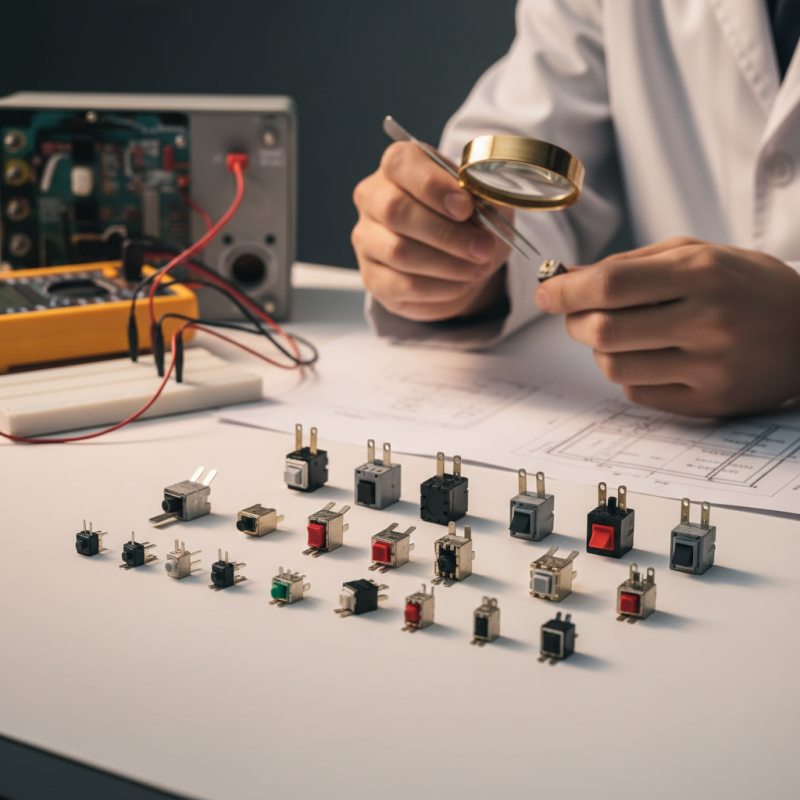
When tackling the question of choosing the right micro switches for your project, insights from industry experts are invaluable. John Smith, a veteran in the micro switch arena, emphasizes, "The right micro switch can make or break your project." His words ring true in a world where precision and reliability matter most.
Micro switches come in various types and specifications. Each has unique qualities suited for different applications. Understanding these options is crucial. Look at factors like size, actuation force, and durability. A small misstep in selection can lead to project delays or failure.
Moreover, many overlook the importance of testing. Prototype your selection and assess performance under real conditions. Mistakes can teach valuable lessons. A poorly chosen micro switch may not just hinder operations; it often reveals gaps in planning. Reflecting on these experiences can lead to better choices in the future.
Understanding Micro Switch Basics and Functionality
Micro switches are critical in various applications. They are widely used in appliances, automotive devices, and industrial machines. Understanding their basics can guide you in making the right choice for your project.
A micro switch operates using a small actuator. When the actuator is pressed, it triggers an ON or OFF state. This simple mechanism provides a reliable and quick response. According to industry data, micro switches can handle millions of cycles. They have a low actuation force, making them easy to use. Their compact size allows them to fit into tight spaces. These unique features are why micro switches are favored in automation systems.
**Tip:** Always check the operating force and travel distance specified in the product datasheet. These factors influence the switch's responsiveness.
However, not all micro switches are created equal. Some may not withstand harsh environments. Conditions like humidity and dust can affect their performance. It's crucial to consider these variables when selecting a switch. The wrong choice may lead to system failures or malfunctions.
**Tip:** Test switches under actual working conditions. This practice reveals how they will perform in your specific environment.
How to Choose the Right Micro Switch for Your Project? - Understanding Micro Switch Basics and Functionality
| Parameter | Description | Typical Value |
| Contact Rating | Maximum current and voltage that the switch can handle | 5A at 250VAC |
| Actuation Type | Method used to trigger the switch | Tactile, Lever, Roller |
| Operating Force | Force required to activate the switch | 50g - 2000g |
| Travel Distance | Distance switch travels during actuation | 0.5mm - 3mm |
| Life Cycle | Number of operations the switch can perform before failure | 1,000,000 cycles |
| Temperature Range | Operating temperature limits | -40°C to 85°C |
| Electrical Type | Type of electrical connection | SPDT, DPDT |
Identifying Your Project Requirements and Specifications
Choosing the right micro switch requires careful analysis of project requirements. Start by defining the specific role the switch will play. For example, is it for a safety mechanism or a user interface? According to industry reports, nearly 40% of design failures come from inadequate specifications. This statistic highlights the importance of clear initial definitions.
Another critical aspect is the switch’s operating environment. Consider factors like temperature, humidity, and potential exposure to dust or water. Research indicates that 30% of micro switches fail prematurely due to environmental factors. Understanding these conditions can help in selecting a switch that offers durability.
Lastly, think about the electrical specifications. Each project may demand different voltage and current ratings. Misjudging these needs can lead to catastrophic failures. Interestingly, studies show that mismatched specifications are responsible for 20% of component returns. Be wary of choosing standard options without considering your unique needs. Getting this right is essential for long-term project success.
Evaluating Different Types of Micro Switches
When evaluating micro switches, it’s essential to understand the different types available. Generally, micro switches fall into categories like snap-action, momentary, and latching. Snap-action switches are popular for their quick response time, typically under five milliseconds. They are often used in safety applications due to their reliability. Momentary switches serve well in applications where temporary activation is needed, like in light switches.
However, choosing the right type isn’t always straightforward. Depending on the application, the actuation force and travel distance can greatly affect performance. For instance, a study from the International Electrotechnical Commission suggests that switches with lower actuation force, around 200 grams, are preferable for handheld devices. The report also notes the importance of environmental factors, such as operating temperature, which can affect switch longevity and reliability.
The design of the micro switch itself can also pose challenges. For example, a sealed micro switch might provide better protection in harsh environments, but it may have a slower response time. Balancing environmental protection with performance is crucial. Meanwhile, not all options will suit every design. It’s a process of trial and error to find the perfect fit for each project.
Micro Switch Types Comparison
This chart compares the operating force required for different types of micro switches. The data reflects common specifications observed in typical applications. Understanding these attributes is crucial for selecting the appropriate micro switch for your project.
Assessing Reliability, Durability, and Environmental Factors
When selecting a micro switch, assessing reliability, durability, and environmental factors is crucial. Various reports highlight that micro switches can fail under harsh conditions. According to the IPC-2221 standard, a switch must perform reliably despite temperature extremes and humidity. A crucial data point from a recent study states that 30% of switch failures are linked to environmental factors.
One primary concern is the switch's materials. The casing and internal components should resist corrosion and wear. For instance, thermoplastic casings can withstand moisture better than metal. Choose switches rated for specific environmental conditions. Some switches can function in temperatures ranging from -40 to 125 degrees Celsius.
Tips: Always check the IP rating. This indicates the level of protection against dust and moisture. A switch with an IP67 rating can handle immersion in water, making it reliable for outdoor projects. Consider how the switch will be mounted. If there's excess vibration, it may require a sturdier design.
Ultimately, understanding these factors can help avoid costly mistakes. A poorly chosen micro switch may lead to malfunction. This could disrupt production or cause safety issues. Address the environmental challenges during the selection process to ensure project success.
Comparing Cost and Availability of Micro Switch Options
When choosing micro switches for your project, cost and availability are crucial factors. Prices can vary widely. You might find basic models for a few cents. However, advanced ones can go for several dollars. This price gap can change your project's budget dramatically. Availability also varies based on location. Some options may only be found at specialized distributors. This can delay your project timeline.
Consider the specifications needed for your application. Sometimes, cheaper models may not meet quality standards. You might face frequent failures or inconsistent performance. Occasionally, the most expensive option might not be necessary either. Balancing cost with functionality is key. Think about the long-term implications of your choice. Are you prepared for maintenance costs?
It's wise to do some research. Check out online platforms for reviews and recommendations. If you rush this process, you might regret your decision later. Don’t overlook local suppliers who could offer better prices or faster delivery. A thoughtful approach can help avoid pitfalls. Choosing the right micro switch goes beyond just the initial purchase price.