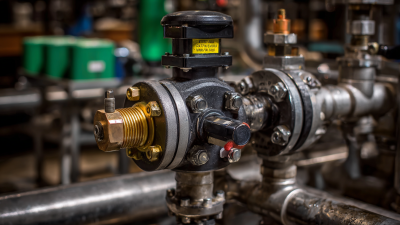
2025 How to Choose the Right Water Control Valve for Your Needs
In today's world, managing water resources efficiently is of paramount importance, whether for agricultural, industrial, or residential needs. One of the critical components in achieving effective water management is the water control valve. These devices play a pivotal role in regulating the flow and pressure of water, ensuring that systems function optimally while conserving valuable resources. With an array of options available on the market, selecting the right water control valve can seem daunting.
When considering which water control valve to choose, several factors come into play. It's essential to assess your specific needs, including the type of fluid being managed, the operating pressure, and the overall system design. Additionally, the intended application—be it for irrigation, municipal supply, or industrial processes—will influence your choice. By understanding these elements, you can make informed decisions that lead to enhanced efficiency and reduced operational costs.
As we delve deeper into this topic, we will explore the various types of water control valves, their functions, and the criteria to consider when selecting the best option for your applications. This comprehensive approach will empower you to navigate the complexities of water management, ensuring that your choice effectively meets your unique requirements.

Understanding Water Control Valves and Their Functions
Water control valves play a crucial role in regulating water flow in various applications, from irrigation systems to municipal water supply and industrial processes. Understanding the different types of valves, such as gate, globe, ball, and butterfly valves, is essential for selecting the right one for your specific needs. Each type serves a unique function. For instance, ball valves offer quick shut-off capabilities, while globe valves are better for throttling flow.
Tips: When choosing a water control valve, first assess your specific requirements, including flow rate, pressure, and medium type. Additionally, consider the installation environment, as certain valves are better suited for freezing temperatures or corrosive materials.
Maintenance is another critical aspect of keeping your water control valve functioning properly. Regular inspections and timely replacements can prevent costly leaks and ensure efficient operation. Tips: Create a maintenance schedule based on the usage frequency and conditions to prolong the valve’s lifespan and performance.
By understanding the functions and features of various water control valves, you can make an informed decision that aligns with your operational needs, ultimately leading to enhanced efficiency and reliability in your water management system.
Types of Water Control Valves: A Comprehensive Overview
When it comes to selecting a water control valve, understanding the various types available is crucial. There are primarily three categories: gate valves, globe valves, and ball valves. Gate valves are ideal for applications that require a straight-line flow with minimal resistance; they are commonly used in systems that need to be fully opened or closed. However, they are less suitable for throttling applications due to their design, which can lead to pressure drop.
Globe valves, on the other hand, are specifically designed for throttling. Their unique shape allows for precise flow control, making them an excellent choice for applications where flow regulation is critical. These valves are versatile and can handle varying temperatures and pressures, but they might not be the best option for large diameter pipes due to their higher pressure drop characteristics. Ball valves offer a quick and efficient solution, as they provide a tight seal and minimal flow resistance. They are perfect for on/off applications and can work well in both liquid and gas systems, offering durability and longevity under harsh conditions. Each type of valve serves a specific purpose, ensuring that the right choice can enhance system efficiency and effectiveness.
Key Factors to Consider When Selecting a Water Control Valve
Selecting the right water control valve is critical for ensuring optimal performance and efficiency in various applications. One of the key factors to consider is the valve's material, which significantly impacts its durability and resistance to corrosion. According to a report from the Global Water Control Valve Market, stainless steel valves are gaining popularity due to their ability to withstand harsh environments, boasting a lifespan that can exceed 20 years when properly maintained. In contrast, plastic valves may be more suitable for lower pressure systems and are often favored in residential applications where lightweight components are beneficial.
Another crucial consideration is the valve's flow rate and pressure capabilities. The Hydraulic Institute reports that improperly sized valves can lead to inefficiencies, increasing energy consumption by up to 20%. It is vital to match the valve's specifications to the system's requirements to prevent pressure drops that could affect overall performance. Additionally, automation features, such as electronic control and feedback mechanisms, are becoming increasingly important, allowing for precise management of water flow and enhancing system responsiveness. Evaluating these factors will help ensure that the selected valve meets both current and future operational needs.
Installation and Maintenance Tips for Water Control Valves
When it comes to water control valves, proper installation and maintenance are key to ensuring their longevity and efficiency. First and foremost, always refer to the manufacturer’s instructions for specific installation guidelines. A common tip is to ensure that the valve is installed in the correct orientation, as indicated by the flow arrow. Additionally, use appropriate sealing materials to prevent leaks, making double-checking torque specifications on the fittings essential to avoid future issues.
Regular maintenance is equally vital for the proper functioning of water control valves. One important tip is to schedule routine inspections to check for signs of wear, such as corrosion or leaks. Cleaning the valve periodically can also prevent buildup that may hinder performance. Furthermore, during the maintenance check, ensure that the valve is operating smoothly by testing its response to control signals. Taking these proactive steps can significantly enhance the performance and lifespan of your water control valve.
Common Applications and Use Cases for Water Control Valves
Water control valves are essential components in various applications, serving to regulate the flow of water effectively. In agricultural settings, for instance, these valves are crucial for irrigation systems, allowing farmers to manage water distribution and ensure crops receive the appropriate amount of hydration. The ability to control water flow not only enhances crop yield but also conserves water resources, making it an environmentally sustainable choice.
In residential and commercial plumbing, water control valves play a significant role in managing water supply. They are commonly used in heating systems, such as boilers and radiant heating, to regulate temperature and maintain comfort. Furthermore, these valves are critical in fire protection systems, where they help manage water pressure and flow to ensure effective fire suppression. Choosing the right water control valve for these applications involves considering factors such as the specific flow requirements, pressure ratings, and the type of medium being controlled, ensuring optimal performance and reliability in various use cases.
2025 How to Choose the Right Water Control Valve for Your Needs - Common Applications and Use Cases for Water Control Valves
| Application |
Valve Type |
Control Mechanism |
Material |
Typical Size (inches) |
| Irrigation Systems |
Gate Valve |
Manual |
PVC |
2-4 |
| Municipal Water Supply |
Ball Valve |
Automated |
Brass |
1-10 |
| HVAC Systems |
Butterfly Valve |
Electric |
Aluminum |
4-12 |
| Industrial Processes |
Globe Valve |
Manual |
Stainless Steel |
0.5-6 |
| Swimming Pools |
Check Valve |
Automatic |
Plastic |
1-3 |