How to Use Solenoid Valves in Irrigation Systems Effectively?
In modern agriculture, effective irrigation is essential for healthy crops. One key component of efficient irrigation systems is the solenoid valve. The Solenoid Valve In Irrigation Systems controls water flow automatically. This technology can save water and labor costs, making it popular among farmers.
However, mastering its use is not always straightforward. Many users struggle with installation and proper maintenance. A poorly functioning solenoid valve can disrupt the entire irrigation process. It is vital to understand its components and settings to optimize performance. Regular inspection of these valves can prevent unexpected breakdowns.
This guide aims to explore practical tips for using solenoid valves effectively. By addressing common challenges, we can enhance irrigation practices. Water management is critical for sustainable farming. Understanding how to apply solenoid valves correctly can lead to better crop yields and resource efficiency.
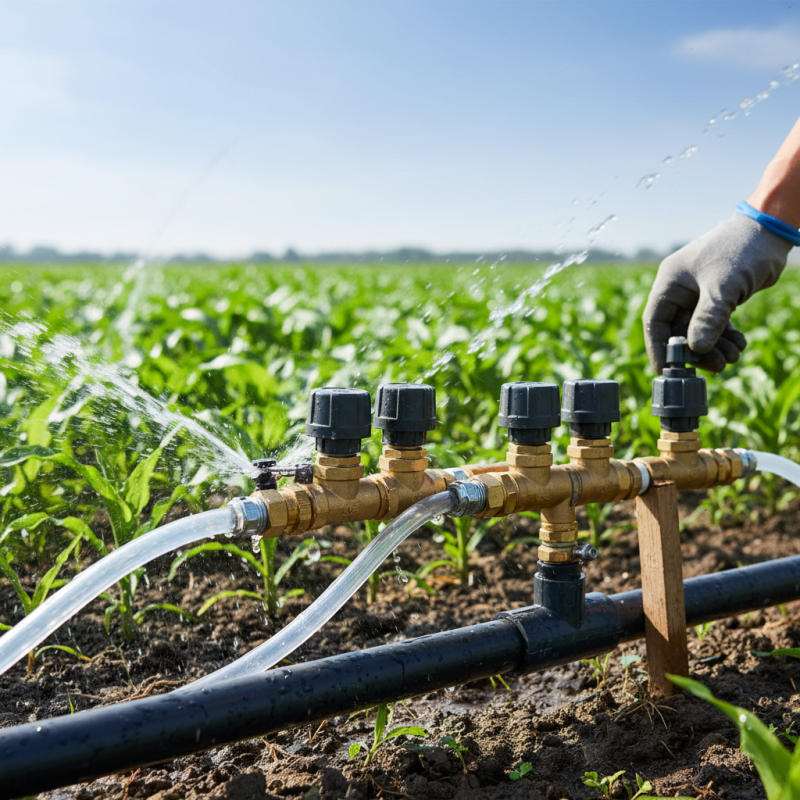
Understanding Solenoid Valves and Their Function in Irrigation Systems
Solenoid valves are essential in irrigation systems. They act as electronic switches that control water flow. By using an electromagnetic coil, they open and close quickly. This feature allows for precise irrigation scheduling. The automation they provide helps in conserving water and reducing manual labor.
Understanding how these valves function is crucial. When electric current passes through the coil, it generates a magnetic field. This field moves a plunger, opening or closing the valve. However, if not installed correctly, issues may arise. For instance, a valve may stick or fail to respond. Regular maintenance ensures they operate smoothly.
Moreover, proper placement of solenoid valves is vital. They should be located near the water source and away from debris. Dirt or clogs can hinder their performance. It's also important to check the voltage requirements. An incorrect voltage can lead to failure. These factors require attention to detail for an efficient irrigation system.
Types of Solenoid Valves Used in Modern Irrigation Applications
Solenoid valves play a crucial role in modern irrigation systems. These valves automate water flow, making irrigation efficient and reliable. There are several types commonly used in agriculture and landscaping.
One popular type is the normally closed solenoid valve. It remains shut when not energized. This design prevents water waste. Another option is the normally open solenoid valve. This type allows water flow when not energized. It can be useful in specific applications, such as drainage.
Consider using a diaphragm solenoid valve for precise control. It can handle varying pressures and offers better flow regulation. However, installation and maintenance can be challenging. You might face issues with debris clogging the valve. Regular checks are necessary to ensure optimal performance. Experimenting with different types can help find the best fit for your specific system. Each valve type has its unique advantages and disadvantages. Reflection is key to mastering their use in irrigation.
Key Benefits of Incorporating Solenoid Valves in Irrigation Designs
Integrating solenoid valves into irrigation systems can bring numerous advantages. These valves automate water flow, allowing for precise control. When used effectively, they can greatly enhance irrigation efficiency. A well-timed opening and closing of valves helps in reducing water waste, particularly in arid regions. This strategic usage can lead to healthier plants and improved growth rates.
One key benefit of solenoid valves is their ability to operate remotely. This feature is particularly useful for large agricultural fields. However, reliance on technology can lead to issues. If the system fails, it could result in overwatering or underwatering. Regular maintenance and checks are essential to ensure efficient operation. This often requires extra effort but pays off in the long run.
Incorporating solenoid valves also allows for customized irrigation schedules. Different plants have varying water needs. By adjusting valves, you can cater to these requirements individually. Yet, errors can occur. Misprogramming can lead to uneven irrigation. It's crucial to stay attentive and evaluate the system regularly. This approach ensures that solenoid valves serve their purpose effectively.
Best Practices for Installing Solenoid Valves in Irrigation Systems
When installing solenoid valves in irrigation systems, precision is key. Soil moisture levels should guide valve placement. Research shows that properly placed valves can reduce water usage by up to 30%. This ensures that each area receives the right amount of water.
Consider the environment where your valves will be installed. Pressure fluctuations can affect performance. The American Society of Agricultural and Biological Engineers (ASABE) suggests checking pressure ratings regularly. Valves should be able to withstand local conditions. Poor installation can lead to leaks or system failures.
Maintenance is often overlooked. Regularly check for clogs and malfunctioning components. A survey by the Irrigation Association found that 40% of irrigation systems have some inefficiency due to undetected issues. Timely interventions can minimize these problems. Keeping a checklist for routine checks is a practical step.
How to Use Solenoid Valves in Irrigation Systems Effectively? - Best Practices for Installing Solenoid Valves in Irrigation Systems
| Dimension | Best Practice | Notes |
| Selection of Solenoid Valve | Choose valves suitable for your irrigation system pressure and flow rate. | Verify compatibility with existing pipes and fittings. |
| Installation Location | Install in accessible spots for maintenance and troubleshooting. | Avoid areas with excessive moisture or flooding. |
| Wiring Configuration | Use proper gauge wires and ensure connections are secure. | Follow electrical codes for outdoor wiring. |
| Testing | Test each valve for proper operation before full system use. | Check for leaks during initial tests. |
| Maintenance Schedule | Create a regular maintenance schedule to inspect valves. | Document any issues for future reference. |
Maintenance Tips to Ensure Optimal Performance of Solenoid Valves
Maintaining solenoid valves is vital for irrigation systems. Regular maintenance can enhance performance significantly. Studies indicate that properly maintained valves can reduce water wastage by up to 30%. Neglected valves can lead to leaks and increased consumption. Checking for clogs and cleaning regularly is essential.
**Tip:** Inspect the solenoid connections monthly. Look for any signs of corrosion. Replace suspect components immediately. Solenoid valves should be operated periodically to prevent them from seizing.
Temperature fluctuations can affect valve performance. If temperatures drop below freezing, insulation may be necessary. Failing to address temperature issues could damage valves. Monitor weather patterns and adjust maintenance schedules accordingly.
**Tip:** Schedule a thorough inspection at the end of each season. This includes checking the solenoid coils. Ensure that all parts are functioning correctly. Proper documentation can help track performance and detect issues early. Having a reliable log may highlight recurring problems.
Performance Metrics of Solenoid Valves in Irrigation Systems
In this chart, we assess the performance metrics of solenoid valves in irrigation systems. The data includes flow rate, pressure, response time, and maintenance frequency to give an overview of their effectiveness.