What is Electrical Steel and Its Importance in Industry?
Electrical Steel is a critical material in the manufacturing of electric motors, transformers, and generators. This alloy is specifically designed to exhibit high magnetic permeability and low core losses. According to a recent report by MarketsandMarkets, the global electrical steel market is projected to reach $27.5 billion by 2025, growing at a CAGR of over 5.5%. This growth reflects the increasing demand for efficient electrical systems and renewable energy solutions.
Industries are increasingly recognizing the importance of Electrical Steel in improving energy efficiency. High-quality electrical steel can reduce energy loss during operation, which is vital as companies strive for sustainability. While many manufacturers produce Electrical Steel, not all meet the same standards. Some may overlook crucial properties like grain orientation, which affects performance. Reflecting on this, it is essential to prioritize quality over cost in the production of Electrical Steel.
In conclusion, Electrical Steel’s role is pivotal in industries aiming for energy-saving solutions. Its ability to enhance performance in electrical applications cannot be underestimated. As industries evolve, the demand for top-tier Electrical Steel will likely increase, pushing manufacturers to innovate and improve. Understanding this material's significance is more important than ever.
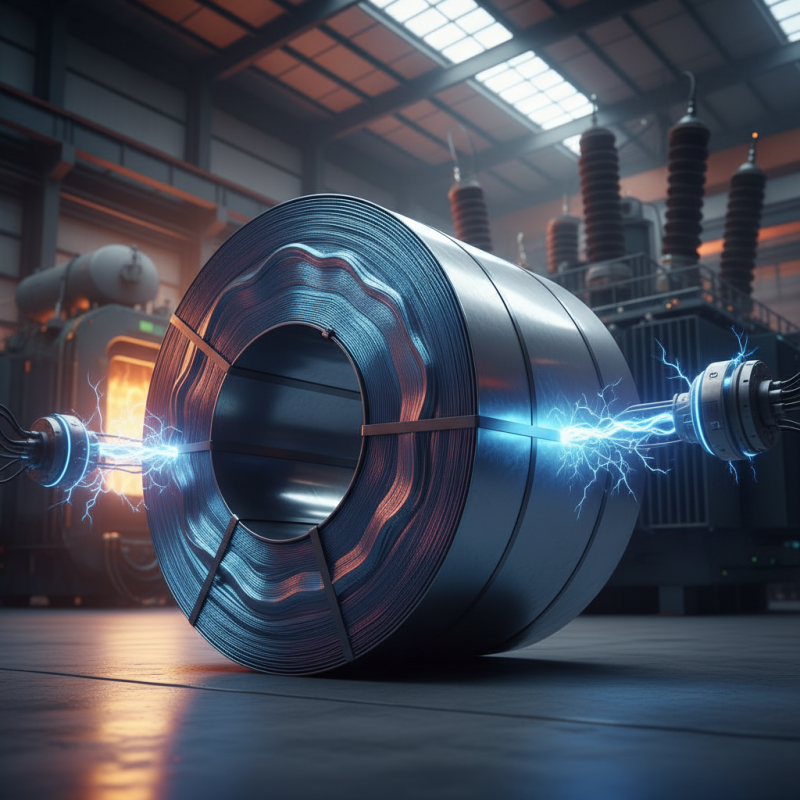
Overview of Electrical Steel and Its Composition
Electrical steel is a specialized type of steel with unique properties vital for various industrial applications. Its primary composition includes iron and silicon. The addition of silicon improves electrical resistance and reduces energy losses. This allows electrical devices to operate more efficiently.
The manufacturing process of electrical steel involves different stages, including melting and rolling. The thickness of the steel can vary significantly. Thinner sheets are preferable for many applications, such as transformers and electric motors. However, producing these thin sheets can be challenging. The need for precision in thickness and composition is critical. Even slight imperfections can impact performance.
Electrical steel also undergoes treatments to enhance its magnetic properties. Insulation coatings might be applied to improve efficiency further. Despite advancements, there are still areas needing improvement. Ongoing research focuses on enhancing the mechanical properties and reducing costs. This pursuit reflects the industry's commitment to innovation and sustainability.
Types of Electrical Steel and Their Properties
Electrical steel is a vital material in various electrical applications, significantly impacting efficiency. There are two main types of electrical steel: silicon steel and amorphous steel. Each type has unique properties that suit different industrial needs.
Silicon steel is widely used in transformers and electric motor cores. It enhances magnetic performance, reducing energy loss during operation. Amorphous steel, on the other hand, offers even lower energy losses. Its irregular atomic structure improves magnetic properties. However, it is also more brittle, presenting challenges in manufacturing.
The choice between these types often depends on specific applications. While silicon steel is prevalent, amorphous steel is gaining attention for its efficiency. Balancing cost and performance remains a key concern for manufacturers. This complexity underscores the importance of ongoing research in electrical steel development. Adapting to innovative solutions could reshape the industry landscape.
What is Electrical Steel and Its Importance in Industry? - Types of Electrical Steel and Their Properties
| Type of Electrical Steel | Magnetic Properties | Applications | Properties |
| Silicon Steel | High permeability, low losses | Transformers, electric motors | Good electrical resistivity, improved tensile strength |
| Cold Rolled Electrical Steel (CRGO) | Superior magnetic properties | High-efficiency transformers | Minimized electromagnetic losses, excellent surface quality |
| Hot Rolled Electrical Steel (CRHI) | Lesser magnetic properties than CRGO | Generators, induction heaters | Cost-effective, easily formable |
| Grain-Oriented Electrical Steel (GOES) | Highly anisotropic magnetic properties | Large power transformers | Improved efficiency, reduced operational losses |
| Non-Grain Oriented Electrical Steel (NGOES) | Isotropic magnetic properties | Electric motors, alternators | Good formability, general-purpose usage |
Applications of Electrical Steel in Industries
Electrical steel plays a crucial role in various industrial applications. It is primarily used in the manufacturing of transformers, electric motors, and generators. The global electrical steel market is expected to witness significant growth, projected to reach approximately $30 billion by 2025. This increase highlights its importance in the energy sector and transportation.
In the automotive industry, electrical steel is vital for electric vehicle (EV) motors. With the rise of EVs, the demand for high-quality electrical steel is soaring. Reports indicate that EV production is anticipated to increase by 20% annually in the coming years. This surge will push manufacturers to optimize materials for efficiency and performance.
Tips: When selecting electrical steel for applications, consider its magnetic properties. Higher permeability and lower core loss are essential for enhancing energy efficiency. Small adjustments in design can lead to big results in performance. Moreover, be mindful of sourcing practices. Ensuring sustainable production can improve overall impact in the long run. Balancing cost and quality is challenging but necessary for success.
Significance of Electrical Steel in Energy Efficiency
Electrical steel plays a vital role in various industries, especially within the realm of energy efficiency. This specialized steel is crucial in manufacturing transformers and electric motors. It has unique magnetic properties that help reduce energy losses. According to the International Energy Agency, electrical steel can reduce energy losses by up to 25% in electrical applications. This has substantial implications for reducing overall energy consumption, which is critical in our current climate.
The importance of electrical steel extends to its impact on renewable energy systems. Wind turbines and electric vehicles heavily rely on this material. For instance, studies from the Department of Energy indicate that efficient use of electrical steel can enhance energy conversion rates. This results in better performance and lower operational costs. However, the production process itself is energy-intensive, which raises questions about sustainability. As industries strive to minimize their carbon footprints, the production methods for electrical steel need closer examination.
Interestingly, many electrical steel manufacturers aim to optimize their processes. Yet, some still overlook recycling possibilities. The European Steel Association reports that the recycling rate for electrical steel is relatively low, around 30%. This inefficiency points to a missed opportunity for enhancing sustainability. Thus, while electrical steel is essential in promoting energy efficiency, it also presents challenges that require further innovation and responsible manufacturing practices.
Energy Efficiency of Electrical Steel in Various Applications
This chart illustrates the energy efficiency percentage of electrical steel in different industrial applications. The data reveals that electrical steel is crucial in enhancing energy efficiency across various sectors.
Future Trends in Electrical Steel Technology and Innovation
The future of electrical steel technology is bright yet challenging. Industry reports indicate a significant drive towards reducing energy losses. According to the International Energy Agency, improving electrical steel's magnetic properties can lead to performance gains of 20% in electric motors.
As manufacturers focus on innovation, environmentally friendly production methods are gaining traction. Advanced coatings and alloy compositions aim to enhance efficiency. Yet, challenges remain in balancing costs and performance. Companies must tread carefully, as advancements may require hefty investments.
Tips: Always stay updated on emerging technologies. Consider how new production methods may affect your operations. Engage with industry experts to learn about best practices. The path forward involves continuous learning and adaptation.