
What Is a Filter Basket and How Does It Work?

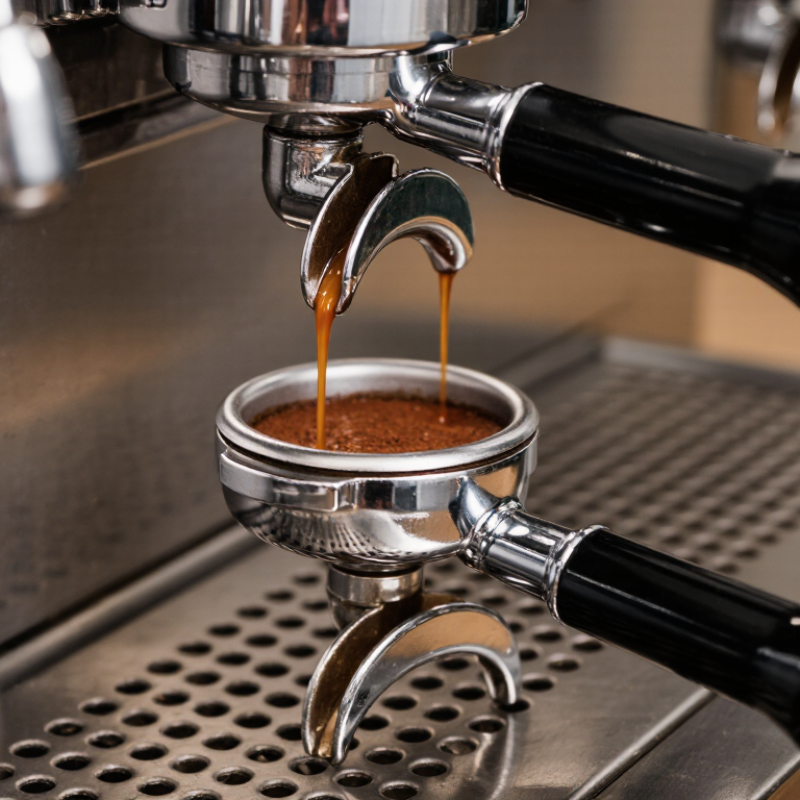
A Filter Basket is the small perforated cup that holds ground coffee inside an espresso machine’s portafilter. It may look simple, but its shape, hole pattern, and capacity can influence how water moves through the coffee. The machine supplies the pressure; the basket helps distribute water across the compact bed of grounds. Small part. Real impact.

During brewing, hot water passes through the coffee and exits through the basket’s tiny openings. A well-prepared bed can encourage a more even flow, while uneven tamping, an unsuitable dose, or blocked holes may contribute to channeling. That can produce a shot that tastes unexpectedly sour, bitter, or thin. The basket is only one part of the process, though. Coffee freshness, grind size, water temperature, and machine performance matter too.

Basket designs vary. Some have a single wall, while others use a double wall that can help create crema with less precise grinding. Sizes also differ, so matching the basket to the portafilter and the intended coffee dose is important. A clean basket matters: oily residue and trapped grounds can affect flow and flavor over time. Check the manufacturer’s guidance before changing dose or using a different basket. There is no universal “best” option for every coffee or machine. Even experienced users sometimes misread a slow shot; the basket may not be the only cause. Understanding what it does makes troubleshooting more practical, not foolproof.
What Is a Filter Basket and How Does It Work?

Filter Basket Anatomy: Perforated Screens, Mesh, and Retained Debris

A filter basket is a removable screen that catches solids while liquid or gas passes through. Its body often uses a perforated metal plate for strength, with a finer mesh liner to capture smaller particles. The plate supports the mesh; the mesh sets the practical filtration limit. Small openings matter. ASTM E11 specifies test-sieve openings of 850 micrometres for No. 20 and 150 micrometres for No. 100. These figures offer useful reference points, but a sieve is not identical to every industrial basket screen.

As fluid enters, debris collects on the basket’s upstream surface. A clean basket allows flow with little resistance; a loaded one can increase pressure drop and reduce flow. Operators can compare pressure readings across the housing and inspect the basket during scheduled maintenance. Look for bent perforations, torn mesh, and debris packed near the outlet. Fine mesh catches more particles, but it may clog sooner. That trade-off is easy to underestimate. The U.S. Department of Energy’s Improving Pumping System Performance sourcebook notes that flow resistance affects pumping-system energy use, so a clogged basket can have consequences beyond filtration. Basket selection should match particle size, flow rate, and cleaning access. I would not treat mesh size alone as proof of performance: installation gaps and damaged seals can let debris bypass the screen.

How Filtration Works: From the Inlet Through the Basket to the Outlet

A filter basket is a removable screen fitted inside a housing. In many systems, liquid or gas enters the housing and meets the basket before reaching the outlet. The basket’s mesh or perforated wall holds back particles larger than its openings. The filtered stream passes through those openings and continues downstream. The result is simple: debris stays on one side.

As particles collect, they form a layer across the basket surface. That layer can capture some smaller material, but it also restricts flow. Operators may notice a rising pressure difference between the inlet and outlet, or reduced flow at the outlet. These changes can signal that inspection or cleaning is due. They are useful clues, not proof on their own; valves, pumps, and other restrictions can affect readings too.

Basket selection depends on the fluid, expected debris, flow rate, and required opening size. A very fine screen may catch more particles, yet clog sooner and require more frequent maintenance. A coarse basket allows easier flow but lets smaller debris pass. There is a practical trade-off. During servicing, the housing should be isolated and depressurized according to its operating procedure. Check the basket for tears, a distorted rim, or a poor seal. Even a small gap can let unfiltered fluid bypass the screen.

ASTM E11 Screen Examples: No. 100 = 150 μm; No. 200 = 75 μm

A filter basket holds a screen in place while liquid or air passes through it. The screen catches particles larger than its openings. In use, the basket may sit inside a vessel, pipe, or processing line. A technician can remove it, inspect the mesh, and clear trapped material.

ASTM E11 screen examples help make mesh sizes concrete. A No. 100 screen has nominal openings of 150 μm, while a No. 200 screen has 75 μm openings. The No. 200 mesh is finer, so it can retain smaller particles, though it may also clog sooner. That sounds simple. It is not a perfect cutoff: particle shape, flow pressure, and screen condition can affect what passes through. A soft flake may squeeze through an opening that would stop a rigid grain.

For a practical check, compare the screen marking with the process requirement, then inspect the basket under good light. Look for bent wires, residue, or uneven wear around the rim. A size number alone does not confirm filtration performance. I have seen clean-looking screens behave differently once loaded with sticky material. That detail is easy to overlook.

Differential Pressure: A Practical Signal for Basket Cleaning

Differential pressure is the pressure difference measured before and after a filter basket. With a clean basket, fluid passes through the screen with relatively little resistance. As particles collect in the mesh, the flow path narrows and upstream pressure rises relative to downstream pressure. That change gives operators a practical signal that cleaning may be needed. Watch the trend.

A single reading does not tell the whole story. Changes in flow rate, fluid temperature, or viscosity can also affect the pressure difference, so compare readings under similar operating conditions. Record the clean-basket baseline, then check the gauge or transmitter at consistent intervals. A steady rise is more useful than one sudden number. It is not a perfect signal. Set a cleaning limit based on the process, equipment guidance, and observed performance rather than relying on a universal threshold. If pressure climbs quickly, flow drops, or readings seem inconsistent, verify the instruments and inspect the basket using the site’s safe isolation procedure. In practice, the trend may be messy; that is a reason to investigate, not to ignore it. Cleaning before restriction becomes severe can help maintain flow and reduce avoidable strain on the system.

Selecting a Basket: Match Micron Rating, Flow Rate, and Material

Choosing a filter basket starts with the particles you need to catch. Micron rating describes the approximate opening size, not a guarantee that every particle above that size will be removed. A finer mesh can capture smaller material, but it may clog sooner and reduce flow.

For water carrying visible grit, a coarse basket may be practical. For finer suspended particles, choose a tighter rating and check how often cleaning is needed. It is a trade-off. Test the basket with the actual liquid when possible, because particle shape and concentration affect performance.

Flow rate matters just as much. Compare the basket’s rated capacity with the system’s normal operating flow, not only its maximum. If liquid backs up or pressure rises quickly, the basket may be too fine, too small, or already loaded with debris. Check the manufacturer’s stated operating conditions and monitor pressure changes during use.

Material choice also depends on the fluid, temperature, and cleaning method. Stainless steel often suits repeated washing, while polymer baskets may be lighter and resist some forms of corrosion. Compatibility varies, though; confirm chemical and temperature limits before installation.

The detail people miss is maintenance access. A well-matched basket is less useful if it is awkward to remove and inspect. And ratings are not magic. Some setups need adjustment after a few real operating cycles.

Article Source:

Enquire Today

"*" indicates required fields