Why is Fracturing Flowback Fluid Critical for Oil and Gas Industry?
The oil and gas industry relies heavily on efficient methods of extracting resources. One critical component of this process is the management of Fracturing Flowback Fluid. This fluid, which returns to the surface after hydraulic fracturing, plays a vital role in production efficiency and environmental safety.
Understanding Fracturing Flowback Fluid is essential for industry professionals. It contains a mixture of water, sand, and chemical additives. If not handled properly, it can pose environmental risks. Monitoring and treating this fluid ensures that potential contaminants are managed and that wastewater is safely disposed of.
Despite advancements, challenges remain. Some companies struggle with the logistics of flowback fluid management. Ensuring compliance with regulations can be complex. Industry experts emphasize the need for continual improvement. Only through a thorough understanding of Fracturing Flowback Fluid can the oil and gas sector enhance operational efficiencies and protect natural resources.
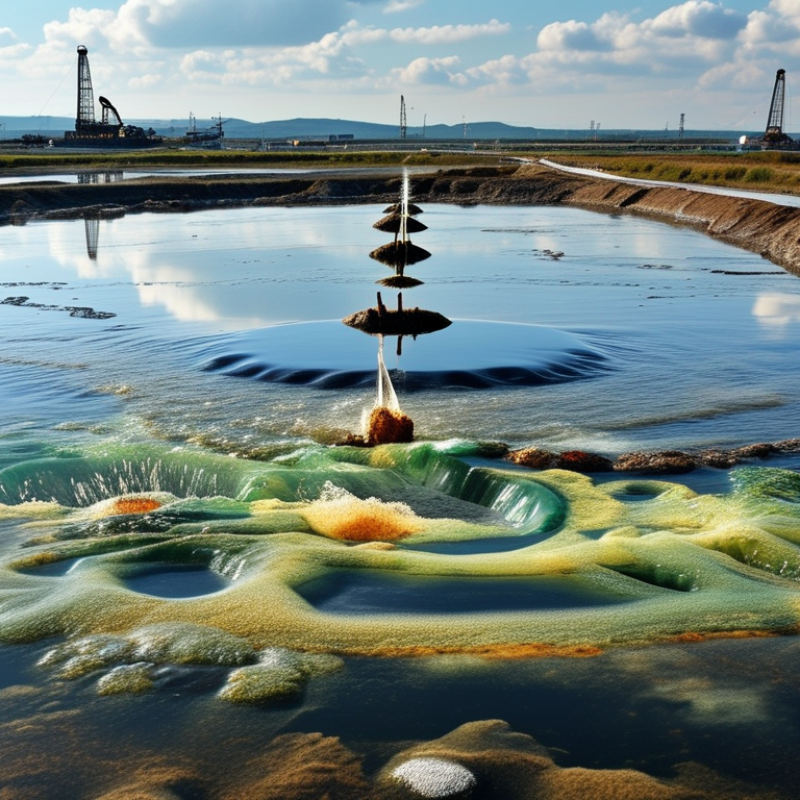
Importance of Fracturing Flowback Fluid in Hydrocarbon Extraction
Fracturing flowback fluid plays a crucial role in hydrocarbon extraction. After hydraulic fracturing, this fluid returns to the surface, bringing valuable natural resources. However, it also contains chemicals and water that can be harmful. Understanding this fluid's composition is essential for safe operations.
The management of flowback fluid offers unique challenges. Operators must determine how to treat and dispose of it safely. This requires a mix of engineering knowledge and environmental awareness. Monitoring the fluid helps prevent contamination. Effective treatment strategies can turn waste into reusable resources.
Challenges arise when fluid quantities exceed expectations. Some operations may generate more flowback than anticipated, creating disposal issues. The need for sustainable practices is clear. As the industry evolves, finding innovative solutions is vital for future success. Balancing extraction and environmental safety remains a pressing concern.
Why is Fracturing Flowback Fluid Critical for Oil and Gas Industry? - Importance of Fracturing Flowback Fluid in Hydrocarbon Extraction
| Dimension | Value |
| Fluid Composition | Water, Sand, Additives |
| Total Volume in a Fracturing Job | 10,000 - 30,000 barrels |
| Chemical Additives Percentage | 0.5% - 2% |
| Recovery Rate of Flowback Fluids | 30% - 70% |
| Potential Environmental Impact | Water Contamination, Surface Spills |
| Recycling Rate of Flowback Fluids | 50% - 90% |
| Cost of Flowback Management | $1.50 - $3.00 per barrel |
| Regulatory Compliance Importance | Avoiding Fines, Environmental Protection |
Understanding the Composition and Characteristics of Flowback Fluid
The flowback fluid from hydraulic fracturing sites is crucial for the oil and gas industry. This fluid primarily consists of water, proppants, and various chemical additives. Understanding its composition helps in managing risks associated with environmental contamination. The additives can include biocides, surfactants, and gelling agents, each serving specific functions in the fracturing process. Flowback fluid characteristics vary greatly. Its salinity can be significantly higher than that of freshwater. This high salinity can pose challenges for water treatment facilities. Moreover, heavy metals and hydrocarbons may also be present. These components can lead to concerns about groundwater contamination if not properly handled. Managing flowback fluid requires expertise and constant monitoring. Companies must invest in research to develop effective treatment methods. Reflection on past incidents highlights the need for stringent protocols. Proper disposal and recycling options remain essential for sustainability. Sharing knowledge across the industry can lead to improved practices.
Environmental Impacts of Flowback Fluid Management in Oil and Gas
The management of flowback fluid presents significant environmental challenges in the oil and gas industry. After hydraulic fracturing, flowback fluid, which contains various contaminants, returns to the surface. This fluid can pose risks to soil and water sources if not handled properly. The industry faces pressure to develop sustainable practices to mitigate these risks. Water quality can be compromised if fluid leaks occur during disposal or transport.
Additionally, transportation of flowback fluid can lead to accidental spills, creating contamination crises. Companies are adopting better containment measures and monitoring systems, yet spills still happen. The treatment process is complex, often frustrating operators aiming to meet regulatory standards while ensuring environmental safety. Some fluid treatment methods generate waste that poses disposal challenges of its own.
Public scrutiny amplifies these concerns. Communities near drilling sites express fear about potential health risks. Transparency in fluid management practices is essential. Increased engagement with local populations could build trust, yet many companies still lack substantial outreach. Addressing these environmental impacts requires ongoing effort, research, and genuine accountability in fluid management within the oil and gas sector.
Technological Advances in Treating and Recycling Flowback Fluid
The oil and gas industry faces pressing challenges with flowback fluid treatment. This fluid, a byproduct of hydraulic fracturing, contains various chemicals, metals, and particulates. Improper disposal can lead to environmental issues. Thus, innovative technologies for treating and recycling this fluid are essential.
Recent advances include advanced filtration and membrane technologies. These methods enhance the separation of contaminants from flowback fluid. Portable treatment units can be deployed onsite, minimizing transport costs and environmental impact. However, these technologies require careful monitoring and operations. There is room for improvement in efficiency and effectiveness.
The implementation of these technologies isn't without hurdles. Integrating new systems into existing processes can be complex. There's also the challenge of regulatory compliance. Stakeholders must be vigilant, ensuring treated fluids meet safety standards. Continuous research and development are vital to address these issues and improve sustainability in the industry.
Regulatory Framework Governing Flowback Fluid Disposal and Management
The regulatory framework for flowback fluid disposal plays a crucial role in the oil and gas industry. Flowback fluid, a byproduct of hydraulic fracturing, contains various chemicals and natural substances. The management of this fluid is essential for environmental protection and public health. The U.S. Environmental Protection Agency (EPA) estimates that improper disposal could lead to significant groundwater contamination.
Regulations often require companies to disclose the chemical makeup of flowback fluid. This transparency helps in assessing potential risks. States like Texas have implemented stringent rules on disposal methods, mandating the use of injection wells and recycling processes. Such measures aim to reduce environmental impact. However, compliance is inconsistent; some operators lack adherence to established protocols.
Data from the American Petroleum Institute indicates that about 20% of flowback fluid is recycled. While this statistic shows improvement, it also highlights areas needing focus. Regulatory bodies must enhance oversight and incentivize better practices. The public's trust hinges on responsible management. Addressing these challenges will be critical for the industry's sustainability and community safety.
Flowback Fluid Management in the Oil and Gas Industry
This chart illustrates the distribution of different types of flowback fluid disposal methods used in the oil and gas industry, highlighting the importance of proper management for environmental protection and regulatory compliance.