What is a Fuse Box Cabinet and Why is it Important?
The Fuse Box Cabinet is often overlooked, yet it's critical to any electrical system. This cabinet protects essential components and ensures safety in homes and businesses. A properly maintained Fuse Box Cabinet can prevent electrical hazards, such as fires or shocks.
Many people underestimate its importance. They may not realize that the Fuse Box Cabinet houses fuses and circuit breakers essential for controlling electrical flow. Without this vital unit, electrical issues can escalate quickly and dangerously.
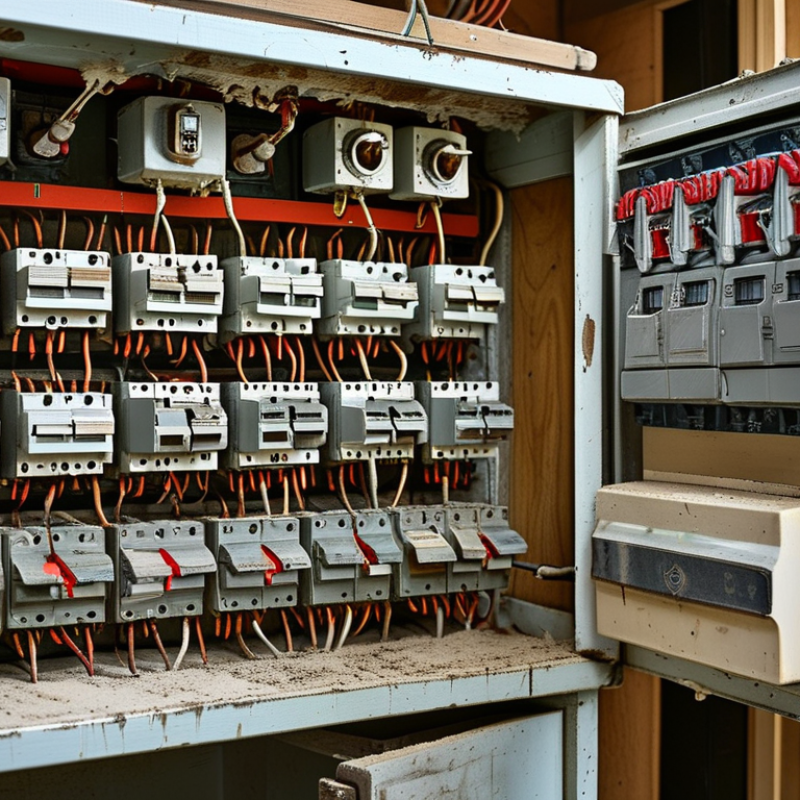
Additionally, regular inspection of the Fuse Box Cabinet is necessary. Dust and moisture can compromise its functionality. It's crucial to ensure a reliable and safe environment for all electrical devices. Ignoring upkeep may lead to malfunction, causing inconvenience and potential danger. Understanding the significance of this unit is vital for electrical safety.
Definition of a Fuse Box Cabinet and Its Components
A fuse box cabinet is an essential component of any electrical system. It acts as the central hub for managing electrical wires and circuits in a building. Typically made of durable materials like metal or plastic, it houses various protective devices. These devices include fuses, circuit breakers, and switches. Each plays a crucial role in ensuring the safe distribution of electricity throughout a space.
Inside the cabinet, labels and diagrams help identify sections and circuits. This organization is vital for maintenance and troubleshooting. A well-maintained fuse box cabinet can prevent electrical hazards. However, many people neglect this essential component. Dust and corrosion can lead to malfunctions. Regular inspections and cleanings are necessary to ensure safety and functionality.
In addition to physical components, understanding the fuse box's layout is important. It helps users pinpoint issues quickly. Misunderstanding the system can lead to dangerous mistakes. Educating oneself about a fuse box cabinet contributes to safer living environments. It’s a reminder that even basic electrical knowledge can enhance your safety and that of others.
What is a Fuse Box Cabinet and Why is it Important?
| Component | Description | Importance |
| Fuse Box Cabinet | A cabinet housing electrical fuses or breakers that control the electrical circuits of a building. | Protects the electrical system from overload and short circuits. |
| Circuit Breakers | Automatic switches that protect circuits from overloads by closing the circuit when a fault occurs. | Ensures safety by cutting off electricity during faults to prevent fires. |
| Main Power Supply | The primary source of electrical power entering the building. | Essential for the operation of all electrical systems and appliances. |
| Wiring | Conductors that carry electrical current to various points from the fuse box. | Critical for distributing electricity throughout the building safely. |
| Grounding System | A safety feature that directs excess electricity to the ground. | Prevents electrical shock and equipment damage. |
Purpose and Functionality of a Fuse Box Cabinet
A fuse box cabinet is a crucial component in electrical systems. Its primary purpose is to house the fuses and circuit breakers that protect electrical circuits. Without it, homes would be at risk of electrical fires and equipment damage. According to the National Fire Protection Association (NFPA), about 47,700 home structure fires occurred due to electrical malfunctions in 2020. Properly functioning fuse boxes can help prevent such incidents.
These cabinets ensure safety by controlling the flow of electricity. They automatically disconnect power in case of overloads or faults. This reduces the chances of electrocution or fire. In fact, data from the Electrical Safety Foundation International (ESFI) indicates that homes with outdated fuse boxes are 55% more likely to experience electrical issues. Regular inspections can identify problems early, but many people overlook this aspect.
Additionally, a well-organized fuse box creates easier access during emergencies. Knowing where circuits are connected can save seconds, which matters during a fire. However, many homeowners remain unaware of the importance of maintaining these cabinets. Ignoring signs such as frequent fuse blowing or flickering lights can lead to severe consequences. This lack of awareness can turn a minor issue into a significant hazard.
Common Types of Fuse Box Cabinets and Their Uses
Fuse box cabinets play a crucial role in electrical systems. They house circuit breakers, fuses, and wiring connections that manage electrical flow to your home or building. Understanding the types of fuse box cabinets helps ensure safety and efficiency.
There are several common types of fuse box cabinets. Standard home fuse boxes are typically found in residential areas. They contain circuit breakers that safeguard the home from overloads. Commercial fuse boxes are larger, designed to handle the increased load of businesses. Then, there are outdoor fuse boxes, which must be weatherproof to protect against the elements. Each type serves a specific purpose.
Tips: Regularly check your fuse box cabinet for any signs of wear. Look for rust, discoloration, or loose connections. At the same time, keep it organized. This avoids confusion during emergencies.
Consider consulting a professional if you're unsure about your fuse box. Some systems can seem complicated, and a small mistake might lead to bigger issues. Having expert help ensures safety and proper function. Don’t attempt repairs or inspection without understanding the system.
Safety and Compliance Considerations for Fuse Box Cabinets
Fuse box cabinets play a crucial role in electrical safety and regulatory compliance. They house circuit breakers and fuses that protect your home. A well-maintained cabinet prevents overloads and short circuits. However, neglect can lead to serious hazards. Regular inspections help identify wear and tear.
Understanding codes is vital. Local regulations dictate installation standards. Ignoring these can result in fines or unsafe environments. It’s essential to ensure your fuse box cabinet meets these requirements. Outdated or damaged cabinets may not provide adequate protection. Invest in updates or replacements if necessary.
Consider the layout of your space. Fuse boxes should be accessible for emergencies. Cluttered areas can pose risks. Keep the vicinity clear for safe operation. Also, check sealing and ventilation. Moisture can damage electrical components, leading to malfunctions. Regular maintenance ensures longevity and safety.
Maintenance and Troubleshooting of Fuse Box Cabinets
A fuse box cabinet is a critical component of any electrical system. Proper maintenance ensures safety and reliability. Regularly inspecting the cabinet helps you identify potential issues. Look for signs of corrosion, burns, or loose wires.
Tips: Always turn off the main power before performing any inspections. Use a flashlight to see inside the cabinet clearly.
It's important to keep the cabinet clean. Dust accumulation can cause overheating. If you notice any unusual sounds, it might signal a malfunction. Addressing these issues quickly can prevent more serious problems.
Tips: Schedule a professional inspection every few years. Document any repairs or changes made over time to track your system's health.
Fuse Box Cabinet Maintenance and Troubleshooting Data