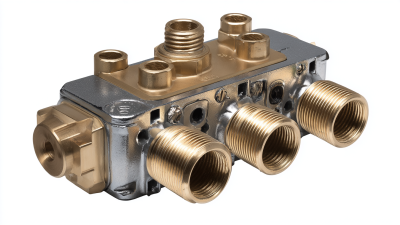
Understanding the Importance of Gas Valves in Modern Home Safety Systems
In an era where home safety is paramount, the role of gas valves in modern safety systems has become increasingly significant. According to a report by the National Fire Protection Association (NFPA), gas leaks and explosions account for a substantial percentage of residential fires, underscoring the critical need for reliable gas valve mechanisms. Recent data suggests that over 90% of gas-related incidents could potentially be mitigated through the proper installation and functioning of gas valves.
These components not only control the flow of gas within a household but also play a crucial role in emergency shut-off situations, ensuring that residents can respond swiftly in the event of a leak. As advancements in technology continue to enhance the capabilities of gas valves, understanding their importance has never been more crucial for homeowners seeking to safeguard their residences from potential hazards.
The Role of Gas Valves in Enhancing Home Safety and Compliance Standards
 Gas valves play a pivotal role in enhancing home safety by regulating the flow of gas and ensuring compliance with safety standards. In modern safety systems, the inclusion of quality gas valves contributes significantly to preventing leaks and potential fires, which is crucial for protecting residents and property. When installed correctly, these valves serve as a first line of defense, automatically shutting off gas flow in emergencies and allowing for controlled usage when needed.
In addition to their safety functions, gas valves must adhere to regulatory standards that are set forth in building codes. These regulations ensure that homes are equipped with reliable gas connections and safety mechanisms, fostering a safer living environment. For instance, the proper use of LPG hoses and tubing is essential in installations, as improper handling can lead to risks such as leaks or explosions. Ultimately, integrating effective gas valves into home safety systems not only helps prevent hazards but also aligns with the best practices outlined by regulatory bodies, ensuring that homes comply with safety codes.
Essential Types of Gas Valves: Functionality and Applications in Residential Settings
Gas valves are vital components in modern home safety systems, playing a crucial role in ensuring safe gas usage in residential settings. There are various types of gas valves, each serving specific functionalities. For instance, solenoid valves are commonly used for automatic control, allowing gas flow to be easily managed. Pressure relief valves help maintain optimal pressure levels, preventing potential leaks and explosions, while shut-off valves act as critical safety measures by halting the gas flow during emergencies.
Tips: Regular maintenance of gas valves is crucial for safety. Homeowners should routinely check for leaks and ensure valves are functioning properly. Additionally, investing in advanced gas leak detectors can provide an extra layer of protection, alerting residents to any dangerous situations before they escalate.
Another essential type of gas valve is the pressure-reducing valve, which ensures that gas pressure is maintained within safe limits for appliances. Homeowners should make it a practice to get their gas appliances inspected annually, as this can prevent accidents and maintain efficiency. Proper installation and awareness of the various types of gas valves can greatly enhance safety measures within a home, providing peace of mind to residents.
Industry Statistics: Reducing Gas Accidents Through Effective Valve Management
The significance of effective valve management in preventing gas accidents cannot be overstated. According to industry statistics, improper valve maintenance is a leading cause of gas leaks, which can result in catastrophic consequences, including explosions and poisonings. In fact, recent studies indicate that homes equipped with modern gas safety systems—including properly functioning valves—experience up to 50% fewer gas-related incidents compared to those lacking such systems. This stark contrast highlights the critical role that gas valves play in overall home safety.
Moreover, the implementation of stringent regulations surrounding valve installation and maintenance has proven effective in reducing accidents. Regular inspections and timely replacements not only enhance the safety of gas systems but also build public confidence in home safety technologies. As homeowners become increasingly aware of these statistics, the demand for advanced gas valve technologies is expected to rise; this shift will pave the way for innovations aimed at further minimizing risks while promoting sustainable safety practices within residential settings.
Understanding the Importance of Gas Valves in Modern Home Safety Systems
| Region |
Number of Gas Accidents (2022) |
Reduction in Accidents (%) |
Percentage of Homes with Gas Valves (%) |
Average Lifespan of Gas Valves (Years) |
| North America |
1,200 |
30% |
85% |
15 |
| Europe |
900 |
25% |
80% |
12 |
| Asia-Pacific |
1,800 |
15% |
60% |
10 |
| South America |
600 |
10% |
50% |
8 |
| Africa |
300 |
5% |
40% |
6 |
Maintenance Protocols: Ensuring Longevity and Safety of Gas Valves in Homes
Regular maintenance of gas valves is crucial for ensuring the safety and longevity of gas systems in modern homes. Homeowners should establish a routine inspection schedule, ideally annually, to check for any signs of wear, leaks, or corrosion. During these inspections, it is essential to examine the valve seals and connections, as deterioration can lead to dangerous gas leaks. Additionally, ensuring that the valves operate smoothly and are free from obstructions can prevent potential hazards.
Incorporating proper cleaning protocols is also vital for gas valve maintenance. Dust and debris can accumulate over time, obstructing the valve's operation. Cleaning the external surfaces and ensuring that the valve is accessible can facilitate better inspections. Homeowners should also consider utilizing professional services for complex maintenance tasks, which can include recalibrating the valves or replacing components that show signs of fatigue. By following these maintenance protocols, homeowners not only enhance the safety of their living environments but also extend the operational lifespan of their gas systems.
Gas Valve Maintenance Protocols: Importance and Frequency
This chart illustrates the recommended frequency of various maintenance protocols for gas valves in residential settings. Regular inspections, cleaning, and testing are crucial for ensuring the longevity and safety of gas valves in modern home safety systems.
Innovative Technologies: Smart Gas Valves and Their Impact on Home Safety Systems
The integration of smart gas valves into home safety systems represents a significant leap forward in modern safety technology. These innovative devices utilize advanced sensors and connectivity to monitor gas levels in real-time, providing homeowners with immediate alerts in case of leaks or irregularities. With features like remote control through smartphones and integration with home automation systems, smart gas valves not only enhance safety but also offer convenience, allowing homeowners to manage their gas systems effortlessly.
Moreover, the impact of these technologies extends beyond immediate safety benefits. By employing data analytics and machine learning, smart gas valves can predict potential failures before they occur, prompting preventative maintenance and minimizing risks. This proactive approach not only protects lives but also ensures the efficiency of gas appliances, ultimately leading to energy conservation and reduced utility costs. As more households adopt smart home technologies, the role of gas valves is becoming increasingly critical in creating a safe and efficient living environment.