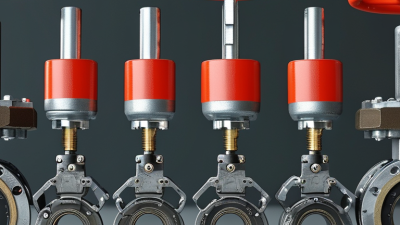
How to Choose the Right Check Valve in 2026?

Choosing the right check valve in 2026 is no longer a simple catalog exercise. Flow direction, pressure, temperature, fluid chemistry, installation position, and maintenance access all influence performance. A valve that works well on clean water may fail quickly in abrasive slurry or pulsating gas service. Small details matter, such as a five-degree installation error or an undersized spring.

Market evidence shows why selection deserves more attention. Grand View Research estimated the global industrial valves market at approximately USD 78.46 billion in 2023, with projected growth of about 4.8% annually from 2024 to 2030. Its Industrial Valves Market report identifies oil and gas, water treatment, power generation, and chemicals as major application sectors. These industries increasingly demand lower leakage, longer service life, and better process efficiency. The International Energy Agency also highlights energy efficiency and infrastructure modernization as important industrial priorities in its World Energy Outlook 2024.

Standards provide a reliable starting point. API 6D supports pipeline valve requirements, while ASME B16.34 addresses pressure-temperature ratings and construction criteria. ISO 5208 provides leakage-testing guidance. However, compliance alone does not guarantee a suitable product. A wafer check valve, swing check valve, lift check valve, or dual-plate design may each solve a different operating problem. That distinction is often underestimated.

This guide examines practical selection factors for 2026. It connects published market data with field experience, engineering judgment, and manufacturer documentation. The process is not perfect. Real systems contain uncertainty, and operating conditions can change. Still, a disciplined comparison can reduce water hammer, reverse flow, premature wear, and avoidable maintenance costs.
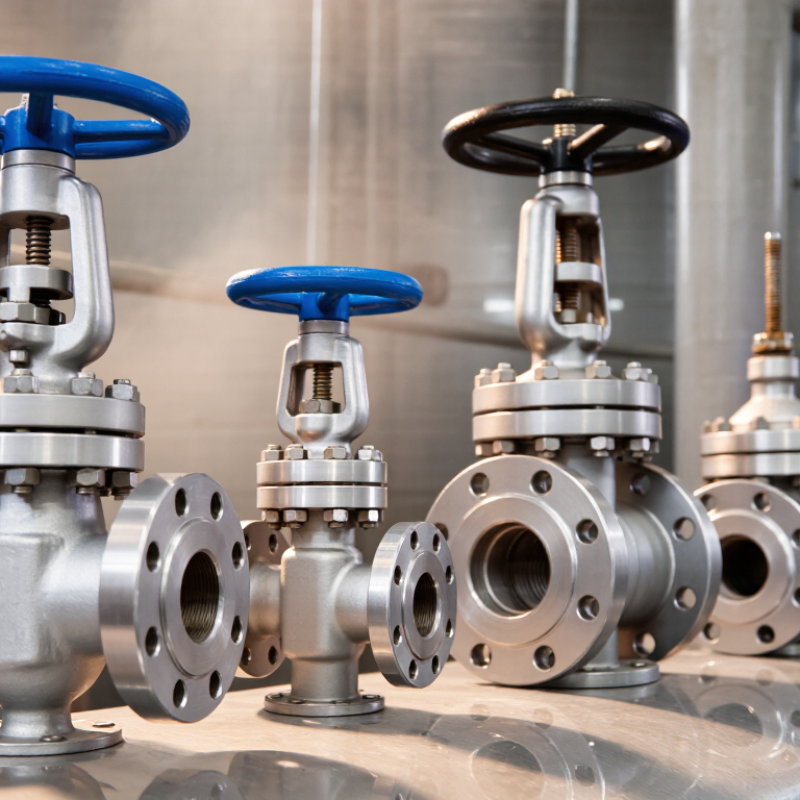
How to Choose the Right Check Valve in 2026?

What a Check Valve Is and How It Controls One-Way Flow

How to Choose the Right Check Valve in 2026?

A check valve permits fluid to move in one direction and blocks reverse flow. It operates automatically through pressure differences, using a disc, ball, piston, or flexible diaphragm. When inlet pressure rises, the valve opens. When flow stops, the closing element returns to its seat. This action protects pumps, prevents backflow, and reduces contamination risks in piping systems. The result depends on more than the valve’s size.

Choose according to fluid type, temperature, pressure, flow speed, and installation position. A swing check valve suits steady horizontal flow, while a spring-loaded valve often responds faster in compact systems. Cracking pressure matters. Too much resistance can waste energy, but too little may allow unstable operation.

During field inspections, technicians often find valves installed backward or without enough maintenance access. That simple mistake can stop an entire line. I once underestimated vibration. It can loosen connections and shorten service life.

Tips: Confirm the flow arrow before installation. Match body and seal materials with the medium. Check pressure loss at the expected flow rate, not only the maximum rating. Leave space for inspection. Listen for hammering, chatter, or repeated impact; these sounds may reveal poor sizing. Do not rely only on a catalog table. Real operating conditions can differ. Even a carefully selected valve may need adjustment after commissioning.
How to Match Valve Types to Fluid, Pressure, and Installation Needs

How to Choose the Right Check Valve in 2026?

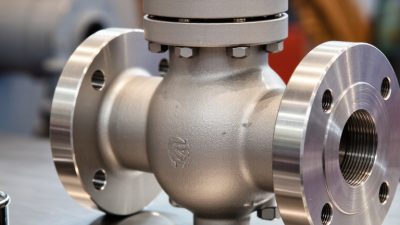
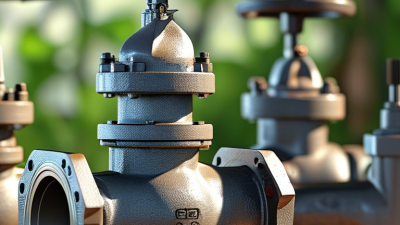
A check valve should match the fluid, pressure, and installation conditions. Start by identifying the fluid’s viscosity, temperature, cleanliness, and chemical behavior. Clean water may work well with a swing or wafer valve. Thick oil may need a guided, low-resistance design. Corrosive fluids require carefully selected body and seal materials. Material compatibility matters more than a low purchase price.

Check both normal and peak pressure before selecting the valve. A valve rated for routine pressure may fail during a sudden surge. Pump discharge lines often need quick-closing valves to reduce reverse flow and water hammer. Installation space also matters. Wafer valves save room between flanges, while threaded designs suit compact piping. However, maintenance access is easy to overlook. Field inspections often find valves installed backward or without enough clearance. That small mistake can stop an entire line.

Tips: Confirm the flow direction arrow. Measure the pipe size accurately. Review the pressure drop. Ask whether solids may enter the system. Choose a valve that can be inspected safely. When conditions are uncertain, document your assumptions and verify them with a qualified engineer. A cheaper valve can become expensive after repeated repairs.

How to Select the Right Size, Material, and Pressure Rating

How to Choose the Right Check Valve in 2026?

Selecting a check valve starts with flow conditions, not pipe diameter alone. The 2024 IMARC industry report valued the global check valve market at approximately USD 4 billion. That growth reflects tighter process control and expanding water infrastructure. Size the valve for actual flow, velocity, and pressure loss. A valve that matches the line perfectly may still close too slowly. That can create water hammer.

Review the minimum and maximum flow rates carefully. Spring-assisted designs often suit fluctuating systems, while swing designs may reduce pressure loss in steady pipelines. Check the cracking pressure against available pump head. Small differences matter. Use the manufacturer’s flow coefficient data, then verify calculations under start-up conditions. ASME B16.34 provides pressure-temperature requirements for many valve categories, but operating temperature can reduce allowable pressure. Never select a rating from pressure alone.

Material selection must reflect the fluid, temperature, and contamination risk. Stainless steel can resist many corrosive fluids, but chloride-rich water may require a higher-alloy option. Ductile iron can work well in treated water systems when coating and water chemistry are controlled. The 2023 NACE corrosion industry report estimates global corrosion costs exceed USD 2.5 trillion annually, showing why material shortcuts deserve scrutiny. I would also review installation direction, maintenance access, and transient pressure records. A neat calculation can still fail when field data is incomplete. Test the chosen valve under realistic operating conditions before final approval.

How to Choose the Right Check Valve in 2026?

Select the correct valve size, material, and pressure rating for reliable one-way flow protection.

Selection factor Practical guidance Common options
Size Match the connection size, then verify flow velocity, pressure drop, and minimum closing flow. Oversizing can reduce disc stability and increase water hammer risk. DN25, DN50, DN80, DN100, DN150 and larger
Body material Choose according to fluid chemistry, temperature, corrosion exposure, and applicable piping standards. Cast iron for general water service; ductile iron for stronger water-system bodies; stainless steel for improved corrosion resistance; carbon steel for many industrial services
Pressure rating Select a nominal rating above the maximum operating pressure, including surge. Confirm the pressure-temperature rating for the actual material and standard. PN10, PN16, PN25, PN40 or the applicable ASME pressure class

The chart shows ISO/EN nominal pressure classes in bar and their approximate psi equivalents. PN values are designation levels, not universal allowable working pressures at every temperature; always verify the valve standard, material, temperature derating, connection type, and system surge conditions before selection.

How to Compare Cracking Pressure, Flow Loss, and Operating Performance

How to Choose the Right Check Valve in 2026?

Check valve selection should compare cracking pressure, flow loss, and real operating performance. Cracking pressure is the minimum upstream pressure needed to open the valve. A lower value can protect weak pumps and improve startup response. However, it may cause unwanted cycling in pulsating systems. Test the valve with the actual fluid, temperature, and mounting position.

Flow loss matters after opening. Request pressure-drop data at normal and peak flow rates. A valve that performs well at low flow may create sharp losses near capacity. This increases pump energy and can reduce downstream pressure. Measure both directions when possible. Disc weight, spring force, seat design, and pipe alignment can change results. In field checks, listen for chatter and inspect vibration marks. These clues may reveal problems that laboratory curves miss. One test is not enough. Repeat it after thermal cycling.

Tips: Match cracking pressure to the pump’s available head, with a practical safety margin. Compare pressure loss at three flow points. Confirm fluid and temperature compatibility. Install the valve in the correct orientation, then verify performance with calibrated gauges. Leave maintenance space. A cheaper valve can become costly when it causes noise, wear, or shutdowns. Selection is sometimes an informed compromise, not a perfect calculation.

How to Verify Compatibility, Maintenance Needs, and Safety Standards

How to Choose the Right Check Valve in 2026?

Selecting a check valve starts with the actual service conditions, not the catalog description. Identify the fluid, operating pressure, temperature range, flow direction, and required cracking pressure. A valve suitable for clean water may fail quickly with abrasive slurry or sticky process fluid. Confirm body, disc, spring, and seal materials against the fluid’s chemical properties. Do not guess. I once saw a valve pass a workshop test but struggle after installation because the line carried fine particles. Details matter.

Compatibility also depends on pipe size, connection type, installation angle, and flow velocity. Compare the valve’s rated pressure with both normal and surge conditions. Check whether vertical or horizontal mounting is permitted. Maintenance planning should include inspection access, replacement seals, cleaning intervals, and expected cycle frequency. A low-maintenance design is not maintenance-free. Record pressure-drop readings during commissioning, then compare them during scheduled inspections. Small changes can reveal fouling, spring fatigue, or disc damage.

Safety verification requires current technical documents, material certificates, pressure-test records, and traceable inspection results. Match the valve to applicable standards and site requirements, such as pressure equipment, piping, and fire-safety rules. Certification alone does not prove suitability for every application. Review the manufacturer’s stated limits and request evidence for the intended service. If the process is critical, involve a qualified engineer and document the approval decision. Leave room for review; field conditions often expose assumptions made during selection.

Enquire Today

"*" indicates required fields