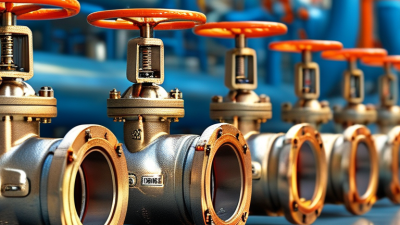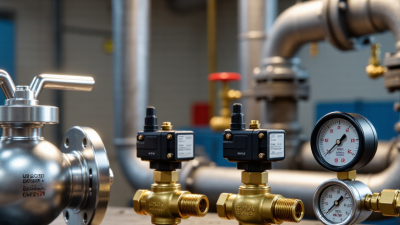
Choosing the right plug valve starts with the job it must perform, not just the pipe size. A valve in a clean-water line may face very different demands from one handling abrasive slurry or a corrosive chemical. The details matter. Pressure, temperature, flow direction, and operating frequency all affect the selection.
A useful review begins with the process conditions and the valve’s intended duty. Check the body and plug materials against the fluid, then confirm the pressure and temperature ratings in the manufacturer’s documentation. Port design also matters: a full-port model can reduce flow restriction, while a reduced-port design may suit a different layout. Consider how the valve will be operated, too. A hand lever may work well on an accessible line, but a remotely controlled system may need an actuator. What happens during maintenance? That question is easy to overlook.
There is no single plug valve that fits every application. For example, a valve that performs reliably with cool, clean water may not be suitable for a hot service containing suspended solids. Specifications can also look clear on paper while leaving out important operating details. Be prepared to revisit assumptions, especially when the fluid composition or duty cycle is uncertain. Compare the process data with verified product ratings, and consult the manufacturer or a qualified valve specialist when requirements are unclear. A careful match can support dependable shutoff, easier maintenance, and a longer service life. A rushed choice may do the opposite.
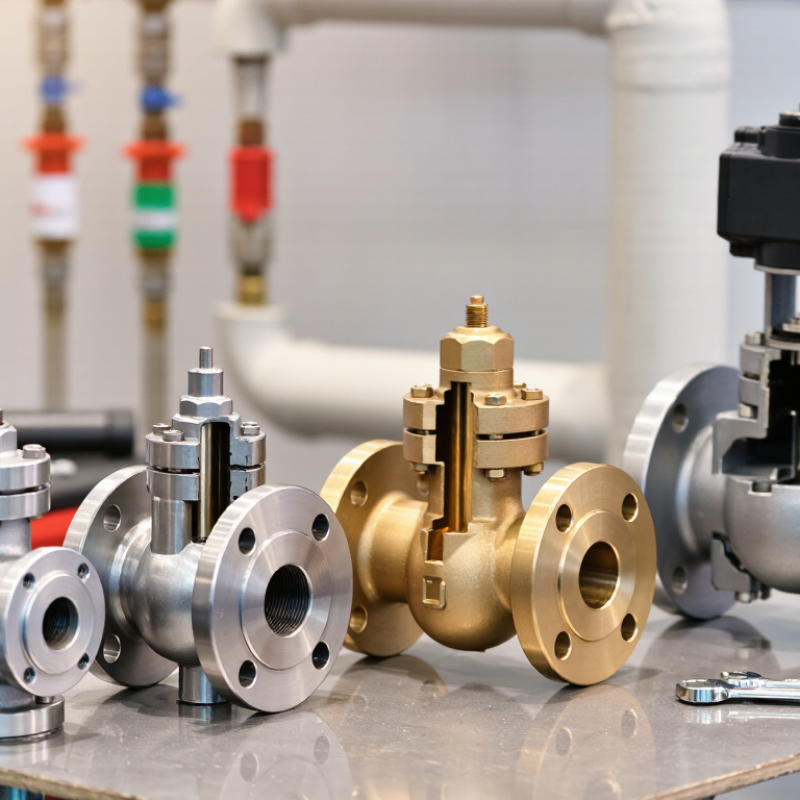
A plug valve controls flow with a cylindrical or tapered plug containing a passage. Turn the plug about a quarter-turn, and its opening lines up with the pipe. Turn it again, and the solid side blocks the passage. The motion is simple. The seal is not. Plug shape, surface finish, and operating conditions all affect how well the valve shuts off flow.
Main types include lubricated, non-lubricated, eccentric, and expanding plug valves. Lubricated designs use sealant between plug and body to reduce friction and help limit leakage. Non-lubricated models use sleeves or other sealing surfaces, which can suit services where routine sealant injection is undesirable. Eccentric plugs move away from the seat during opening, reducing rubbing. Expanding designs mechanically press sealing segments against the body when closed. Details vary by construction, so check the manufacturer’s technical data.
Match the type to the fluid, pressure, temperature, and how often the valve will operate. For example, abrasive particles may wear sealing surfaces, while a viscous fluid can make cleaning more important. Consider whether the valve needs tight shutoff, frequent cycling, or multiple flow paths. A compact valve can still be the wrong choice. I have seen selection discussions focus on pipe size alone; that shortcut misses the real service conditions. Verify materials, seat limits, and maintenance needs before specifying one.
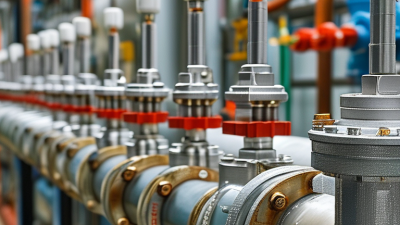
Before selecting a plug valve, define the highest and lowest pressures it will face. Include normal operating pressure, startup surges, and the pressure difference across the closed valve. A valve’s rating must suit the actual service conditions, not just the pressure shown on a routine operating screen. Check the manufacturer’s pressure-temperature data for the selected body and trim materials. Heat can reduce allowable pressure, while cold service may affect material suitability. The details matter.
Flow requirements need more than a pipe size. Record the fluid, expected flow range, and acceptable pressure drop. A full-port design may reduce restriction, while a reduced-port valve can change flow capacity. For liquids carrying grit or suspended solids, consider how the passage and sealing surfaces handle them. Not just peak flow. A valve sized around one ideal operating point may perform poorly when demand changes. It is tempting to add a large safety margin, but oversized equipment can create control problems and extra cost. Compare expected conditions with published flow data, and verify unusual or fluctuating service with a qualified valve specialist. Be precise, but leave room to question the assumptions.
Choosing a plug valve starts with the fluid, not pipe size alone. Check its composition, concentration, temperature, pressure, and suspended solids. A dilute acid and a concentrated acid may affect the same alloy very differently. Small changes matter.
Match every wetted part to the service. The body and plug need suitable corrosion resistance; stainless steel is not a universal solution. For abrasive slurry, consider wear on the plug and sealing surfaces, especially where particles can collect. Easy to miss. Review the fluid’s actual contaminants, too, rather than relying on its general name.
Sealing options also depend on operating conditions. PTFE sleeves suit many chemicals, but temperature and pressure limits must be checked. Elastomer seals require careful compatibility checks, since some fluids cause swelling or loss of elasticity. Metal-seated designs may be appropriate for demanding temperatures or abrasive service, though their shutoff performance can differ. Request material compatibility data for the exact fluid and operating range. I would verify the assumptions against real process conditions; a clean specification sheet may not capture occasional contamination.
Typical continuous temperature ranges for common plug-valve sealing materials
PTFE offers broad chemical resistance; EPDM is often considered for water and steam, while NBR and FKM are commonly used with oils and fuels. PEEK can suit higher-temperature or higher-pressure service. These approximate ranges vary by grade and design—confirm chemical compatibility, pressure, and temperature with the valve and seal specifications before selecting.
A plug valve is not chosen by size alone. Start with the fluid, operating pressure, and required flow. A full-port design keeps the opening close to the pipe’s inside diameter, which can reduce pressure loss and help pass viscous fluids. A reduced-port valve is often more compact, but its narrower passage may restrict flow. Solids can also collect near the port. Small details matter.
End connections must fit the piping layout and maintenance plan. Flanged ends allow removal for inspection, but need space for bolts and a gasket. Threaded connections suit some smaller lines, though repeated disassembly can wear the threads. Welded ends offer a compact joint, but make later removal harder. Check the pipe dimensions, pressure rating, materials, and available clearance against the valve documentation. A drawing can reveal a fit problem before installation.
Actuation should reflect valve size, operating frequency, and site conditions. A lever works for occasional manual operation. Larger valves may need a gear operator to reduce effort. Pneumatic or electric actuators suit remote or frequent cycling, but require suitable utilities and controls. Specify operating torque and any required fail position with the manufacturer. I would not assume a standard actuator will handle every service; actual torque can change with pressure, temperature, and fluid buildup.
When choosing a plug valve, verify its pressure rating, temperature range, end connections, and materials against the service conditions. API 599 covers metal plug valves with flanged, threaded, and welded ends; ISO 5208 specifies pressure testing for industrial valves. These standards help define fit and test requirements, but they do not replace checking chemical compatibility or the project specification. A mismatch can show up later as leakage, corrosion, or an unexpectedly stiff operating handle.
Maintenance needs vary with the fluid and valve design. Ask how the valve is lubricated, whether seals are replaceable in place, and how often inspection is recommended. For abrasive or residue-forming media, buildup around the plug may increase operating torque. Record torque and leakage during routine checks. Small details matter.
Total operating cost includes more than the purchase price: actuation, spare parts, inspection labor, energy, and downtime all count. The U.S. Department of Energy’s Operations & Maintenance Best Practices guide (2010) estimates predictive maintenance can save 8–12% over preventive maintenance and 30–40% over reactive maintenance. Those figures cover maintenance programs broadly, not plug valves specifically. Use them as context, not a promised valve-level saving. Compare realistic service intervals and the cost of an unplanned shutdown; a neat spreadsheet can still miss a difficult repair.
| Selection factor | Lubricated plug valve | Sleeved, non-lubricated plug valve | Eccentric plug valve | Multiport plug valve |
|---|---|---|---|---|
| Typical design | A tapered or cylindrical plug uses lubricant between the plug and body to aid sealing and reduce friction. | A sleeve or liner separates the plug from the body and provides the seating surface. | An offset plug moves away from the seat during opening, reducing rubbing contact through much of its travel. | A plug with multiple ports can direct flow between several connections; port arrangement depends on the valve design. |
| Common service considerations | Often considered for services where periodic lubrication is acceptable. Confirm lubricant compatibility with the process fluid and operating temperature. | Useful where a lubricated design is undesirable, provided the sleeve material is compatible with the fluid, temperature, and pressure. | Often selected for throttling or services involving solids, subject to the manufacturer’s specified flow and pressure limits. | Can combine flow-diverting or mixing functions in one valve. Check the porting diagram and allowable flow paths carefully. |
| Maintenance needs | May require periodic lubricant injection and inspection of injection fittings, seals, and operating torque. Interval depends on service and design. | Inspect the sleeve and sealing surfaces for wear, chemical damage, or deformation. Sleeve replacement may require valve disassembly. | Inspect the plug, seat, shaft, and actuator for wear or leakage; verify shutoff performance and operating torque. | Maintenance depends on the specific construction. Inspect port alignment, sealing surfaces, stem seals, and actuator operation. |
| Standards to check | API 599 covers metal plug valves; ASME B16.34 addresses pressure-temperature ratings and other requirements for valves; API 6D and ISO 14313 apply to pipeline valves when the valve is specified for that scope. Confirm the current edition, valve type, end connections, pressure class, and project specification before selection. | |||
| Operating-cost considerations | Include lubricant, labor, inspection, and any downtime associated with periodic servicing. | Include sleeve inspection and replacement, compatible spare-part availability, and the cost of isolation and disassembly. | Consider actuator energy or manual effort, inspection, seat or plug wear, and the consequences of leakage or downtime. | Compare the cost of one multiport valve with the piping, fittings, space, and maintenance needs of separate valves. |
| Total-cost profile | Cannot be ranked universally; service frequency, lubricant requirements, leakage risk, and maintenance access determine lifecycle cost. | Cannot be ranked universally; sleeve life, process compatibility, replacement labor, and spare-part costs are key factors. | Cannot be ranked universally; operating conditions, control requirements, wear rate, and downtime impact drive total cost. | Cannot be ranked universally; evaluate initial price alongside piping savings, flow-path flexibility, and maintenance complexity. |
| Before purchase | Confirm fluid composition, pressure, temperature, flow direction, required shutoff or throttling duty, end connections, materials, actuation, installation access, and applicable code or project requirements. Request service-specific maintenance guidance and compare lifecycle costs using the same assumptions. | |||
Note: Standards applicability and valve performance depend on the design, service conditions, and governing project requirements. Verify the latest applicable standards and obtain sizing and material recommendations for the intended service.
Accreditations
ISO 9001 Quality Management
HSE Management Compliant
Products and services comply with relevant Australian (AS) and international (ISO, etc.) Standards.
"*" indicates required fields