How to Find the Best CNC Milling Service in China?
Finding the right CNC Milling service in China requires more than comparing prices. A reliable partner must combine technical skill, stable quality, clear communication, and practical production experience. The cheapest quotation may hide tooling fees, inspection limits, or uncertain delivery dates. Look beyond the number.
A capable supplier should understand your drawings, materials, tolerances, surface finishes, and production goals. Ask how the team checks a 6061 aluminum housing or a stainless steel bracket after machining. Confirm whether they use calibrated tools, coordinate measuring machines, and documented inspection reports. Certifications such as ISO 9001 can support trust, but certificates alone prove little. Actual samples matter more. Request a trial part when the design is critical.
Communication also shapes the final result. A professional engineer should identify thin walls, deep pockets, sharp internal corners, or unrealistic tolerances before production begins. Clear design feedback can reduce scrap and prevent expensive revisions. Discuss lead times, packaging, payment terms, material traceability, and corrective actions in writing. Good suppliers welcome these questions.
Still, no manufacturer is perfect. Even experienced teams can miss a note or misunderstand a revision. I have learned that honest updates are more valuable than confident promises. Review factory videos carefully, but do not treat them as complete evidence. Verify capabilities through drawings, samples, inspection data, and customer references. This guide explains how to compare Chinese CNC Milling companies with a practical, risk-aware approach. Your goal is not merely to find capacity. It is to find a dependable partner that protects quality from prototype to repeat production.
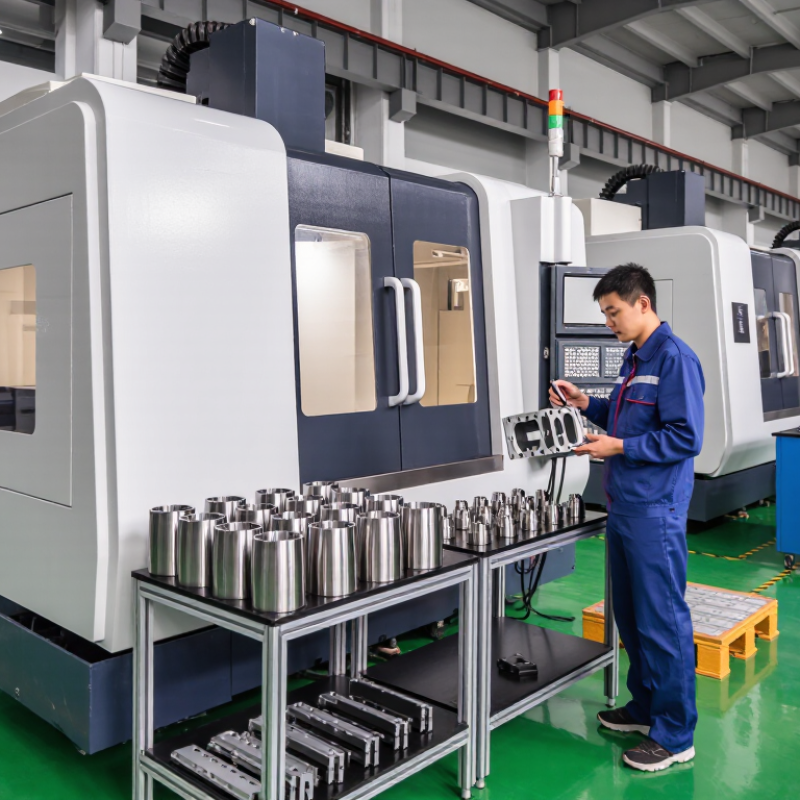
Define Your CNC Milling Requirements and Quality Standards
Finding the best CNC milling service in China starts with a precise definition of your requirements. Specify the material, part dimensions, annual quantity, and expected production schedule. Include a complete 2D drawing and a clean 3D CAD file.
Tolerances must be practical, not merely impressive. A ±0.01 mm tolerance may require additional inspections and higher costs.
Quality standards should cover more than dimensional accuracy. State the required surface finish, edge treatment, hardness, and flatness. Identify critical features with clear datums.
Ask how the supplier manages tool wear during repeated production. Inspection equipment matters, too. A coordinate measuring machine, calibrated gauges, and documented inspection records provide stronger evidence than verbal promises.
In project reviews, I have seen buyers overlook packaging and traceability. That mistake can damage accurate parts during delivery. Request material certificates, first-article reports, and batch identification when appropriate.
Confirm how nonconforming parts are isolated and corrected. Keep communication technical and written. Photos of the first machined samples can reveal burrs, tool marks, or clamping damage early.
Yet drawings are never perfect. I have revised unclear notes after receiving supplier feedback. That small correction often prevents expensive rework.
Compare Quotations, Lead Times, and Quality Control Processes
How to Find the Best CNC Milling Service in China?
A low quotation is not always the best value. Compare each quotation line by line. Check material grade, surface finish, tolerances, tooling, packaging, and shipping terms. Some suppliers exclude inspection or setup costs. That difference can appear late. Ask for a detailed price breakdown and confirm whether revisions are included. A supplier that explains assumptions clearly is often more reliable than one offering the lowest figure. I would also request recent sample photos and a brief explanation of machining experience with similar parts.
Lead time needs equal attention. Separate programming, production, inspection, and delivery time. Ask for a written schedule with milestone dates. A capable workshop should identify risks, such as difficult tolerances or limited material availability. Do not accept “fast delivery” without capacity evidence. A short promise may be optimistic. It may also hide rushed inspection.
Tips: Request a first-article inspection before full production. Review dimensional reports, material certificates, and surface-finish records. Confirm the measuring equipment, calibration status, and inspection frequency. For critical dimensions, ask whether operators use a coordinate measuring machine or suitable gauges. Require photos of labeled parts before shipment. Keep one approved sample as a reference. These small controls reduce misunderstandings, although they cannot replace clear drawings and practical tolerances.
How to Find the Best CNC Milling Service in China?
Compare quotation response speed, production lead times, and quality control coverage across common CNC milling project types. The figures below are indicative sourcing benchmarks and do not represent any specific company or brand.
A stronger supplier typically combines fast quotation feedback, predictable delivery, and documented inspection procedures such as first-article inspection, in-process checks, and final dimensional inspection.