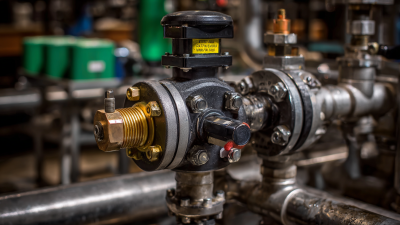
Understanding the Importance of Water Valves in Home Plumbing Systems
When it comes to home plumbing systems, one often overlooked yet critical component is the water valve. These essential devices serve as the control points for water flow, allowing homeowners to manage the distribution of water throughout their homes safely and efficiently. Understanding the importance of water valves can mitigate potential plumbing disasters and lead to cost savings on repairs and water bills. Without a properly functioning water valve, leaks, burst pipes, and water damage can quickly turn into overwhelming and expensive issues. In this discussion, we will explore the best types of water valves available, examining their functions, maintenance tips, and how they contribute to a more efficient plumbing system. From the simplest shut-off valves to more complex pressure-reducing variants, having a comprehensive understanding of water valves is crucial for any homeowner looking to maintain a reliable and functional plumbing infrastructure.

The Crucial Role of Water Valves in Home Plumbing: An Overview of Functionality and Types
Water valves are essential components in home plumbing systems, serving multiple critical functions that ensure the system operates effectively. These valves control the flow and pressure of water, enabling homeowners to manage their water supply conveniently. According to a report by the American Society of Plumbing Engineers, a well-maintained plumbing system, including properly functioning water valves, can decrease water usage by up to 15%, highlighting their significance not only for functionality but also for water conservation.
There are various types of water valves, each tailored to specific applications. For instance, gate valves are commonly used for on/off control and provide minimal flow resistance when fully open. Conversely, ball valves offer reliable shut-off capabilities and are favored for their durability and ease of use. A study conducted by the Plumbing Manufacturers International (PMI) revealed that upgrading to modern valve systems can enhance efficiency by 20-30%, demonstrating the importance of selecting the right type of valve for the intended purpose. Understanding these functionalities and types ensures that homeowners can maintain their plumbing systems effectively while optimizing water usage.
Key Statistics on Plumbing Issues Related to Valve Malfunctions in Households
Valves play a critical role in home plumbing systems, and understanding their importance is vital for homeowners. According to recent statistics, approximately 20% of plumbing issues reported in households can be traced back to valve malfunctions. These malfunctions often lead to significant water leaks, which can cause structural damage and contribute to mold growth. Homeowners may not realize that a small issue with a valve can escalate quickly, resulting in costly repairs and potential health hazards.
Moreover, the average homeowner experiences at least one plumbing issue related to valves every five years. This statistic emphasizes the need for regular maintenance and inspections of plumbing systems. In some cases, neglecting valve maintenance leads to decreased water pressure or even complete supply failure. Understanding the prevalence of these issues highlights the importance of being vigilant about valve conditions, ensuring timely replacements or repairs to maintain a safe and functional household plumbing system.
Comparative Analysis of Different Types of Water Valves and Their Efficiency
When it comes to home plumbing systems, the choice of water valves can significantly influence efficiency and reliability. A comparative analysis of various valve types reveals that ball valves, gate valves, and globe valves each have unique characteristics that cater to different needs. According to the American Society of Plumbing Engineers (ASPE), ball valves are often favored for their durability and low flow resistance, making them about 90% more efficient than traditional gate valves in larger applications. This efficiency is pivotal in reducing water wastage, contributing to overall water conservation efforts.
On the other hand, globe valves are known for their ability to regulate flow more precisely, offering a 20% greater control efficiency compared to gate valves, as noted in PennWell Corporation’s report on plumbing technology. However, they tend to create more pressure loss due to their design. Gas and Water Services, Inc. highlights that choosing the right valve type not only affects water pressure and flow rates but also influences maintenance costs, as certain valves may require more frequent servicing and replacement. Ultimately, understanding these nuances helps homeowners make informed decisions about their plumbing systems, enhancing functionality and sustainability.
Future Trends in Water Valve Technology and Their Impact on Home Plumbing Systems
As the plumbing landscape continues to evolve, future trends in water valve technology are set to significantly impact home plumbing systems. The introduction of
smart water valves illustrates this shift, enabling homeowners to monitor and manage their water usage through mobile applications.
According to a report by MarketsandMarkets, the global market for smart water systems is expected to grow from $22 billion in 2020 to over
$31 billion by 2025, reflecting a compound annual growth rate (CAGR) of 7.6%. These advancements not only promote efficiency but also contribute
to sustainable water management practices.
Moreover, the integration of IoT technology in water valves enhances their functionality. Smart valves can automatically adjust flow rates and
detect leaks, thus minimizing water waste and preventing costly damage. A study by Frost & Sullivan highlights that adopting intelligent water management
solutions could reduce water consumption by up to 30% in residential areas. This transition towards smart, automated systems underlines the
growing significance of innovative water valve technologies, empowering homeowners to take control of their plumbing systems while addressing environmental concerns.