Why Invest in Pipe Cleaning Machines for Effective Maintenance?
Maintaining clean pipes is crucial for operational efficiency in various industries. A well-maintained piping system can save significant maintenance costs. The global market for Pipe Cleaning Machines has grown rapidly, driven by increased industrialization. According to recent industry reports, the demand for these machines is projected to rise by 5% annually.
Pipe Cleaning Machines not only enhance performance but also prolong the lifespan of piping systems. Regular cleaning can prevent costly breakdowns, with one study noting that 25% of mechanical failures stem from dirty pipes. Investing in advanced pipe cleaning technology is essential for businesses that want to reduce downtime and maximize productivity.
While the initial investment in Pipe Cleaning Machines may seem substantial, the long-term benefits often outweigh the costs. Companies can experience improved efficiency and lower operational risks. However, the challenge remains for some firms to recognize the importance of proactive maintenance. Ignoring this can lead to more significant issues down the line, making it vital to prioritize regular pipe cleaning as part of an effective maintenance strategy.
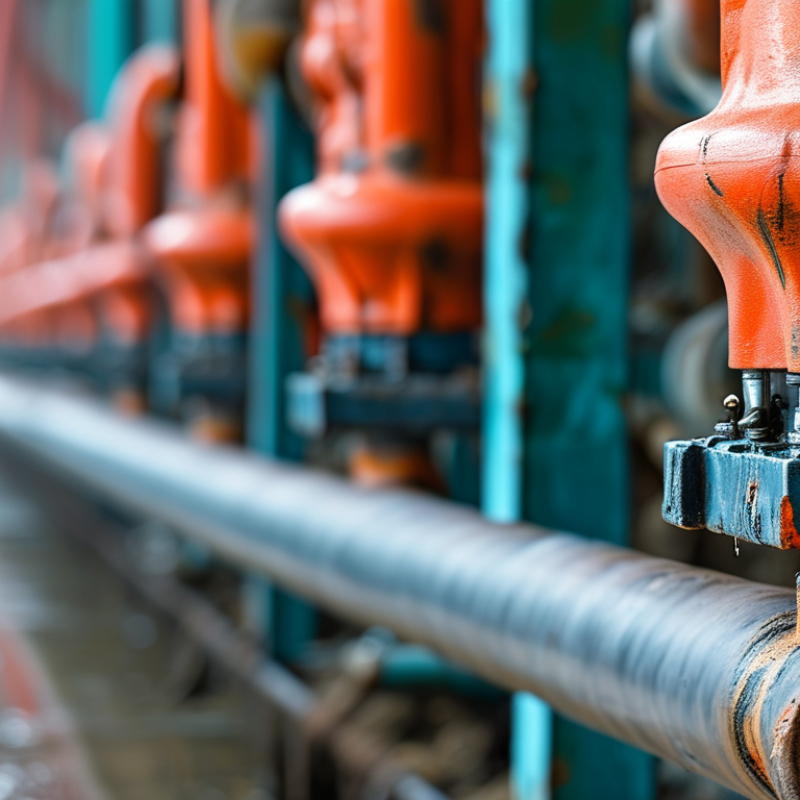
The Importance of Regular Pipe Maintenance in Various Industries
Regular pipe maintenance is essential in various industries to prevent costly disruptions. Over time, debris and buildup can accumulate in piping systems, leading to blockages. These issues can result in decreased efficiency and potential safety hazards. Organizations should recognize the importance of scheduling routine cleanings.
In sectors like manufacturing, healthcare, and food services, maintaining clean pipes is critical. Contaminants in pipes can lead to product contamination. Consequently, businesses risk health violations and could face legal repercussions. Additionally, ignored maintenance can create downtime that affects productivity.
Investing in pipe cleaning machines is a practical step towards addressing these concerns. Properly maintained pipes enhance operational efficiency and reliability. However, the reality is that some companies underestimate this need. They often prioritize other expenditures, overlooking long-term consequences. Regular assessments and investments in maintenance can save significant costs and ensure smoother operations.
Understanding the Types of Pipe Cleaning Machines Available on the Market
When considering pipe maintenance, choosing the right cleaning machine is crucial. The market offers different types, including hydro jetters, mechanical snakes, and pneumatic tools. Each machine serves distinct purposes. Hydro jetting uses high-pressure water to clear clogs. This method is effective for grease, roots, and heavy debris. Reports indicate that hydro jetting improves flow rates by up to 70%.
Mechanical snakes are often used for less severe blockages. These devices have flexible cables with blades that cut through obstructions. They are portable and cost-effective. However, they may not handle tough clogs effectively and can cause pipe damage if misused. Their effectiveness largely depends on user technique and pipe condition.
Pneumatic tools are another option, employing air pressure to remove blockages. They require proper training to operate. While they perform well, their high initial investment can deter users. Industry data suggests that proper training can reduce accidents by 30%. Analyzing machine types helps ensure optimal maintenance. Understanding strengths and limitations is essential for effective use.
Why Invest in Pipe Cleaning Machines for Effective Maintenance?
| Type of Pipe Cleaning Machine | Application | Ideal Pipe Size | Advantages |
| Hydro Jetting | Heavy-duty cleaning | 3-24 inches | Highly effective for removing stubborn blockages |
| Drain Snakes | General pipe cleaning | 2-6 inches | Cost-effective and easy to operate |
| Pipe Inspection Cameras | Inspection and diagnostics | Varied | Visual assessment of pipe conditions |
| Rotary Machine | Removing roots and tough buildups | 3-10 inches | Powerful cutting tools for effective cleaning |
| Chain Flailers | Commercial-grade cleaning | 4-12 inches | Ideal for large diameter pipes |
Key Benefits of Investing in Pipe Cleaning Equipment for Facilities
Investing in pipe cleaning equipment can greatly enhance facility maintenance. Clean pipes reduce the risk of clogs and backups. This leads to fewer disruptions in operations, which is crucial for any business. Regular maintenance becomes less of a hassle, allowing teams to focus on their core tasks. Effective pipe cleaning machines ensure that hard-to-reach areas are addressed, something manual cleaning often misses.
The long-term cost savings are significant as well. A clogged pipe can lead to costly repairs and even downtime. Investing in high-quality cleaning machines can prevent these issues. Imagine the peace of mind that comes from knowing your facility's plumbing is in top shape. Regular cleaning extends the life of your piping system, which is an overlooked aspect in many facilities.
However, not every facility recognizes the need for such equipment. Some may hesitate due to initial costs or fear of complexity. A reflection on past experiences may reveal the importance of investing in prevention. Establishing a routine maintenance plan using proper equipment can transform a facility’s operation, ultimately leading to a more reliable plumbing system. Taking that step is where true efficiency begins.
Factors to Consider When Choosing a Pipe Cleaning Machine
When selecting a pipe cleaning machine, several factors play a critical role. Consider the type of pipes you will work on. Different materials and diameters require specific machines to ensure effective cleaning. For example, flexible options work well for curves, while rigid models suit straight pipes. Understanding your needs is vital for making the right choice.
Power and efficiency also matter significantly. Machines vary in power, affecting their cleaning strength and time efficiency. A powerful machine can tackle tough blockages effectively. Look into energy consumption as well. Efficient models save cost in the long run. Another critical factor is portability. A lightweight design enhances maneuverability, especially in tight spaces.
Lastly, maintenance and availability of parts are often overlooked. Ensure that replacement parts are readily available. Machines that are hard to maintain can lead to frustration down the line. Even the best technology may require occasional repairs. Assessing these factors helps to make an informed decision, ensuring your investment lasts. Each choice impacts overall efficiency and cost-effectiveness.
Cost-Effectiveness and Long-Term Savings from Proper Pipe Maintenance
Investing in pipe cleaning machines is a decision rooted in both cost-effectiveness and long-term savings. Research indicates that companies that regularly maintain their pipelines can reduce repair costs by up to 30%. Regular maintenance prevents blockages and structural damage, extending the life span of pipe systems significantly. A proactive approach leads to less downtime, allowing operations to function smoothly.
Data from industry reports show that approximately 75% of pipeline failures result from insufficient maintenance. This statistic validates the importance of using effective cleaning machines. By ensuring pipes are kept clear, facilities can avoid costly emergencies that disrupt services. The initial investment in cleaning technology often pays off within years through reduced operational costs and maintenance expenses.
However, organizations must address the challenge of adopting new machines. Employees often resist change, fearing that unfamiliarity may lead to mistakes. This is a valid concern. Investing in proper training ensures that the technology is utilized effectively. When teams understand the importance and functionality of cleaning machines, the benefits become clear. An informed workforce is crucial for maximizing these investments and ensuring the longevity of pipe infrastructure.