
A Paper Food Box Machine forms flat paperboard blanks into containers for takeaway meals, bakery items, snacks, and other food products. Depending on its design, it can crease, fold, glue, and press each box into shape. The result is a stack of lightweight containers, ready for filling and packing. Some machines handle several box styles; others are built for one format and a steady production run.
The machine’s value is practical. It can produce consistent dimensions, reduce repetitive handwork, and help manufacturers meet changing order volumes. Operators still need to select suitable paperboard, set the machine correctly, and check finished boxes for clean folds and secure seams. Small errors matter. A loose corner can leak sauce, while a poor crease may slow packing. The machine helps, but it does not replace careful setup or inspection.
As the supplied material includes no source for a named industry expert’s quotation, this introduction does not invent one. That matters: expert names and direct quotes should be verifiable before publication. A useful question remains: how well does the machine match the product, board thickness, and daily output required? Buyers should compare those details, not rely on speed figures alone. Real production conditions can be less tidy than a brochure suggests. A trial run can reveal jams, waste, or awkward changeovers before a purchase decision.
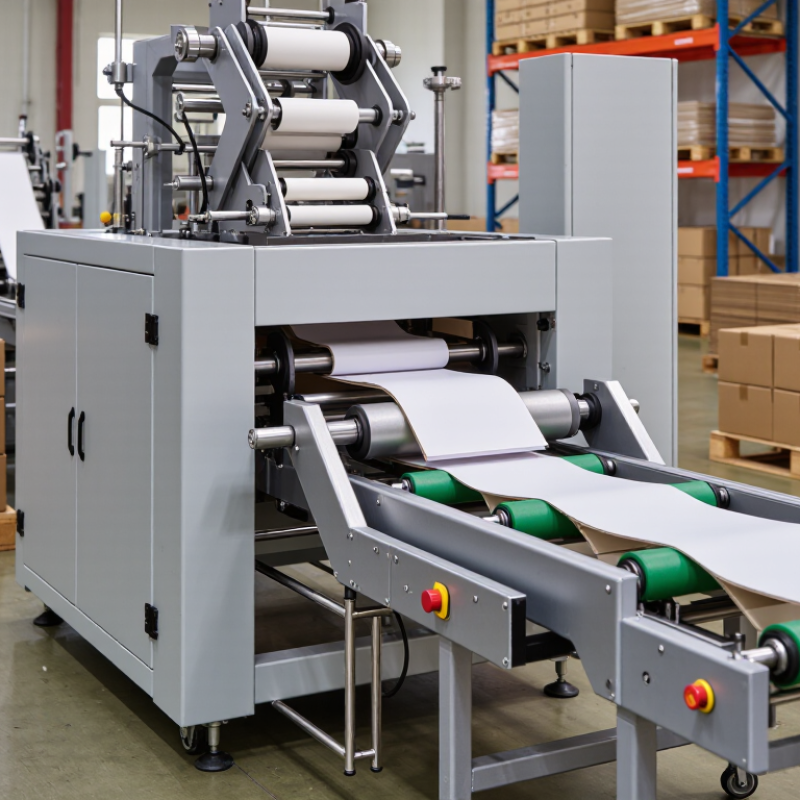
A paper food box machine is equipment that forms flat paperboard blanks into containers for meals, snacks, and takeaway orders. It may fold, press, and bond the material, depending on its design. Some machines process pre-cut blanks; others include additional feeding or cutting functions. The finished box can have a familiar shape: a flat base, upright sides, and folded corners. Simple in appearance, but the folds must line up.
During production, the machine guides each blank through forming stations. Operators set the box dimensions and adjust pressure, speed, and, where relevant, adhesive or heat. The right settings depend on the paperboard and box style. A small misalignment can leave a corner loose or make the lid fit poorly. The process is not perfectly hands-off. Staff still need to inspect samples, clear jams safely, and watch for uneven folds. Not every machine handles every design.
These machines help produce containers consistently and in higher volumes than hand-folding. For food packaging, the material and any coating should suit the intended use; the machine alone does not make a box suitable for every food. A practical check is to fill a sample box, close it, and look for leaks, weak seams, or crushed edges. That step takes time, but skipping it can be costly.
A paper food box machine turns flat paperboard blanks into open trays, clamshells, or takeaway cartons. Most machines begin with a stack of pre-cut blanks, rather than forming a box from raw paper. Suction cups lift each blank, and feed rollers guide it into position. Sensors check alignment. Small details matter.
Folding rails bend the side panels and tabs along scored lines. Depending on the box design, the machine applies adhesive or locks tabs mechanically. A forming station presses the folded board against a mold, holding its corners in shape while the bond sets. Finished boxes then move to a collection area for counting and inspection. A skewed blank or uneven glue line can cause jams, so operators adjust guides, pressure, and feed speed for each board grade. The process is fast, but not perfectly forgiving.
PMMI’s 2023 State of the Industry report recorded US packaging machinery shipments of $10.9 billion in 2022, up 13% from 2021. That figure reflects broad machinery demand, not paper food box machines alone. It also points to why repeatable feeding and forming matter on busy production lines. Still, a clean-looking box is not proof of performance: board stiffness, moisture, scoring, and adhesive all affect whether it holds its shape. Then the cycle repeats.
| Dimension | What It Means | Typical Details |
|---|---|---|
| Main purpose | Manufacturing disposable paperboard containers for food service and takeaway packaging. | Used to make items such as meal boxes, lunch boxes, noodle containers, trays, and folding cartons. |
| Typical input material | Food-contact paperboard or paperboard blanks prepared for converting. | Stock may be plain or printed and may include a suitable grease- or moisture-resistant barrier, depending on the intended food and packaging design. |
| Common machine formats | Equipment varies according to the container shape and production method. | Some machines form boxes from pre-cut blanks; others use roll-fed paperboard or perform several converting steps in a production line. |
| Step 1: Material feeding | The machine supplies paperboard to the forming section. | A blank-fed model picks up and positions individual blanks. A roll-fed system unwinds and guides a continuous web. |
| Step 2: Cutting and creasing | The packaging shape and fold lines are created. | Depending on the machine setup, blanks may already be die-cut and creased, or cutting and creasing may take place upstream in the converting line. |
| Step 3: Folding and forming | Panels are folded into the container’s base and side walls. | Guides, forming tools, and mechanical or pneumatic movements shape the board according to the box design. |
| Step 4: Sealing and bonding | Overlapping edges and corners are secured to help the box hold its shape. | Depending on the design, the machine may use food-packaging-approved adhesive, heat sealing for compatible coated board, or mechanical locking features. |
| Step 5: Ejection and stacking | Finished containers are released from the forming station and collected. | Depending on the equipment, boxes may be counted, stacked, bundled, or transferred to a separate packing station. |
| Common applications | Packaging for prepared foods and food-service operations. | Takeaway meals, bakery products, snacks, fried foods, and other foods suited to the chosen board and barrier specification. |
| Key quality checks | Checks help confirm consistent forming and fit-for-purpose packaging. | Operators commonly inspect dimensions, crease alignment, corner and seam integrity, cleanliness, stacking, and the suitability of materials for the intended food contact and use. |
| Factors affecting output | Production capacity depends on the specific machine and packaging job. | Box size and shape, material properties, feeding method, forming cycle, changeovers, operator setup, and required quality checks can all affect production rate. |
A paper food box machine can produce several styles, depending on its forming tools, paperboard, and folding method. Common products include takeaway clamshell boxes for burgers, sandwiches, and fried foods. The hinged lid keeps the meal together during short trips. Small details matter: a loose corner can let sauce escape.
Machines can also form open-top trays for fries, pastries, or ready-to-eat meals. Some setups make compartment boxes, separating rice, vegetables, and a main dish without extra containers. Noodle and rice boxes often use a folded, tapered shape that stands upright on a counter. Bakery formats include shallow boxes for slices and sturdier cartons for cupcakes or small cakes. Not every machine handles every shape. Tooling changes and board thickness can limit the available sizes.
The finished box may use plain paperboard or a food-contact coating selected for its intended contents. A greasy meal needs different protection from a dry pastry. Operators should check how the box holds its shape when filled, stacked, and carried. Even a neat sample can soften after contact with steam. That part is easy to overlook. A practical trial with the actual menu items can reveal weak folds, awkward lids, or portions that simply do not fit.
Paper food box machines are mainly used in packaging-conversion plants, where printed or coated paperboard is cut, creased, folded, and formed into takeaway boxes. Their customers include restaurants, bakeries, cafés, supermarkets, caterers, and meal-preparation businesses. A bakery may need shallow boxes for pastries, while a delivery kitchen often needs sturdier containers that hold their shape during transport. Machine settings and box designs vary with food weight, moisture, and serving style.
The National Restaurant Association’s 2024 State of the Restaurant Industry report projected U.S. restaurant sales of $1.1 trillion that year. That figure shows the scale of the food-service market, but it does not measure paper-box use or machine installations directly. That distinction matters. Restaurants usually order finished packaging rather than operate box-forming equipment themselves. The machines are more commonly installed by packaging manufacturers supplying food businesses, though some large central kitchens may produce boxes in-house. Not usually onsite. In practice, buyers consider production speed, box dimensions, and whether the material can handle hot or oily food. A fast machine is not automatically the right choice; poor sizing can waste board and create boxes that do not close cleanly.
A paper food box machine forms flat paperboard into trays, cartons, and takeaway boxes. Its suitable applications depend on the package, material, and production environment. A shallow tray for pastries has different needs from a leak-resistant box for saucy meals. Fit matters. Paper grade and coating affect stiffness, folding, and resistance to moisture or grease. Serving temperature also matters; a box for hot food may need different material performance than one for dry snacks. Box dimensions and fold design influence whether containers stack neatly and close securely.
Output targets matter too. A high-speed line may suit large, repeat orders, while smaller runs may need easier changeovers. A specification sheet can look reassuring, yet real samples sometimes reveal weak corners or awkward lids. That is worth checking early.
Tips: Run samples using the intended paperboard and food type. Check folded edges, lid fit, and how boxes stack after forming. Test first. Record rejects and change one setting at a time; otherwise, the cause of poor folds may stay unclear. Also confirm that the chosen materials meet applicable food-contact requirements.
Accreditations
ISO 9001 Quality Management
HSE Management Compliant
Products and services comply with relevant Australian (AS) and international (ISO, etc.) Standards.
"*" indicates required fields