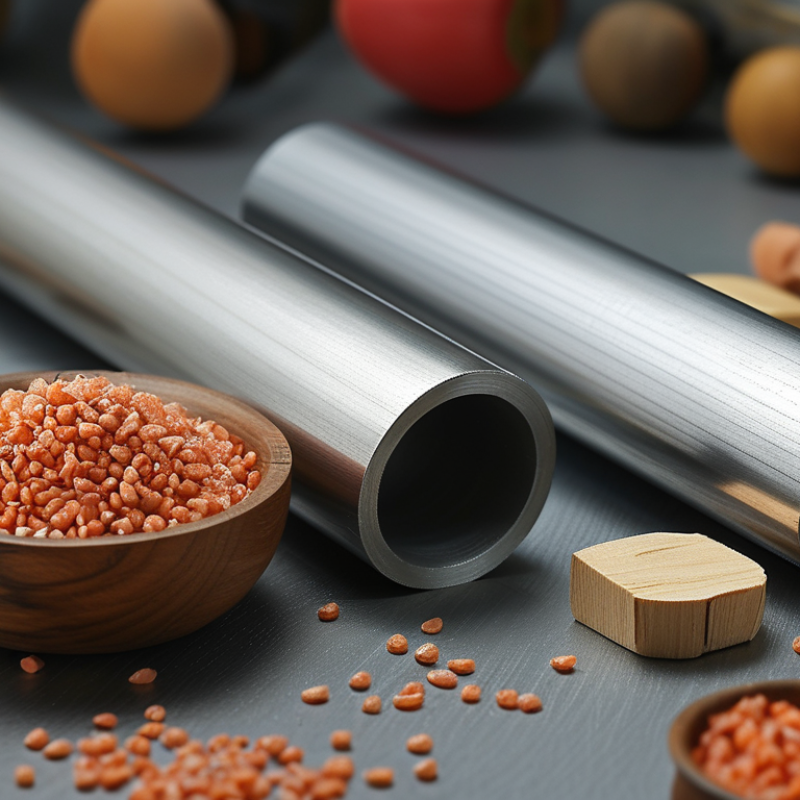
Top Quality 304 Stainless Steel Raw Materials for Global Buyers?
In the ever-evolving world of manufacturing, "304 Stainless Steel Raw Materials" play a crucial role. Renowned expert, Dr. Emily Zhang, states, "The quality of raw materials directly influences product durability." This highlights the significance of sourcing top-quality 304 stainless steel.
Around the globe, buyers seek reliable suppliers. 304 stainless steel is favored for its resistance to corrosion and high temperatures. Its applications range from kitchen appliances to construction materials. However, not all suppliers meet the industry's quality standards. Buyers must remain vigilant.
As the demand for 304 stainless steel increases, scrutiny must intensify. Mistakes can lead to subpar products and losses. It’s essential to evaluate suppliers carefully. Investing time in research can pave the way for successful purchases in this critical industry.
Overview of 304 Stainless Steel: Properties and Applications
304 stainless steel is one of the most widely used materials in various industries. Known for its excellent corrosion resistance, it is ideal for food processing, chemical handling, and architectural applications. According to a report by the International Stainless Steel Forum, 304 stainless steel accounts for around 60% of all stainless steel produced globally. Its unique properties, such as a tensile strength of approximately 520 MPa and a yield strength of about 215 MPa, make it a reliable choice for engineers and manufacturers.
In addition to its strength, 304 stainless steel offers excellent weldability and formability. This versatility allows it to be easily molded into different shapes, making it suitable for kitchen equipment, storage tanks, and piping systems. However, despite its many advantages, 304 stainless steel is not without its challenges. It can be susceptible to pitting corrosion in chloride environments, which requires careful material selection and surface treatment in coastal or marine applications.
Environmental considerations are increasingly influencing the choice of materials. While 304 stainless steel is recyclable, its production contributes to carbon emissions. Data from the World Steel Association indicates a growing demand for more sustainable practices in steel production. As the market evolves, the focus on developing lower-carbon alternatives is becoming critical, posing an ongoing challenge for the industry.
Key Benefits of Using 304 Stainless Steel for Manufacturing
304 stainless steel is a popular choice for many manufacturers. Its versatility makes it suitable for various applications. One significant advantage is its corrosion resistance. According to the American Iron and Steel Institute, this alloy can withstand many corrosive environments. This quality is essential in industries like food processing and pharmaceuticals.
Another benefit is the material's excellent fabricability. 304 stainless steel can be easily welded and formed. This flexibility allows manufacturers to create intricate designs without sacrificing structural integrity. Further, research by the International Stainless Steel Forum highlights that 304 stainless steel maintains its strength even at elevated temperatures. This reliability is crucial for applications in high-heat environments.
However, there are some considerations. 304 stainless steel is not suitable for all environments. It may suffer from pitting in chloride-rich settings. Additionally, the alloy's durability can lead to higher costs compared to non-stainless options. Manufacturers must weigh these factors against the long-term benefits of using this alloy. Making informed decisions about material selection is vital for successful outcomes.
Key Benefits of Using 304 Stainless Steel
Global Suppliers of High-Quality 304 Stainless Steel Raw Materials
When sourcing high-quality 304 stainless steel raw materials, global buyers must consider several key factors. Quality assurance is critical. Look for suppliers that provide certifications and transparent quality control processes. The 304 grade is renowned for its corrosion resistance and durability. Buyers should ensure that suppliers adhere to international standards.
Communication with suppliers is essential. Establish clear expectations regarding delivery times, pricing, and product specifications. Global suppliers often have different regional regulations. Understanding these can help avoid potential pitfalls. Buyers should also be wary of fluctuating market prices, which can influence material costs unexpectedly.
Tip: Compare multiple suppliers. Don’t settle for the first quote you receive. Research and make informed decisions.
Always check the supplier’s reputation. Look for reviews or testimonials from previous clients. Reliable suppliers are often willing to share success stories to build trust. However, be prepared for inconsistencies. Not every supplier will meet your expectations. Attention to detail when discussing contracts can save future misunderstandings.
Tip: Establish a trial order. This can help in assessing the quality and reliability of the supplier before committing to larger purchases.
Quality Standards and Certifications for 304 Stainless Steel Products
When it comes to selecting top quality 304 stainless steel, quality standards play a pivotal role. According to the International Organization for Standardization (ISO), 304 stainless steel must meet specific composition criteria. Typically, it should contain 18% chromium and 8% nickel. This balance ensures corrosion resistance and durability.
Certifications like ASTM A240 and ASTM A276 establish benchmarks for 304 stainless steel products. These standards verify mechanical properties and chemical compositions. For instance, tensile strength should average around 70,000 psi. It is important for buyers to check these certifications, ensuring they are purchasing compliant materials.
However, variations can occur between different suppliers. Not all products marketed as 304 stainless steel meet these rigorous standards. Some may fall short in nickel content, affecting overall performance. Buyers need to remain vigilant and perform due diligence. Engaging with reliable sources and requesting test certificates can mitigate risks associated with subpar materials.
Market Trends and Demand for 304 Stainless Steel Worldwide
The demand for 304 stainless steel is rising globally. This alloy is known for its excellent corrosion resistance and strength. Industries such as construction, automotive, and food processing rely heavily on 304 stainless steel. Buyers are becoming more discerning, seeking high-quality materials that meet their specific needs.
Market trends indicate a growing emphasis on sustainable sourcing. Buyers are increasingly interested in how materials are produced. They prefer suppliers who adhere to environmental regulations. This shift in focus can lead to better products but also complicates the purchasing process. Buyers must verify the claims made by suppliers.
When selecting 304 stainless steel, consider the supplier's reputation. Investigate their certifications and industry standards. Request detailed specifications and check for previous customer feedback. Prioritize reliability and transparency in your supply chain. Exploring multiple options can save time and costs in the long run. Adaptability and awareness of local market dynamics are crucial for making informed choices.