What is Screw Fasteners and How to Choose the Right Type?
Screw fasteners play a critical role in various industries, providing essential connections in mechanical systems. According to a recent report by Grand View Research, the global screw fasteners market is projected to reach $90 billion by 2026, highlighting its growing importance. These fasteners are used in construction, automotive, electronics, and many more sectors. Choosing the right type of screw fastener can impact performance, safety, and durability.
Industry expert Dr. John Stevens, a leading mechanical engineer, states, “Selecting the correct screw fastener ensures optimal integrity of assembly.” His words emphasize the need for careful consideration when it comes to these essential components. Factors such as materials, coatings, and thread specifications are critical to achieving desired outcomes.
The landscape of screw fasteners is complex, and it's easy to overlook minor details. A wrong choice can lead to failures or increased maintenance. Thus, understanding different types of screw fasteners and their applications is crucial. Continuous learning and application of best practices are essential for professionals in this field.
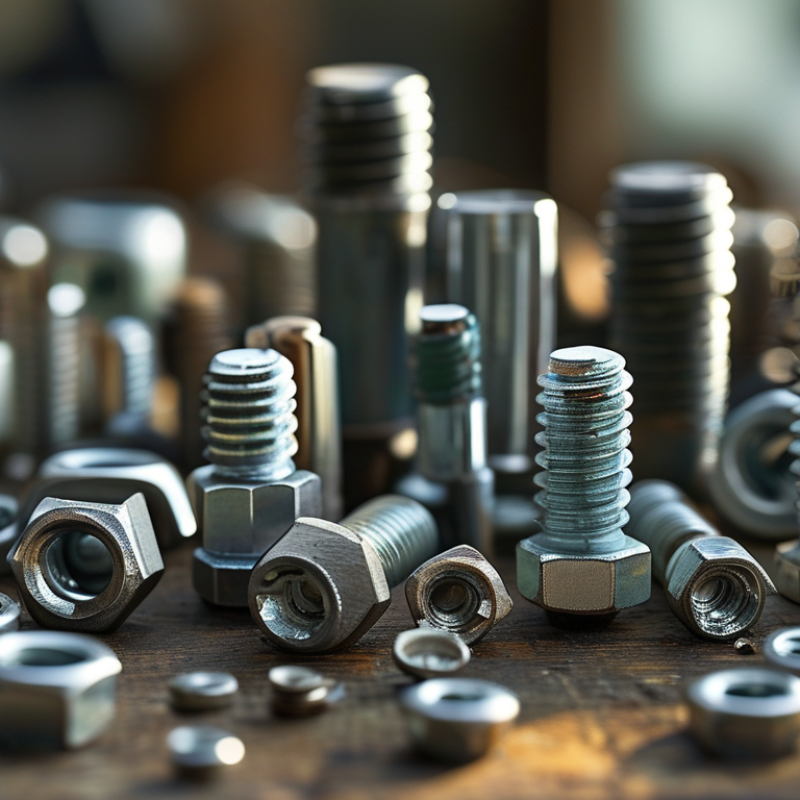
Understanding Screw Fasteners: Definition and Types
Screw fasteners are essential components in construction and manufacturing. They secure various materials by creating a strong bond. Understanding the definition and types of screw fasteners can help you make informed choices.
There are several types of screw fasteners. Wood screws, for instance, are designed for wood applications. They have coarse threads to grip securely. Machine screws, on the other hand, are used in metal projects. They often require a nut or a threaded hole. Self-tapping screws can create their threads. Their versatility makes them popular among DIY enthusiasts.
Choosing the right screw fastener can be challenging. Many factors influence this decision. The material type plays a critical role. For example, rust-resistant screws are crucial for outdoor use. Additionally, the length and diameter of the screw must match the materials being joined. Don’t overlook the importance of the drive type, as it affects the ease of installation. It’s worth experimenting with different types to find what works best for your specific needs.
Screw Fasteners Types and Their Common Applications
Common Applications of Screw Fasteners in Various Industries
Screw fasteners serve crucial roles across numerous industries, providing solutions for assembly and construction tasks. In the automotive sector, these fasteners secure various components, ensuring vehicles meet safety standards. A well-chosen screw type can significantly enhance durability in high-vibration environments. The common use of stainless steel screws in automotive applications illustrates their resistance to corrosion.
In construction, screw fasteners are integral for joining materials such as wood and metal. People often overlook the impact of using the right screw size or thread type. An improper choice can lead to weak joints, demanding rectification which is both time-consuming and costly. For example, wood screws should have coarse threads to grip better in soft materials.
The electronics industry relies heavily on smaller screw types for assembling delicate components. Often, users neglect the importance of torque settings, potentially leading to stripped threads. Attention to detail here is crucial; even minor errors can compromise device functionality. Engaging with professionals or consulting technical resources can provide invaluable insights into selecting the appropriate screw fastener for your specific needs.
Factors to Consider When Choosing the Right Screw Fastener
When selecting the right screw fastener, a few critical factors come into play. The material of the screw can significantly affect its performance. Common materials are stainless steel, carbon steel, and brass. According to a recent industry report, over 45% of users prefer stainless steel for its corrosion resistance. This choice ensures durability, particularly in outdoor applications. However, carbon steel is often favored for indoor projects where moisture is not a concern.
Another crucial aspect is the screw's head type. Options such as flat, pan, or socket heads each have unique advantages. A study from the Fastener Industry Research Institute indicated that over 35% of construction experts chose pan heads for their ease of driving and increased contact area. This detail can lead to better torque during installation. Users should also consider the thread type—fine threads provide greater holding power, while coarse threads are better for soft materials.
Finally, not all screws fit every application. Users often overlook compatibility issues with their substrates. Choosing the wrong type can lead to stripped threads or even screw failure. Industry data shows that around 25% of project failures stem from improper fastener selection. Therefore, taking the time to understand these factors can prevent costly mistakes and enhance project longevity.
What is Screw Fasteners and How to Choose the Right Type? - Factors to Consider When Choosing the Right Screw Fastener
| Screw Type | Material | Head Style | Drive Type | Use Case |
| Wood Screws | Steel | Flat Head | Pozidriv | Joining wood pieces |
| Sheet Metal Screws | Stainless Steel | Hex Head | Phillips | Metal joining |
| Self-Tapping Screws | Galvanized Steel | Round Head | Torx | Concrete and masonry |
| Lag Screws | Brass | Square Head | Hex | Heavy-duty applications |
| Anchor Screws | Plastic/Nylon | Countersunk | Slotted | Hollow walls |
Comparative Analysis of Different Screw Fastener Materials
When choosing screw fasteners, material selection is crucial. Different materials offer distinct advantages and disadvantages. Steel is a popular choice due to its strength and cost-effectiveness. However, it can rust, which may not suit all environments. Stainless steel resists corrosion, making it ideal for outdoor and marine applications. But, it often comes at a higher price.
Brass fasteners provide excellent conductivity and aesthetic appeal. They resist rust but may not be as strong as steel. Plastic screws are lightweight and resistant to certain chemicals. Yet, they may not handle heavy loads. Each material offers unique benefits, but may also have drawbacks. Users should consider factors like environmental exposure, load requirements, and budget constraints when selecting a screw fastener.
Understanding these pros and cons helps in making informed decisions. Sometimes, users overlook material properties. This can lead to unexpected failures or a shorter lifespan of the fastener. Users are encouraged to reflect on their specific applications. A thorough evaluation before purchasing is recommended for optimal results.
Maintenance Tips for Ensuring Longevity of Screw Fasteners
Screw fasteners play a vital role in construction and machinery. Choosing the right type is essential, but maintenance is equally important. Regular maintenance can extend the longevity of these fasteners significantly. Over time, dirt and debris can accumulate, which may lead to rust and corrosion. A simple cleaning routine can prevent this.
Use a soft brush to remove any particles. Follow with a damp cloth to wipe away remaining dust. If installed in areas prone to moisture, consider applying a protective coating. This can create a barrier against rust. It’s also crucial to check for signs of wear regularly. Loose screws can compromise structural integrity. Retightening them can ensure a secure fit.
Another area for reflection is the storage of screw fasteners. Keeping them in a dry, temperature-controlled environment can prevent damage. If stored improperly, screws can corrode even before use. Sometimes, fasteners may be overlooked during maintenance inspections. Being meticulous can save time and money in the long run. Regular checks allow for a proactive approach to maintenance.