What is Solar Panel Roof Mount and How Does It Work?
The solar panel roof mount is an essential component in the renewable energy landscape. According to the International Energy Agency (IEA), solar energy capacity has surged by 45% in the last year alone. This growth highlights the increasing demand for efficient energy solutions. A well-installed solar panel roof mount maximizes sunlight exposure, providing homeowners with sustainable energy.
Understanding how solar panel roof mounts work is pivotal for homeowners considering this investment. They are designed to hold solar panels securely, optimizing angle and orientation. However, choosing the right mounting system requires careful consideration of various factors, such as roof type and local climate. The Solar Energy Industries Association (SEIA) reports that effective installation can increase energy generation by up to 30%.
Despite their benefits, not all installations ensure peak performance. Issues like improper angles or shading can hinder energy output. Homeowners must engage with experienced professionals to avoid these pitfalls. Thoughtfully implemented, the solar panel roof mount can transform homes into energy-efficient powerhouses while helping to combat climate change.
What is a Solar Panel Roof Mount?
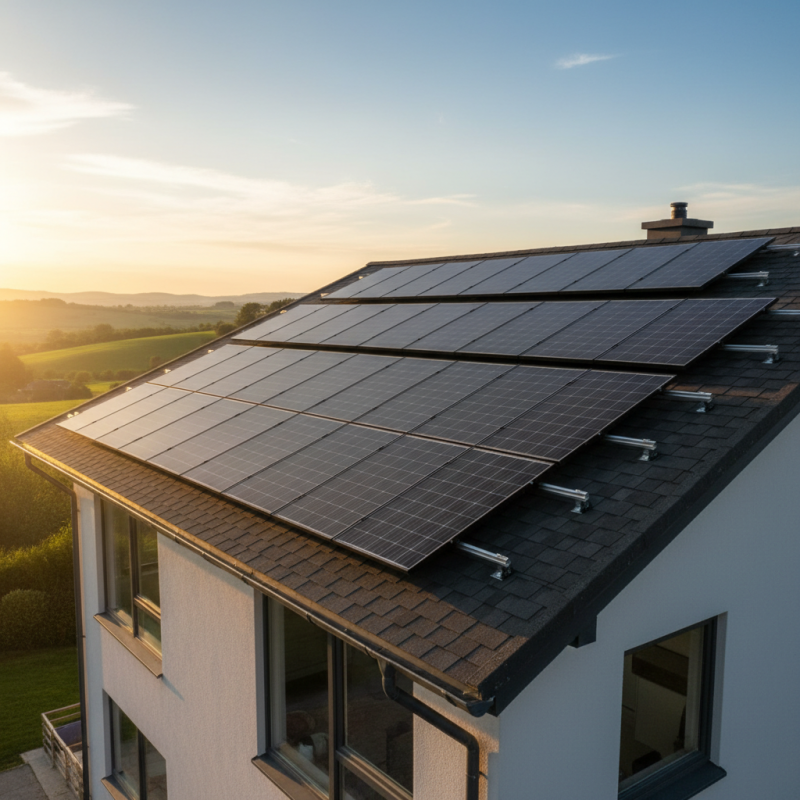
A solar panel roof mount is a crucial component of solar power systems. This structure allows solar panels to be securely attached to the roof of a building. It provides the necessary elevation and angle to optimize solar energy absorption. Proper installation can increase the overall efficiency of solar panels by up to 25%, according to the National Renewable Energy Laboratory (NREL).
The design of a solar panel roof mount varies based on roof type and location. For sloped roofs, rail systems are common. These ensure panels are optimally positioned for sunlight exposure. Flat roofs often use ballasted mounts, which don't penetrate the roof surface. This is vital for maintaining roof integrity and preventing leaks. Data from the Solar Energy Industries Association indicates that nearly 50% of new solar installations in the U.S. involve roof mounts.
Despite their effectiveness, roof mounts aren't without challenges. Installation costs and potential roof damage during setup need consideration. Homeowners must also assess their roof's longevity, as a new solar system should last 25 years or more. In some instances, roofs may require repairs before panel installation, adding to costs. Understanding these factors is essential for making informed decisions about solar energy investments.
Types of Solar Panel Roof Mounts and Their Uses
Solar panel roof mounts are essential for maximizing the efficiency of solar energy systems. There are various types of mounts available, each suited for different roofing styles and energy needs. Some common types include fixed mounts, adjustable mounts, and tracking mounts. Fixed mounts are simple and cost-effective, providing a stable platform for solar panels at a fixed angle. They work well on roofs with a suitable pitch for sunlight capture.
Adjustable mounts offer flexibility. They allow you to change the angle of the panels throughout the year. This adjustment can enhance energy production but requires more maintenance. Tracking mounts follow the sun’s path across the sky. While they can significantly increase energy output, they are generally more complex and costly.
Choosing the right type of mount involves careful consideration. Homeowners must assess the structure of their roof and their local climate. There can be hidden costs and installation challenges. While some homeowners enjoy DIY installations, others may overlook crucial details. It is important to consult with professionals to ensure a proper setup. This decision impacts efficiency and longevity.
What is Solar Panel Roof Mount and How Does It Work? - Types of Solar Panel Roof Mounts and Their Uses
| Type of Roof Mount | Description | Best For | Advantages | Disadvantages |
| Flush Mount | Solar panels are mounted directly to the roof. | Residential homes with minimal roof obstructions. | Low profile, aesthetic appearance, reduced wind resistance. | Limited airflow can lead to overheating. |
| Tilt Mount | Panels are mounted on a frame that tilts them upward. | Flat roofs or areas with low slope. | Improved sunlight exposure, enhanced energy production. | Takes up more space, can be visually obtrusive. |
| Pole Mount | Panels are mounted on a vertical pole above the ground. | Areas with heavy shading or obstruction from trees and buildings. | Adjustable angles for maximum sunlight, easy to clean. | Requires more space, potential for structural challenges. |
| Ground Mount | Solar panels are fixed on a framework mounted at ground level. | Larger properties or farms. | Flexibility in placement, easy access for maintenance. | Higher installation costs, land use implications. |
How Solar Panel Roof Mounts Work with the Roof Structure
Solar panel roof mounts are essential for effective solar energy systems. They securely attach panels to the roof structure, maximizing sun exposure. Such mounts are typically made from durable materials to withstand weather conditions. This ensures long-term performance and safety.
The interaction between solar panels and roof structure is critical. Proper installation is vital to avoid leaks and structural issues. Roof types can influence the mounting process. For instance, a flat roof requires different mounting equipment than a sloped roof. Integrating solar panels with existing roofing systems must be done thoughtfully.
Each installation has its unique challenges. Not every home is ideal for solar. Some roofs may not support additional weight well. Evaluating roof integrity before installation is crucial. Retrofits may be necessary for certain structures, which can complicate the process. Regular maintenance checks can prevent failures. It's essential to keep learning from each installation experience to improve future setups.
Benefits of Using Solar Panel Roof Mounts for Energy Generation
Solar panel roof mounts offer several benefits for energy generation. They convert sunlight into electricity, making homes more energy-efficient. According to a report by the Solar Energy Industries Association (SEIA), solar energy has seen a growth rate of 42% year-on-year. This trend showcases the increasing reliance on renewable resources.
One major advantage of roof-mounted solar panels is space efficiency. Roofs provide high exposure to sunlight without taking up additional land. A typical residential solar system can generate between 4,000 to 10,000 kWh per year. This is enough to power an average home, significantly reducing electricity bills. However, the installation process requires careful planning. A poorly designed system can lead to inefficiencies and wasted energy.
Moreover, using solar panels can increase property value. A study from the National Renewable Energy Laboratory indicated that homes with solar energy systems sell for an average of 4.1% more than those without. Yet, homeowners must be cautious. The initial investment can be substantial. Cost fluctuations and long-term maintenance should be considered. While solar panel roof mounts offer numerous benefits, they also come with challenges that need to be carefully evaluated.
Installation Considerations for Solar Panel Roof Mounts
When considering solar panel roof mounts, various installation factors play a crucial role. Roof angle, orientation, and material can affect efficiency and longevity. Ideally, panels should face south in the northern hemisphere. This positioning can enhance energy production by up to 30%. However, not all roofs are suitable. In the U.S., approximately 70% of homes have roofs that can support solar installations.
Weight distribution is essential for the structural integrity of the roof. Solar systems can weigh around 200 pounds per panel, making it vital to evaluate load-bearing capacity. Inadequate support could lead to leaks or even roof failure. Homeowners must also consider local regulations and permits, which can vary by region. The process may require hiring a licensed installer who understands these regulations.
Accessibility for maintenance is another key consideration. Panels need periodic cleaning and checks. It is important to think about how often this can be done safely. Lastly, financial factors such as return on investment should not be overlooked. Some reports indicate that a well-installed solar system can yield around 15-20% annual returns. Each aspect of installation needs careful thought to maximize benefits and minimize risks.