Ultimate Tips for Choosing LED Off Road Lights for Your Vehicle?
When exploring the great outdoors, having the right visibility is crucial. LED Off Road Lights can significantly enhance your experience. They illuminate dark trails, ensuring safe navigation during nighttime adventures. Choosing the right lights, however, requires careful consideration.
There are multiple factors to assess, such as brightness, durability, and design. Each feature plays a vital role in the overall performance of LED Off Road Lights. As you venture into challenging terrains, understanding these aspects can make all the difference between a successful trip and a frustrating one.
It's easy to overlook specific needs when selecting lights. Reflecting on your patterns of usage is essential. Think about your vehicle and the conditions you often encounter. Do not just go for the flashiest option. Seek reliability and functionality that fits your adventures. Doing so will make your outings safer and more enjoyable.
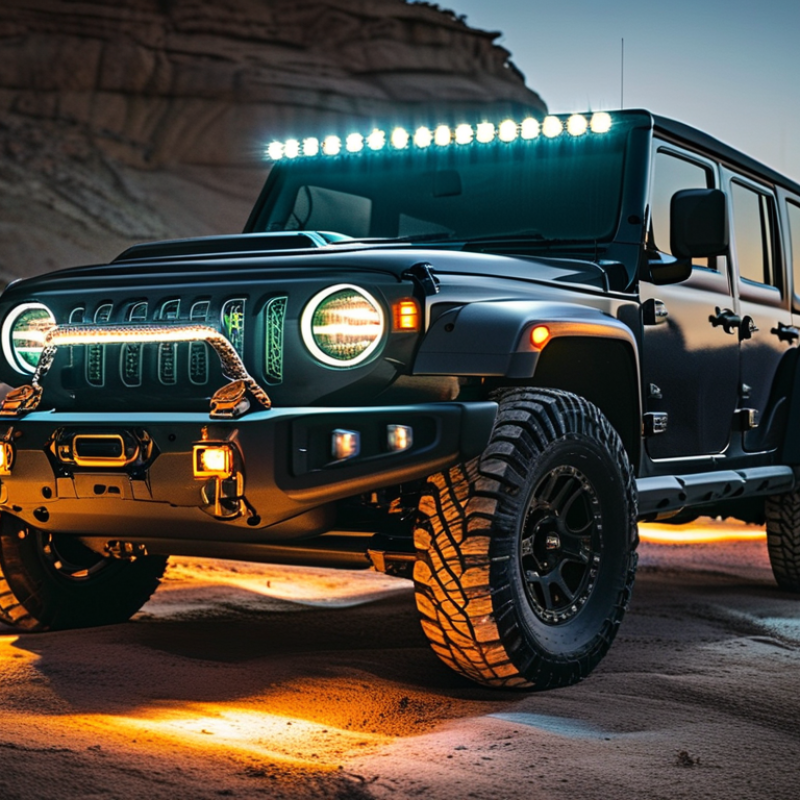
Factors to Consider When Choosing LED Off Road Lights for Vehicles
When selecting LED off-road lights for your vehicle, consider various factors to ensure you make an informed decision. First, assess the brightness level. Measured in lumens, higher numbers mean greater visibility. Off-road adventures often occur in low-light conditions, so adequate brightness enhances safety.
The beam pattern is another crucial factor. Flood lights provide a wide spread of light, while spot lights cast a focused beam. Depending on your driving needs, you might prefer one over the other. Combining both types can also be beneficial, offering versatility in different terrains.
Pay attention to the construction quality as well. Off-road lights must withstand harsh environments. Look for lights built with durable materials that resist water and dust. Checking the IP rating can give you insight into their protection levels. Opting for lights with a higher rating results in better longevity.
Choosing the right color temperature is important too. Lights with a lower color temperature (around 3000K) produce a warm yellow light, while higher temperatures (6000K) yield a colder blue light. Warmer lights can reduce glare, making them preferable for some drivers. Keeping these diverse aspects in mind will enhance your off-road experience.
Understanding Different Types of LED Off Road Lights and Their Applications
When selecting LED off road lights, understanding their types is crucial. There are various categories, including light bars, spotlights, and floodlights. Light bars provide a wide beam, ideal for illuminating large areas. Spotlights offer focused beams, suitable for distant visibility. Floodlights cast a broad light pattern, perfect for close-range tasks. Navigating these options helps drivers make informed decisions based on their specific needs.
According to a 2022 industry report, LED off road lights have seen a sharp increase in demand. Around 75% of off-road vehicle owners prioritize lighting upgrades. This shift highlights the importance of durability and performance in various terrains. Many drivers prefer lights with an IP67 rating, ensuring resistance to water and dust. Depending on the application, some might need combinative setups for better visibility in harsh conditions.
In an era where lighting technology evolves rapidly, assessing features is imperative. While brightness is vital, beam patterns also influence safety and efficiency. Some lights might overly illuminate without adequate focus. It is essential to balance intensity and range for optimal effectiveness. Consideration of beam angles can significantly affect visibility during off-road adventures.
Evaluating Brightness: Lumens and Wattage in LED Off Road Lighting
When selecting LED off-road lights, understanding brightness is crucial. Two important metrics to consider are lumens and wattage. Lumens measure the total light output. A higher lumen value indicates brighter light. For instance, a typical 4-inch LED light bar produces around 1,500 to 2,000 lumens. This brightness is usually adequate for off-road conditions.
Wattage, on the other hand, measures energy consumption. Generally, a light with higher wattage may consume more power while offering greater brightness. Many off-road lights have efficiency ratings showing that 1 watt can typically produce about 100 lumens. Therefore, a 30-watt light can output approximately 3,000 lumens. It's essential to balance brightness with power usage to avoid draining your vehicle's battery too quickly.
It's worth noting that human perception of brightness also depends on color temperature. LED lights with a color temperature of 5,000 to 6,500 Kelvin appear brighter to the eye. However, some users may find excessively bright lights uncomfortable. Testing different lights in your specific environment helps determine the right choice. An informed decision considers both lumens and wattage, ensuring optimal lighting for your off-road adventures.
Importance of Beam Patterns and Angles in Off Road Lighting
When choosing LED off-road lights, beam patterns and angles play a crucial role in your vehicle's visibility. A well-designed light can illuminate your path and reveal potential hazards. Different terrains demand different lighting angles. For example, a wider beam is excellent for open spaces, while a narrower beam is ideal for focused lighting on trails.
Consider the type of driving you do most often. Are you navigating rocky paths or open fields? The choice of beam pattern should reflect your typical off-road environment. A combination of patterns can enhance safety. Experiment with mounting positions to find optimal angles, as this can significantly impact light performance.
It's essential to analyze the light’s distance and spread. Some lights offer adjustable angles, which can be beneficial for varied terrains. However, poorly aimed lights can create blind spots. Test various setups to discover what works best for you. Remember, the goal is not just illumination, but effective visibility and safety on your off-road adventures.
Importance of Beam Patterns and Angles in Off Road Lighting
Durability and Weather Resistance Ratings for Off Road LED Lights
When selecting off-road LED lights for your vehicle, durability and weather resistance are key factors. Lights must withstand harsh terrains and adverse weather conditions. Look for IP ratings, which indicate protection against dust and water. An IP67 rating means the light can endure total immersion in water for a limited time. This feature ensures longevity during off-road adventures.
Consider the materials used in the construction of the lights. Aluminum housings offer better heat dissipation and resistance to corrosion than plastic options. A rugged design can prevent damage from rocks and debris. Additionally, robust mounting systems should be utilized to keep lights secure even on bumpy trails.
Inspecting the brightness and beam patterns is also crucial. A narrow beam can provide long-distance visibility, while a wide beam offers better peripheral lighting. Both are important when navigating through challenging terrains. Remember that cost is not always an indicator of quality. Sometimes, the best option may come from lesser-known manufacturers. Seek reviews from trusted sources to avoid potential pitfalls.
Ultimate Tips for Choosing LED Off Road Lights for Your Vehicle
| Feature | Description | Rating (1-10) |
| Brightness (Lumen Output) | Indicates how bright the lights are; higher lumens mean brighter lights. | 9 |
| Durability | Measures how well the lights withstand impact and harsh conditions. | 8 |
| Weather Resistance | Rated against water, dust, and other environmental factors. | 10 |
| Installation Ease | How simple it is to install and set up the lighting system. | 7 |
| Power Consumption | Efficiency in energy use; lower is better for battery life. | 8 |
| Beam Pattern | The shape and distance of the light spread. | 9 |