
Choosing a House Vacuum Cleaner looks simple until dust hides under furniture, pet hair clings to rugs, and crumbs gather near kitchen corners. A glossy machine may impress in photographs, yet struggle with your actual floors. The right choice depends on suction, filtration, brush design, noise, weight, storage, and maintenance. Small details matter. Very much.
Carolyn Forté, Executive Director of the Home Care & Cleaning Lab at Good Housekeeping, offers a practical principle: “The best vacuum is the one you’ll actually use.” That advice keeps the decision grounded. A powerful upright may suit thick carpets, while a lightweight cordless model can serve quick daily cleaning. Homes with allergies may need sealed filtration and a genuine HEPA filter. Pet owners should inspect the brush roll before trusting marketing claims.
This guide, “10 Tips to Choose the Best House Vacuum Cleaner,” focuses on real household conditions rather than impressive specifications alone. It considers how the cleaner handles sofa fabric, stair edges, hard floors, and tightly packed dust. Battery life also deserves honest attention; advertised runtime often changes with power settings. I have learned that convenience can matter more than maximum suction. Still, no checklist is perfect. Room layout, flooring, and personal strength can change the answer. Compare verified specifications, read dependable reviews, and examine warranty support before buying. The best machine is not always the most expensive one. It is the cleaner that performs reliably, feels manageable, and gets used every week.
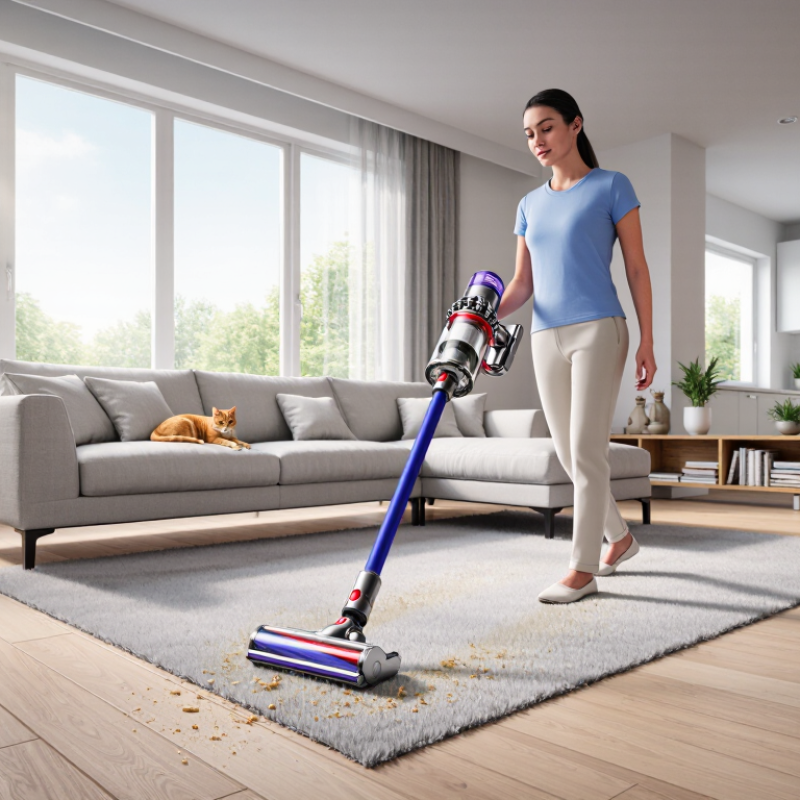
Choosing the best house vacuum starts with your floors, not the motor’s marketing claims. Draw a simple floor map. Record carpet height, hard flooring, rugs, stairs, and entryway grit. Note pet hair, fine dust, crumbs, and allergy concerns. The U.S. Environmental Protection Agency reports indoor pollutant levels are often two to five times higher than outdoor levels. Some indoor concentrations can be 100 times higher. See the EPA’s Guide to Air Cleaners in the Home, 2021. Sealed filtration matters more than impressive wattage.
Low-pile carpets need adjustable suction and an agitating brush. High-pile carpets need height control, or the head may stall. Delicate rugs need brush shutoff and gentle suction. Hard floors benefit from soft bristles and protected wheels. Check edge cleaning near baseboards.
Test the hose around stairs and furniture. I once chose a powerful vacuum that scattered cereal across tile. Power is not precision.
Ten practical checks include floor mapping, debris logging, suction control, brush shutoff, height adjustment, soft rollers, edge reach, hose length, filter access, and noise.
The Carpet and Rug Institute evaluates vacuum performance through standardized tests, including embedded soil removal and dust containment. Look for independently tested results, not vague “deep clean” claims.
EPA guidance also stresses source control and regular cleaning. Emptying a dusty bin outdoors may reduce indoor re-release, though this step is easy to neglect.
Inspect seals, filters, and brush blockage monthly. My checklist still misses awkward corners. Measure them before buying.
Choosing the best house vacuum cleaner starts with your rooms, not attractive specifications. A powerful upright vacuum suits thick carpets and large living areas. It usually removes embedded crumbs efficiently, but it can feel heavy on stairs. A canister model offers better control for hard floors, curtains, and narrow corners. Its hose reaches beneath sofas easily. However, storage can become annoying in smaller homes.
Tip: Match the vacuum head to your main flooring. A soft brush protects wood surfaces, while a rotating brush lifts pet hair from rugs. Stick vacuums are convenient for quick daily cleaning. They are light and easy to store. Their smaller batteries may struggle during a whole-house cleaning session. Handheld models work well for car seats, shelves, and scattered cereal. They should not replace a full-sized cleaner.
Robot vacuums help maintain floors between deeper cleanings. They suit open layouts with limited clutter. They may miss edges, cables, and dark corners. I have found that mapping features save time, but they are not perfect. A small chair can still interrupt the cleaning route.
Tip: Check filtration, noise, dust-bin size, and replacement parts before buying. Allergy-sensitive households should inspect the filter seal carefully.
Tip: Test the handle, hose, and controls in person when possible. Comfort matters after ten minutes.
I once chose a compact model that stored beautifully, but emptying its bin was unpleasant. That mistake changed how I compare convenience.
10 Tips to Choose the Best House Vacuum Cleaner
Evaluate suction power, filtration, and cleaning performance before trusting a glossy specification. Motor wattage alone can mislead. I check airflow, sealed suction, and nozzle contact instead. A vacuum should lift flour from a rug without scattering it. It should also remove crumbs from narrow floor gaps. The IEC 62885-2 standard evaluates dust removal on carpets and hard floors, making these tests more useful than marketing claims. Ask for results from both surfaces.
Filtration matters when dust returns through the exhaust. The U.S. Environmental Protection Agency reports that indoor pollutant levels can be two to five times higher than outdoor levels. Its technical guidance defines HEPA performance as removing at least 99.97% of particles measuring 0.3 microns. Look for a sealed filtration system, not only a replaceable HEPA label. Check whether the dust bin closes cleanly. Small leaks can defeat strong filtration.
Listen for a stable motor, not merely loud noise. Test suction at the hose and floor head. Observe whether the brush keeps contact around furniture legs. A heavy machine may clean well but become tiring upstairs. I once favored maximum suction and regretted the stiff hose. That experience still shapes my choice. Compare performance after the bin is partly filled, because laboratory results may look better than daily use. Temperature, floor texture, and pet hair can change everything.
10 Tips to Choose the Best House Vacuum Cleaner
Choose a vacuum cleaner by testing comfort, maintenance, and safety in your actual home. I test the handle with one hand and move the cleaner around chair legs. A lightweight body reduces wrist strain during longer cleaning sessions. Check whether the handle height suits your posture. Soft, large wheels usually roll better across rugs and hard floors. Controls should remain easy to reach while cleaning. A long cord or reliable battery helps avoid repeated interruptions. Noise matters too, especially in small rooms or homes with sleeping children. My own mistake was ignoring the grip until my hand felt tired.
Maintenance features can save time every week. Look for a dust container that opens without touching collected debris. Washable filters are useful, but they must dry completely before replacement. Check the brush head for tangled hair and simple access. Clear indicators can show blocked airflow or a full container. Safety deserves equal attention. Choose a model with stable parking, protected moving parts, and automatic shutoff against overheating. Inspect the plug, cable, and housing for solid construction. Follow the manual instead of guessing about filters or attachments. Independent safety certification can provide extra confidence. A perfect choice is unlikely; dust, stairs, and tight corners may still expose weaknesses.
| Tip | Essential Feature | What to Check | Recommended Standard | Main Benefit | Important Caution |
|---|---|---|---|---|---|
| 1 | Match the Cleaner to Your Floor Type | Check whether the cleaner has adjustable suction, a brush-roll control, and separate tools for carpets, rugs, and hard floors. | Multi-surface capability Use a soft floor head for delicate surfaces and a powered brush for carpets. | Improves cleaning results while reducing the risk of scratches or carpet damage. | A rotating brush can damage loose loops, fringe, or delicate flooring if it cannot be switched off. |
| 2 | Consider Filtration Quality | Look for a sealed filtration system and a high-efficiency exhaust filter. Washable filters can reduce replacement needs. | Sealed system preferred High-efficiency filters are especially useful in homes with dust-sensitive occupants. | Helps reduce the amount of fine dust returned to the room during vacuuming. | A filter labeled “high efficiency” may not perform well if the cleaner has air leaks around the dust container or body. |
| 3 | Choose a Comfortable Weight | Check the total weight, handle position, wheel movement, and whether the unit is easy to carry between floors. | Light to moderate weight Choose a design that can be pushed and lifted without excessive strain. | Makes frequent cleaning easier and reduces fatigue in the arms, back, and shoulders. | A very light model may have a smaller dust capacity or less powerful airflow, so balance portability with performance. |
| 4 | Evaluate Noise Level | Compare the stated operating noise in decibels and read independent measurements when available. | Around 70 dB or lower Lower noise is more comfortable for apartments, children, and pets. | Reduces disturbance during cleaning and makes longer cleaning sessions more comfortable. | Noise can change with the floor head, airflow restriction, and dust-container condition. |
| 5 | Check Dust Capacity | Consider the container or bag capacity in relation to home size, pet hair, and cleaning frequency. | Moderate to large capacity A larger capacity is useful for larger homes or heavy debris loads. | Reduces interruptions and keeps airflow more consistent during cleaning. | Do not wait until the container is completely full; an overloaded system can reduce suction and increase dust exposure. |
| 6 | Inspect Cord and Battery Options | For corded models, check cord length and automatic rewind. For cordless models, check runtime, charging time, and battery replacement availability. | Coverage suited to your home Choose enough runtime for the intended cleaning area without frequent recharging. | Improves convenience and prevents repeated stops to change outlets or recharge. | Advertised cordless runtime is often measured in a low-power mode and may be shorter with motorized tools. |
| 7 | Look for Useful Attachments | Common tools include a crevice tool, upholstery tool, dusting brush, and a motorized attachment for embedded hair. | Tools for your surfaces Prioritize attachments you will use rather than collecting unnecessary accessories. | Extends cleaning to stairs, furniture, corners, vents, and other hard-to-reach areas. | Attachments should store securely and connect firmly; loose fittings can reduce airflow and become easy to lose. |
| 8 | Review Maintenance Requirements | Check how often filters, brush rolls, belts, bags, and seals need cleaning or replacement. | Simple, accessible maintenance Choose parts that can be removed without special tools. | Helps preserve suction, extend service life, and maintain hygienic performance. | Always disconnect a corded cleaner or remove the battery before clearing a blockage or handling the brush roll. |
| 9 | Prioritize Safety Features | Look for thermal overload protection, secure dust-container locking, stable parking, and protected moving parts. | Basic safety controls included Automatic shutoff is useful when airflow is blocked or the motor overheats. | Lowers the risk of overheating, accidental opening, and contact with moving components. | Never vacuum hot ash, liquids, sharp objects, or flammable materials unless the cleaner is specifically designed for them. |
| 10 | Check Storage and Warranty Support | Measure storage space and confirm the availability of replacement filters, bags, batteries, and other service parts. | Fits your storage plan Clear warranty terms and accessible replacement parts are valuable for long-term use. | Makes the cleaner easier to store, repair, and keep in dependable working condition. | A low purchase price may become expensive if essential consumables or replacement parts are difficult to obtain. |
Selection priorities should be based on your floor types, home size, cleaning frequency, household sensitivities, storage space, and maintenance preferences.
Price is only the entry point. Compare the purchase cost, bags, filters, batteries, and replacement parts. A cheaper model can become expensive after two years. Check independent durability surveys and repair reports, not only star ratings.
Look for a sealed body, sturdy wheels, accessible filters, and widely available parts. Warranty length matters, but coverage matters more. Read exclusions for batteries, hoses, brushes, and accidental damage. A longer warranty cannot rescue poor service access.
Tip one is measuring floor types. Tip two is checking suction control for rugs and hard floors. Tip three is choosing a sealed filtration system.
Tip four is checking dust capacity. Tip five is comparing noise. European Commission Regulation (EU) No 666/2013 limits many household vacuum cleaners to 900 watts and 80 decibels. Wattage alone does not prove cleaning power.
Ten useful checks should cover price, durability, warranty, filtration, suction, noise, capacity, weight, accessories, and repairability.
Families with pets may need an agitation brush, while allergy-sensitive users need careful seal design. Small apartments may favor compact storage over maximum capacity.
I once overvalued suction numbers and ignored a short hose. That was inconvenient. User needs should lead. Measure twice. Fancy specifications can distract from daily handling. Industry testing is useful, but your floor, stairs, and cleaning habits remain the harder evidence.
Accreditations
ISO 9001 Quality Management
HSE Management Compliant
Products and services comply with relevant Australian (AS) and international (ISO, etc.) Standards.
"*" indicates required fields