7 Tips for Choosing the Right Package Wrapper
A Package Wrapper does more than cover a product. It protects surfaces, supports consistent presentation, and must work smoothly with your equipment. The right choice depends on the product’s shape, the wrapping environment, and how customers handle it after purchase. A wrapper that looks impressive in a sample may wrinkle on a fast production line. Small details matter.
Steve Jobs, whose product-design work included Apple packaging, is often credited with the observation, “Packaging can be theater; it can create a story.” That idea applies to wrapping, too. A crisp fold or clear film can shape a customer’s first impression. Yet appearance is only part of the decision. Material strength, seal quality, machine compatibility, and storage conditions deserve equal attention. Some trade-offs are easy to overlook.
The seven tips ahead offer a practical way to compare options. Start with the product: its dimensions, weight, edges, and sensitivity to moisture or scuffing. Then consider film type, wrapper settings, output volume, and the consistency of each finished pack. Ask suppliers for samples, and test them on your actual line when possible. Watch for loose seams, cloudy film, or damage after handling. A tidy sample is not proof of reliable performance. That distinction is worth remembering. No checklist replaces careful testing, and even a well-chosen Package Wrapper may need adjustment as products or production conditions change.
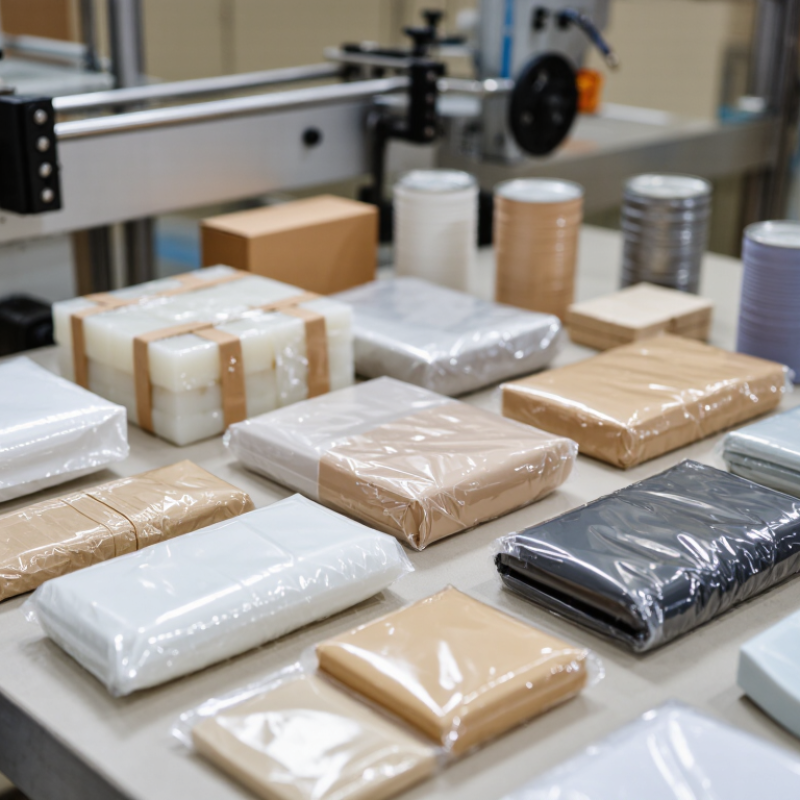
Define the Product and Packaging Requirements
Before choosing a package wrapper, define the product it must handle. Record its length, width, height, weight, and shape, including any parts that shift or protrude. Measure a sample from a normal production run, not only a perfect prototype. Small details matter. A soft pouch, a rigid box, and a tray can need very different support and wrapping tension. Note whether the product is fragile, moisture-sensitive, or likely to mark when pressed. Do not guess. If dimensions vary, record the range and ask whether the wrapper can accommodate it consistently.
Then describe the packaging job in practical terms. Specify the required film or paper, how the package should close, and whether the finished pack needs to resist dust, handling, or temperature changes. Estimate the number of products wrapped per hour, and check available floor space, power, and operator access. A common planning mistake is to focus on speed before confirming package quality. It is tempting to assume one setting will suit every product, but trials often reveal wrinkles, loose seals, or awkward loading. List what a successful wrapped sample should look and feel like, then use that standard when evaluating equipment.
Compare Wrapper Materials and Their Properties
Choosing a wrapper starts with the product’s real journey: weight, sharp edges, moisture, and time in transit. Paper and paper-based wraps are easy to print and can cushion light goods, but they may soften when damp. Plastic film is light, flexible, and useful for moisture protection; thin grades can tear around corners. Corrugated sleeves add crush resistance, though they take more storage space. No material wins everywhere. OECD’s Global Plastics Outlook reports that packaging accounted for 40% of plastic waste generated in 2019. That figure makes end-of-life planning part of material selection, not an afterthought.
Tips: Compare the protection each material offers against the conditions your parcel will face. Wrap a sample item, then test it with a damp surface, a sharp edge, and a short drop. Check whether the material can be separated easily from labels or padding. Also compare actual package weight: a heavier paper wrap may reduce damage, but it can increase shipping weight. I sometimes see teams focus too much on shelf appeal. A practical trial can expose that mistake.
Ask suppliers for material specifications, including thickness, recycled content, and available disposal guidance. Treat broad claims such as “eco-friendly” cautiously unless they describe measurable properties. Record damage rates and packing time during a small shipment trial. One limitation: results from a few parcels may not represent every route or season. Recheck when product dimensions or delivery conditions change.
7 Tips for Choosing the Right Package Wrapper - Compare Wrapper Materials and Their Properties
Selection reminder: Compare the complete package—not just the base material—including thickness, coatings, laminations, seals, storage conditions, food-contact requirements, and local disposal options. Barrier performance varies by grade and construction.
Assess Protection, Compatibility, and Ease of Use
Tip: Start with the risks your package will face. A paper sleeve may suit a dry shelf, while a moisture-sensitive item may need a better barrier. Check the wrapper’s thickness, sealed edges, and resistance to punctures. A small sample test can reveal weak seams, though it cannot predict every shipping condition.
Tip: Measure the product at its widest points, then compare those dimensions with the wrapper’s usable space. Leave room for seals without letting the item slide around. Check whether the material works with your filling or sealing equipment. Some films wrinkle or cling in ways that slow a line. Test a short run.
Tip: Consider how customers will open and handle the package. Tear notches, clear labels, and easy-to-grip edges can help. If resealing matters, try the closure several times with damp or cold hands.
Tip: Inspect the wrapped item after packing and transit simulation.
Tip: Ask a few users to open it without instructions. Their hesitation may point to a flaw you missed. Wrapper choice is a trade-off; a solution that protects well may still feel awkward to use.
Balance Cost, Sustainability, and Supply Availability
7 Tips for Choosing the Right Package Wrapper
Balance Cost, Sustainability, and Supply Availability
A wrapper is both a material choice and a purchasing decision. The OECD’s 2022 Global Plastics Outlook estimates that packaging accounted for about 40% of plastic waste generated worldwide in 2019. Eurostat reports that the EU generated 186.5 kilograms of packaging waste per resident in 2022. These figures make material use worth examining, but they do not identify one best wrapper for every product. A lightweight option may reduce shipping weight, yet fail if it tears during handling.
Tips: Compare total costs, not just the price per roll. Include sealing speed, storage space, damage rates, and disposal options. Check whether the wrapper protects against moisture, dust, or scuffing on your actual packing line. Small tests help. Record results.
Availability matters, too. Ask suppliers about lead times, minimum orders, and acceptable material alternatives before changing specifications. Where practical, qualify a second source using the same performance checks. This can reduce exposure to shortages, though it may add testing and purchasing work. Review local recycling guidance as well; a technically recyclable wrapper may not be accepted by nearby collection systems. Some trade-offs remain. The cheapest choice today may require more protective layers or create avoidable waste later. Recheck costs and supply conditions when volumes, routes, or product needs change.
7 Tips for Choosing the Right Package Wrapper — Balance Cost, Sustainability, and Supply Availability
U.S. Recycling Rates by Material (2018)
Paper and paperboard had the highest reported recycling rate among these broad material groups. Use this as one sustainability reference when comparing wrapper options, alongside total cost and supplier availability. These figures are U.S. material-category rates—not recycling rates for specific wrappers—and local collection rules vary.
Source: U.S. Environmental Protection Agency, Facts and Figures about Materials, Waste and Recycling (2018 data).
Test Suitable Options and Make the Final Selection
Test shortlisted wrappers on the actual product, not only on a supplier’s sample roll. The Flexible Packaging Association’s 2023 State of the U.S. Flexible Packaging Industry report valued 2022 sales at $42.9 billion. That scale reflects many uses, but it does not identify the best film for your line. Small trials matter. Compare seal consistency, puncture resistance, print scuffing, and package appearance after transport. Record settings and defects for every run. ASTM F88 provides a method for measuring seal strength; use consistent samples and conditions when comparing results.
Then test the strongest candidates at normal and peak line speeds. Check whether seals stay intact after cooling, stacking, and exposure to expected storage conditions. A wrapper that performs well on a slow trial may wrinkle or misfeed during a busy shift. Track film use, changeover time, rejected packs, and product damage—not just price per roll. One detail is easy to miss: operators may handle a slightly less efficient film more reliably. I would give that feedback real weight. Run a longer production trial before selecting the final option, and keep the test records. A few imperfect samples can reveal more than a polished demonstration.