Top Prototype Sheet Metal Suppliers for Global Buyers?
Finding the right Prototype Sheet Metal supplier can shape a project long before production begins. A clean laser-cut edge, a bent flange that matches the drawing, and a finish that survives handling all matter. So does clear communication. Global buyers must compare more than hourly rates or quoted lead times. They need to understand how each supplier handles design files, material selection, tolerances, inspection, packaging, and shipping.
This guide examines what separates dependable suppliers from convenient-looking options. It considers fabrication capabilities, engineering support, sample quality, quality-control practices, and responsiveness during quoting. Ask for evidence, not just promises. A detailed inspection report or a marked-up drawing can reveal how a supplier manages real work. Check whether the quoted material grade, thickness, finish, and delivery terms match your requirements. Small differences can affect fit and cost. They can also create delays.
No shortlist is perfect. A supplier with excellent technical support may not offer the lowest price, while a fast quote may leave important details unclear. That trade-off deserves attention. Share the same drawings and specifications with each candidate, then compare their questions as carefully as their prices. The strongest partner is not always the largest or closest. It is the one that communicates limitations early, documents decisions, and can support your next design revision. These practical checks help global buyers choose with greater confidence, while leaving room for a crucial reminder: verify every claim before placing an order.
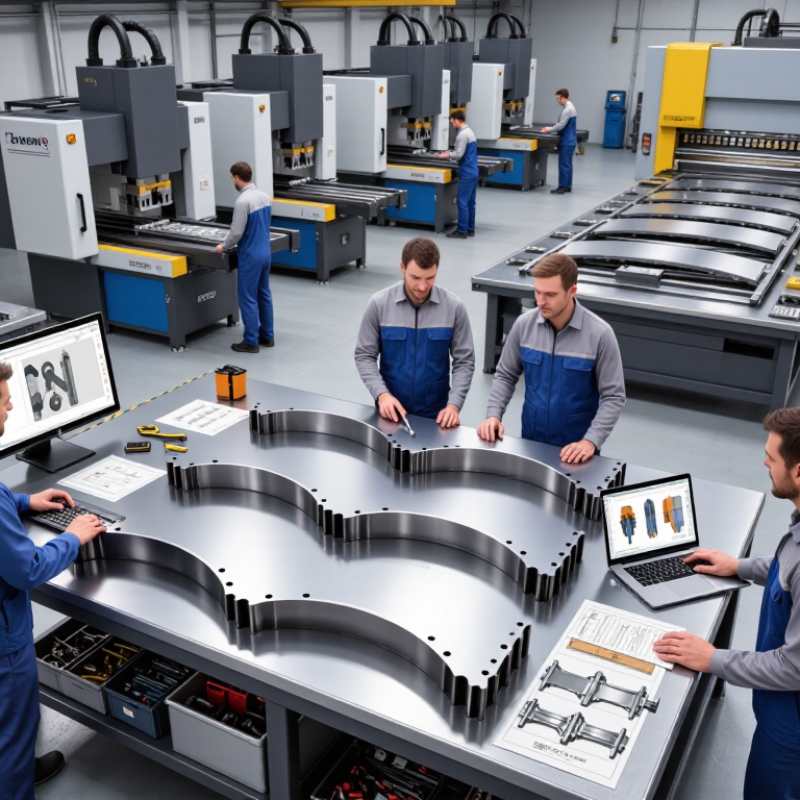
What Prototype Sheet Metal Suppliers Do
What Prototype Sheet Metal Suppliers Do
Prototype sheet metal suppliers turn design files into physical parts for fit checks, functional testing, and early production trials. They review drawings for practical details: material thickness, bend radius, hole spacing, and tolerances. A small mismatch can make a mounting tab sit crooked or prevent an enclosure from closing. Suppliers may recommend design changes before cutting metal. That matters.
Typical work includes laser cutting or punching flat blanks, forming them on press brakes, and joining parts by welding or fastening. Some suppliers also handle deburring, surface finishing, and dimensional inspection. Their value is not just machine time. They help customers compare materials, identify costly features, and decide which details must be controlled on the first build. Not always. A quick quote alone does not prove that a part will fit.
Digital collaboration is increasingly important. Deloitte and the Manufacturing Institute’s 2019 smart-factory study reported that 86% of surveyed manufacturers expected smart-factory initiatives to be a primary driver of competitiveness by 2025. That broader industry finding supports the value of digital quoting, clear revision control, and production data—not a guarantee of any supplier’s performance. Buyers should still confirm inspection methods and tolerances. Prototype work can expose overlooked assumptions, and sometimes the drawing needs another pass.
What Prototype Sheet Metal Suppliers Do
Example planning allowances for a prototype order, from design review through inspection.
Illustrative workflow estimates, not supplier-specific lead-time data. Actual timing depends on part complexity, material availability, order quantity, finishing, and inspection requirements.
Common Fabrication Processes and Materials
Prototype sheet metal parts commonly begin with laser cutting or CNC punching. These processes create flat blanks with clean edges and repeatable holes. Press brakes then form bends, while spot or TIG welding joins selected features. Deburring matters: a sharp edge can affect assembly and handling. For early prototypes, laser cutting often suits changing designs better than dedicated stamping tools.
Material choice changes the result. Cold-rolled steel is practical for stiff, cost-conscious parts; stainless steel offers corrosion resistance. Aluminum, such as 5052, is lightweight and bends well, though springback needs attention. The World Steel Association’s World Steel in Figures 2024 reports about 1.89 billion tonnes of crude steel production in 2023. That scale indicates a broad material supply base, but it does not guarantee a specific sheet grade or local availability. Check the mill certificate and thickness tolerance. Small details matter.
Tips: Send a flat pattern, material grade, thickness, bend angles, and finish requirements with the quote request. Ask the supplier to flag tight bend radii or holes near bends before cutting. A quick drawing review can prevent rework. I still find that finish expectations are easy to leave vague; specify whether visible faces need protective film or a brushed grain.
How to Assess Supplier Quality, Speed, and Cost
Assessing a prototype sheet metal supplier starts with the part’s requirements: material grade, thickness, bend angles, finish, and tolerances. Share a clear drawing and ask how the supplier will verify critical dimensions. Request sample inspection records or a measurement report from a comparable job. A neat-looking sample is useful, but it cannot prove every feature is consistent. Small details matter.
Speed depends on more than the quoted build time. Check how quickly the supplier reviews drawings, flags unclear dimensions, and confirms material availability. Ask for a realistic schedule covering fabrication, finishing, inspection, and shipping. A short lead time may exclude finishing or assume immediate approval. Get the milestones in writing, and ask what happens if a design change arrives mid-run. That conversation can feel awkward, but it often reveals how clearly the team communicates.
Compare total costs, not just the unit price. Tooling, setup, finishing, packaging, and expedited freight can change the final figure. Ask which assumptions are included in the quote and whether a second design revision carries extra fees. When comparing suppliers, keep the drawing and requested inspection level consistent. The comparison will still be imperfect: one supplier may quote faster, while another explains risks more carefully. Weigh both against the prototype’s purpose, budget, and tolerance needs.
Comparing Global Suppliers and Regional Capabilities
Global buyers comparing prototype sheet metal suppliers should weigh regional strengths, not just quoted unit prices. The World Steel Association reported 1,882.6 million tonnes of crude steel production in 2024. That figure signals broad raw-material availability, but it does not guarantee suitable sheet grades, short lead times, or reliable fabrication. Ask suppliers to identify their material sources and confirm stock before releasing drawings.
Regional logistics matter too. The World Bank’s 2023 Logistics Performance Index placed Singapore first, with a score of 4.3, while Germany scored 4.1. These scores offer context, not a delivery promise. Shipping routes, customs handling, and local trucking can still delay a small laser-cut panel. For urgent prototypes, nearby suppliers may simplify sample reviews and dimensional corrections. That matters.
Compare capabilities at process level: laser cutting, bending, welding, surface finishing, and inspection. Request a sample inspection report for hole positions, bend angles, and flatness. A supplier with nearby finishing partners may offer flexibility, but each handoff adds coordination risk. One caveat: polished capability lists can hide limited capacity during peak demand. Confirm machine availability, revision control, and the time needed for one corrected sample—not only the first delivery estimate.
How Buyers Manage Quotes, Compliance, and Delivery
A prototype sheet metal quote is useful only when its assumptions are visible. Ask suppliers to separate tooling, material, finishing, inspection, and freight costs. A low unit price may exclude a setup charge or protective packaging. Share a clear drawing, revision level, quantity, and target delivery date. For a bent stainless-steel bracket, include thickness, bend notes, and any critical hole locations. Small gaps in the request can create large quote differences.
Tips: Compare like with like. Request a written list of included operations, material grade, inspection records, and quote validity. Confirm which documents can accompany the parts, such as material certificates or dimensional reports. Keep the questions in one shared file. It is less glamorous than a call, but easier to track.
Compliance and delivery need equal attention. Ask how the supplier controls drawing revisions and protects technical files. Check whether the proposed material and finish meet your project’s stated requirements; do not assume a familiar description is precise enough. Agree on sample approval, packaging, shipping terms, and milestone dates before production. A weekly update can reveal a delay while there is still time to adjust. Even then, forecasts can slip. A realistic buffer is not perfect planning, but it is often better than promising an exact arrival date too early.