
Top 10 Types of Safety Harnesses for Fall Protection

At height, small equipment choices can shape how safely a task is performed. A Safety Harness is not a stand-alone solution; it works as part of a properly selected and connected fall-protection system. Fit matters. Straps should sit as the manufacturer directs, buckles should be secured, and attachment points must match the intended task. A harness that looks sturdy on a shelf may still be unsuitable for a particular worker, anchor, or work position.

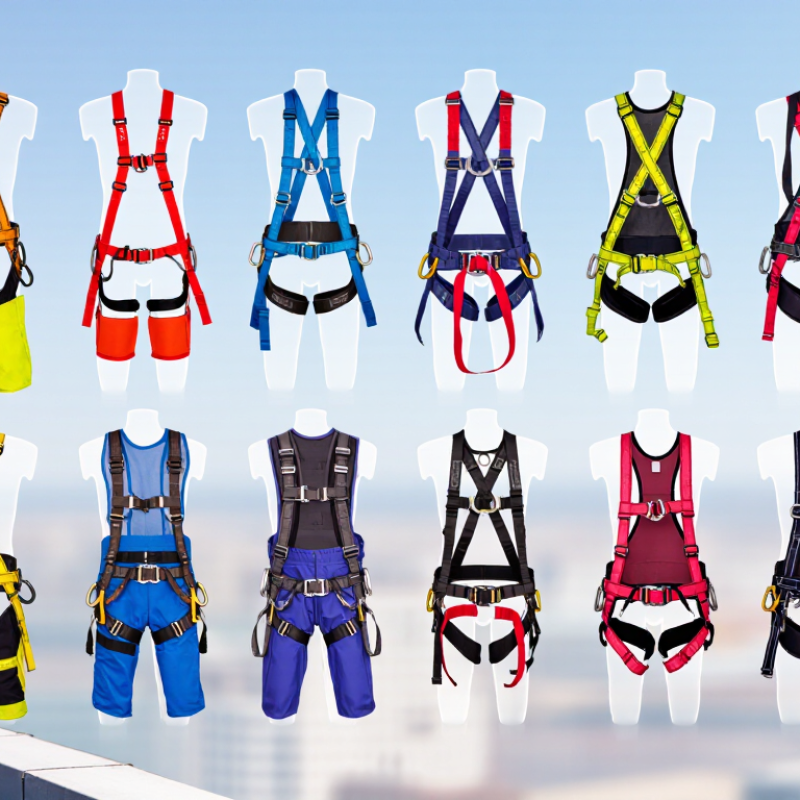
This guide introduces 10 types of safety harnesses used for fall protection, from general-purpose full-body designs to models intended for positioning, climbing, or rescue applications. Their differences are practical: leg-strap layout, padding, attachment points, adjustability, and compatibility with other equipment. Imagine a worker checking labels beside a roof access point, then adjusting the chest strap before climbing. Those details matter. Selection should follow the manufacturer’s instructions, workplace procedures, and advice from a qualified safety professional. Routine inspection and correct use matter just as much as the harness type.

No list can replace hands-on training or a careful assessment of the worksite. Even product categories can overlap, and terminology may vary between manufacturers. That can be confusing. The aim here is to make the options easier to compare, not to suggest that one design fits every job. A thoughtful choice begins with the task, the wearer, and the complete protection system.
Top 10 Types of Safety Harnesses for Fall Protection

What a Fall Protection Harness Is and How It Works

A fall-protection harness is a wearable part of a personal fall-arrest system, not a device that stops someone from falling. Its webbing wraps around the body, with leg, shoulder, and chest straps helping distribute forces if a fall is arrested. A dorsal attachment point is common, but the correct connection depends on the task and system design. Fit matters.

The harness connects to a compatible lanyard or self-retracting lifeline, which then connects to a suitable anchor. During a fall, the connecting device slows the worker’s movement and helps limit the force transferred to the body. That process needs enough clear space below the work area. A swing fall can also cause a worker to strike nearby structures. Small setup details matter.

Before use, check the webbing, stitching, buckles, and attachment points for cuts, wear, corrosion, or other damage. Put the harness on with straps lying flat and snug, while still allowing normal movement. Follow the manufacturer’s fitting and inspection instructions, and remove equipment from service after a fall arrest or when its condition is uncertain. A harness can feel secure and still be adjusted poorly; that is easy to overlook. Training, a compatible system, and a workable rescue plan remain essential.

Core Components and Their Safety Functions

A full-body harness spreads arrest forces across the thighs, pelvis, chest, and shoulders. Its webbing should lie flat, without twists or slack. Leg straps support the lower body; shoulder straps help keep the wearer upright after a fall. Fit matters. A loose harness can shift during arrest, while one tightened too far can restrict movement.

The dorsal D-ring, usually between the shoulder blades, connects to a compatible fall-arrest system. Front or side attachment points serve specific tasks and are not interchangeable. Buckles hold adjustments in place, while stitched labels identify size, use limits, and inspection details. Read them before use. The harness alone does not stop a fall; the anchorage, connector, and energy absorber must work together, with enough clearance below.

Before each shift, check webbing for cuts, burns, fraying, or chemical damage. Look closely at stitching and buckles. A small defect can be easy to miss. Remove questionable equipment from service and follow the maker’s inspection guidance. Even a correctly fitted harness may leave a worker suspended after a fall, so rescue planning matters. That step is sometimes overlooked. A brief fit check with the actual clothing and tools can reveal pressure points that a quick glance will not.

Top 10 Types of Safety Harnesses for Fall Protection - Core Components and Their Safety Functions

Harness Type Typical Core Components Key Safety Functions Common Application
1. General-Purpose Full-Body Harness Shoulder straps, leg straps, sub-pelvic strap, attachment point(s), adjustment buckles, and identification labels. Distributes arrest forces across the body and helps keep the wearer upright after a fall when used with a compatible fall-arrest system. General work at height where a personal fall-arrest system is required.
2. Construction Harness Full-body webbing, a dorsal attachment point, adjustable leg and chest straps, and, on some models, side positioning D-rings. Provides a body interface for compatible fall-arrest equipment; optional positioning points support hands-free work when used with a separate positioning system. Construction, maintenance, and work around elevated platforms or structures.
3. Tower-Climbing Harness Full-body straps, dorsal attachment point, side positioning D-rings, and attachment points or loops specified for the climbing system. Supports fall-arrest connection and, where designed for it, work positioning. Climbing connections must be selected and used as part of a compatible system. Telecommunications towers, utility structures, and similar vertical steelwork.
4. Work-Positioning Harness Full-body harness with side D-rings; some designs include a waist belt and seat support. Allows a worker to maintain a supported work position with a positioning system. Positioning features do not replace a required fall-arrest system. Tasks such as pole work or structural maintenance where workers need hands-free support.
5. Suspension or Rope-Access Harness Full-body straps, a sit harness or seat support, and attachment points designated for suspension or rope-access equipment. Supports the wearer during planned suspension and controlled movement when paired with suitable rope-access equipment and procedures. Rope access, suspended inspection, and specialized work requiring prolonged suspension.
6. Rescue or Evacuation Harness Full-body straps with designated rescue or lifting attachment points; some models include shoulder lifting points. Provides specified connection points for controlled raising, lowering, or rescue. Only attachment points approved for the intended rescue method should be used. Worksites with planned retrieval or emergency evacuation procedures.
7. Confined-Space Harness Full-body straps and, depending on the design, a dorsal attachment point or shoulder lifting points for retrieval equipment. Connects the entrant to a compatible retrieval system when required by the confined-space plan; supports controlled retrieval without substituting for atmospheric or other hazard controls. Tanks, pits, shafts, and other permit-required or restricted-entry spaces.
8. Welding or Heat-Resistant Harness Full-body harness using materials and hardware specified by its manufacturer for the stated heat or spark exposure, with designated attachment points. Provides fall-protection connection while helping the harness withstand the exposure limits stated for that model. It does not eliminate the need to protect webbing from damage. Hot work at height where sparks, heat, or welding spatter may be present.
9. Electrical or Arc-Flash-Designed Harness Full-body harness with materials and components selected for the electrical or arc-flash properties claimed for the specific model. Provides fall-protection attachment while meeting only the electrical or thermal performance stated in the product documentation; it is not a substitute for electrical protective equipment. Electrical work at height when the task assessment calls for specially rated equipment.
10. High-Visibility Harness Full-body harness with conspicuous colors or reflective elements, plus the straps and attachment points required for its intended fall-protection use. Can make the wearer more visible in suitable conditions. Visibility features do not themselves arrest a fall or replace required fall-protection components. Work near vehicle routes, mobile equipment, or low-light areas where increased visibility is useful.

Note: These are practical, application-based categories; they can overlap and are not a universal classification system. Harness components, attachment-point purposes, and performance vary by model. Select, inspect, fit, and use a harness according to its labels, manufacturer instructions, applicable regulations, and the complete fall-protection system design.

Ten Types of Safety Harnesses and Their Uses

Top 10 Types of Safety Harnesses for Fall Protection
Ten Types of Safety Harnesses and Their Uses

Safety harnesses are configured for different tasks, though categories can overlap. General fall-arrest and construction harnesses connect workers to compatible fall-arrest systems. Tower-climbing harnesses support vertical work, while positioning harnesses help workers stay steady at a structure. Suspension harnesses suit prolonged work while hanging. Confined-space harnesses can include retrieval attachment points. Rescue harnesses support controlled evacuation. Rope-access harnesses accommodate rope-based movement. Arc-rated harnesses help protect against electrical arc hazards when properly selected. Welding harnesses may use heat-resistant materials. High-visibility harnesses make workers easier to see. Fit and approved system compatibility matter more than the label.

The U.S. Bureau of Labor Statistics’ 2023 Census of Fatal Occupational Injuries counted 885 fatal workplace injuries involving falls, slips, and trips. That figure covers multiple causes, not harness failures alone. It still underscores why equipment selection, inspection, and training deserve attention. A harness cannot prevent every fall. Incorrect anchorage or a poorly adjusted chest strap can undermine protection.

Tips: Check labels, webbing, buckles, and stitching before each use. Choose a harness for the actual task and hazards. Practice adjustment with the clothing and tools worn on site. If a harness has arrested a fall, remove it from service pending inspection. Sometimes the fit feels fine while standing, then shifts when reaching—test movement before work begins.

How to Choose a Harness for the Work Environment

Choosing a fall-protection harness starts with the task and surroundings, not its label. Common configurations include general-purpose, construction, tower-climbing, positioning, suspension, rescue, confined-space, retrieval, welding, and arc-rated harnesses. Match the design to the hazard: a worker leaning from a platform may need positioning support, while a narrow shaft may require retrieval features. Check fit, attachment points, compatible connectors, and available fall clearance. A harness that fits over a thin shirt may feel restrictive over winter layers.

The U.S. Bureau of Labor Statistics reported 865 fatal work injuries involving falls, slips, and trips in 2022. That figure covers different incidents, not just harness-preventable falls, but it underscores the stakes. Before selecting equipment, assess sharp edges, heat, electrical exposure, chemicals, and rescue access. For example, welding work can expose webbing to sparks; confined spaces can make prompt rescue difficult. Verify the harness meets the applicable standard and the manufacturer’s instructions. Even an excellent harness cannot compensate for an unsuitable anchor or poor fit. That detail is easy to miss.

Tips: Have each worker adjust the harness while wearing their actual work clothing. Check buckles, webbing, labels, and stitching before use; remove damaged equipment from service. Practice the rescue plan at the worksite, not just in a briefing room.

Fit, Inspection, and Maintenance Requirements

A harness only works as intended when it fits the wearer and is adjusted correctly. Choose a size that matches the manufacturer’s instructions, then tighten the shoulder and leg straps without restricting movement. The chest strap should sit across the chest, and the dorsal attachment point should rest where the instructions specify. Fit matters. Raise your arms, bend, and squat to check for slipping, pinching, or loose straps. Thick clothing can change the fit, so check again when workwear changes.

Inspect the harness before each use in good light. Look for cuts, fraying, burns, chemical stains, or pulled stitching on the webbing. Check buckles and rings for cracks, corrosion, bending, or sharp edges. Read the labels; they must remain legible. A harness can look sound and still have hidden damage. Do not guess. If you find a defect, or the harness has arrested a fall, remove it from service and follow the manufacturer’s guidance.

Keep inspection records and arrange more detailed checks at the intervals specified by the manufacturer or your workplace procedure. Clean the harness only as directed, then let it dry away from direct heat. Store it in a dry, cool place, away from sunlight, chemicals, and sharp tools. Do not alter or repair it yourself. A rushed check is easy to mistake for a good one, so slow down when anything feels uncertain.

Top 10 Types of Safety Harnesses for Fall Protection — Fit, Inspection, and Maintenance Requirements

The chart shows whether pre-use inspection is required for each common harness configuration. A value of 1 means “yes”; it is not a comparative safety score.

Fit: Follow the manufacturer’s instructions; adjust straps snugly, secure all buckles, and position the dorsal D-ring between the shoulder blades when applicable. Inspection and maintenance: OSHA requires inspection before each use. Remove defective equipment from service, and remove harnesses exposed to fall arrest from service unless the manufacturer or a qualified person determines they are safe to reuse. Clean and store according to the manufacturer’s instructions.

Harness configurations are descriptive examples, not standardized classifications. Attachment points and intended uses vary by model. U.S. OSHA references: 29 CFR 1910.140(c)(18) and 1926.502(d)(21).

Enquire Today

"*" indicates required fields