
Choosing the right protection device can shape a project’s safety, efficiency, and long-term operating cost. A Smart Circuit Breaker adds digital monitoring to traditional electrical protection. It can detect overloads, short circuits, and unusual current changes. Some models also provide remote switching through a secure mobile application.
That response can reduce unnecessary outages. Less downtime matters. In a workshop, a monitored breaker may reveal a motor drawing excessive current before failure occurs. In a commercial building, it can show which circuit is consuming energy after working hours. These practical details help technicians make decisions using measured data, not guesswork. My experience with connected electrical equipment also suggests a limitation: installation quality matters more than impressive software features. A poorly labeled panel still creates confusion.
Reliable selection requires more than checking a product’s communication options. Look for clear ratings, tested protection functions, durable construction, and compatibility with the project’s voltage and load. Verify whether the device supports local manual operation during network interruptions. Review manufacturer documentation, certification information, warranty terms, and technical support availability. An affordable model may become expensive if replacement parts are difficult to obtain.
A Smart Circuit Breaker is not automatically the best answer for every installation. Small projects may need only dependable conventional protection. Larger or more complex systems can benefit from alerts, usage records, and coordinated control. The right choice depends on real operating conditions, maintenance skills, and future expansion plans. This guide examines those factors carefully, while recognizing that connected technology still requires human judgment and regular inspection.
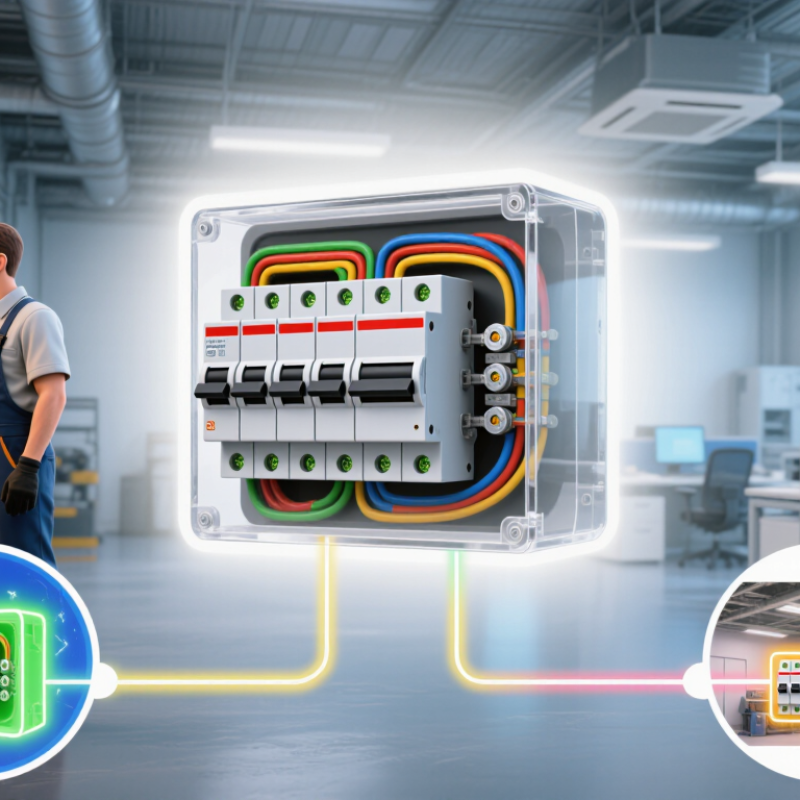
A smart circuit breaker combines conventional electrical protection with sensing, communication, and software. Unlike an ordinary breaker, it measures current, voltage, temperature, and sometimes power quality continuously. When current exceeds a safe threshold, its internal trip mechanism opens the circuit. The smart layer then records the event and sends an alert to a phone or building system. The protection remains local. Internet access should not be required for basic safety.
This matters as electrical demand becomes more complex. The International Energy Agency’s Electricity 2024 report forecasts global electricity demand to grow by about 3.4% annually from 2024 through 2026. More electric vehicles, heat pumps, and connected equipment can create uneven loads. A smart breaker may reveal a kitchen circuit heating every evening or a workshop drawing power after closing time. Small clues matter. Project teams can use this data to balance circuits, schedule heavy loads, and investigate abnormal consumption before a nuisance trip becomes a serious fault.
Still, the technology is not magic. Remote switching cannot repair damaged wiring or replace inspection. Installation must match the panel rating, conductor size, grounding system, and applicable electrical codes. A qualified electrician should verify these details. In practice, unclear circuit labels can weaken the value of excellent monitoring. Connectivity also fails. The breaker must still trip safely offline, while its stored data remains protected and understandable to the person maintaining the panel.
A smart circuit breaker combines familiar electrical protection with digital control. Its core job remains essential: interrupting power during overloads or short circuits. The difference is visibility. A homeowner or technician can check current, voltage, and energy use from a connected interface. Useful data.
In practical projects, remote switching can isolate a workshop circuit before maintenance begins. Scheduling can reduce unnecessary operation, such as powering outdoor equipment overnight. Instant alerts may report repeated trips, unusual consumption, or rising temperatures. These warnings help technicians investigate loose connections or overloaded outlets before damage develops. However, connected features are not perfect. Wi-Fi can fail, sensors can drift, and an application may display confusing information. A manual control option is still important. Reliable models should also support secure access, event records, and clear compatibility with the distribution board. Installation must follow local electrical codes and be completed by a qualified professional. From field experience, the best choice is rarely the device with the longest feature list. It is the one that provides accurate protection, understandable readings, and dependable operation when the network disappears.
A smart circuit breaker can make project safety more visible, not merely more convenient.
It monitors current, voltage, temperature, and leakage conditions in real time. When an abnormal reading appears, it can disconnect power and send an alert to authorized personnel. A warning on a phone may reveal a heating cable before smoke reaches the ceiling. That extra time matters on construction sites, workshops, and temporary facilities.
Safety improves further through event records. Maintenance teams can review repeated trips, identify overloaded circuits, and correct loose connections or poor load planning. Remote status checks also reduce unnecessary panel access in damp or restricted areas. Yet intelligent protection does not replace sound electrical design. The breaker must match the system rating, interrupting capacity, enclosure, and local requirements. A qualified electrician should verify installation, coordination, and testing.
There are weaknesses worth admitting. A network outage can interrupt remote alerts, while incorrect settings may create false confidence. Manual inspection remains necessary. Test it regularly. Keep backup procedures clear. In my view, strong projects combine smart monitoring with physical labeling, dependable grounding, and trained workers. Data supports decisions, but people still need to question unusual readings and investigate every unexplained trip.
Before choosing a smart circuit breaker, define what the project actually needs. A modern interface is not enough. Check rated voltage, current capacity, interrupting rating, and installation method. For a workshop, frequent motor starts may create brief surges that a home-focused device cannot manage. I have seen specifications ignored because the app looked convenient. That mistake can become expensive.
Ask how the breaker measures and communicates. Useful data may include load current, energy use, trip history, and temperature alerts. Confirm whether readings update quickly enough for your decisions. A delayed alert is less useful near a heavily loaded panel. Review communication security, local control, and offline behavior before connecting it to a network. Connectivity can fail. The circuit still needs to operate safely.
Compatibility deserves practical testing. Measure panel space, terminal sizes, wire ranges, and available fault protection. Follow applicable electrical codes and use a qualified electrician for installation and verification. Ask for test reports, clear instructions, and traceable safety certifications from the supplier. Do not rely on marketing claims alone. I would also test nuisance trips under normal loads, although real conditions often differ from laboratory results. That uncertainty should shape the commissioning plan.
Installing a smart circuit breaker begins with safety, not software. Turn off the main supply and verify zero voltage with a tested meter. A qualified electrician should confirm the panel’s rating, conductor size, neutral arrangement, and available fault current. The breaker must match the system, not merely fit the enclosure. Tighten terminals to the manufacturer’s specified torque, then record the result. A loose connection can create heat quietly.
After energizing the circuit, test the breaker manually before connecting its network functions. Configure circuit names, current limits, schedules, and overload alerts. A practical setting is a warning below the trip threshold, giving users time to investigate unusual loads. The International Energy Agency’s Electricity 2024 report expects global electricity demand to grow by about 3.3% annually through 2026. Better circuit-level visibility is becoming useful, especially in busy commercial panels.
Management also needs discipline. Use unique credentials, restrict remote access, install verified firmware updates, and separate control devices from general guest networks. NISTIR 8259A identifies secure configuration, logical access control, software updates, and cybersecurity-state awareness as core IoT capabilities. Keep a dated log of trips, temperature changes, firmware versions, and maintenance work. Do not reset a breaker remotely without checking the connected equipment. A recurring trip may indicate damage, overload, or a wiring fault. Convenience can hide uncertainty. One weak point remains: wireless status may fail during a network outage, so local indicators and physical access still matter.
Accreditations
ISO 9001 Quality Management
HSE Management Compliant
Products and services comply with relevant Australian (AS) and international (ISO, etc.) Standards.
"*" indicates required fields