7 Tips for Choosing the Right Water Flow Control Valve
Choosing the right water flow control valve is not a simple matter of matching pipe size. A valve may fit a two-inch line yet perform poorly under changing pressure, temperature, or demand. In a real plant, a small sizing error can cause noise, vibration, unstable flow, or early seal failure. That is why practical selection requires more than a product catalogue.
Bela G. Lipták, a respected process-control engineer, wrote, “The control valve is the most common final control element in an industrial process.” His observation remains useful for water systems. The valve directly influences pressure, flow rate, equipment protection, and operating costs. Engineers should examine the water quality, expected flow range, pressure drop, pipe material, actuator type, and required fail position. They should also check cavitation risk, corrosion exposure, maintenance access, and local compliance requirements. Small details matter.
The seven tips in this guide turn those checks into a clearer decision process. They cover accurate sizing, suitable valve materials, control accuracy, actuator selection, energy efficiency, installation conditions, and long-term maintenance. A stainless-steel body may suit treated water, while a different material may work better with chemicals or abrasive particles. Not every expensive valve is the best choice. Sometimes, the overlooked installation detail causes the real problem. Review the manufacturer’s performance data, request verified technical documentation, and compare actual operating conditions with laboratory ratings. A careful decision may take longer. It usually prevents a much more expensive correction later.
Understanding Water Flow Control Valve Types
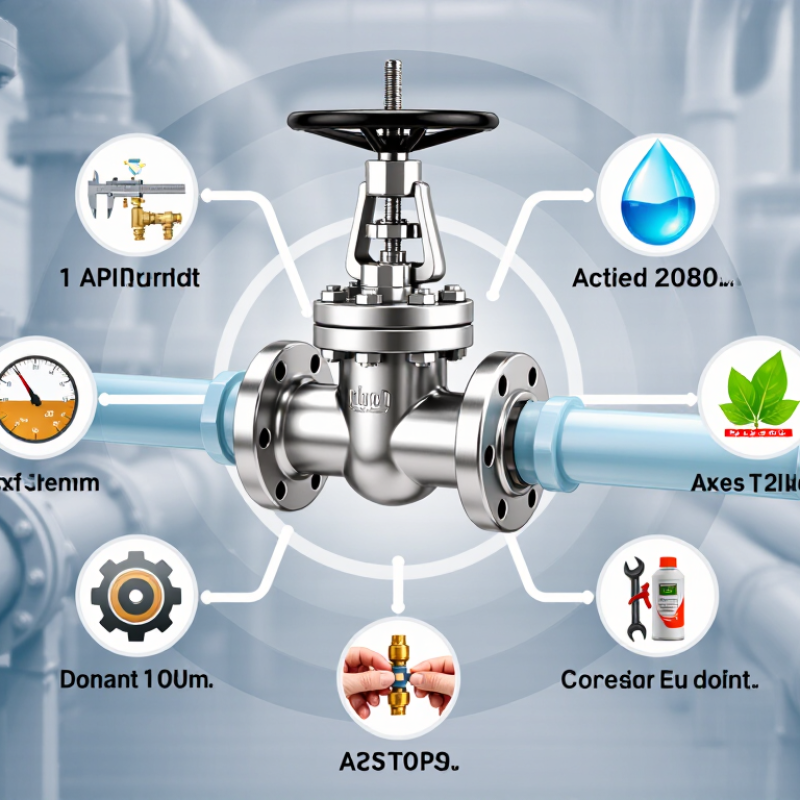
Choosing the right water flow control valve begins with understanding valve types. A ball valve opens quickly and seals tightly, so it works well for basic shutoff. However, partial opening can cause uneven wear. A globe valve offers smoother throttling through its shaped passage, but it creates more pressure loss. Butterfly valves fit large pipes and tight spaces, while gate valves are better for full open or closed service. They are poor choices for regular flow adjustment.
Need precise control? Consider a needle valve. Its narrow passage handles low flow rates with fine adjustment. A diaphragm valve can suit water containing suspended particles because the flexible barrier protects internal components.
Check valves prevent reverse flow, but they do not regulate flow by themselves. Measure, don’t guess. Record pipe diameter, expected flow rate, pressure, temperature, and water quality before selecting a size.
In field inspections, I have seen oversized valves cause unstable control and noisy operation. An undersized valve may produce excessive pressure drop and shorten service life. Actuation also matters: manual handles suit simple systems, while automatic actuators need reliable control signals and safe failure positions. Review the valve’s pressure rating, materials, maintenance access, and published test data. Confirm compatibility with applicable engineering standards and local requirements. Small details matter. I once focused too heavily on flow capacity and overlooked cleaning access, creating unnecessary maintenance work. The lesson still needs repeating.
Matching Valve Material to Water Quality and Pressure
A
water flow control valve should be selected from water conditions, not appearance. In field inspections, I begin with a water report and the operating pressure range. Chlorinated water can gradually attack unsuitable metals, especially when temperature rises. Hard water leaves mineral deposits around seats and moving stems. Low-pH water may increase corrosion risk. These details change the material decision.
For clean municipal water, corrosion-resistant stainless steel or certified engineering plastics may be appropriate. The choice still depends on temperature, pressure, and connection design. For aggressive or salty water, verify compatibility with the body, trim, fasteners, and seals. One strong body cannot compensate for a weak seal. Check the working-pressure rating, not only the burst pressure. Pressure surges from pumps can exceed normal gauge readings. A valve rated just above everyday pressure may fail early. Leave a sensible margin.
I also inspect the installation environment. Direct sunlight, freezing, vibration, and trapped sediment can shorten service life. Ask for test records and material certificates when reliability matters. Independent compliance evidence is useful for drinking-water applications. Small details matter. Do not trust a familiar material blindly. I once treated “stainless” as a complete answer, then found the seal was the limiting part. That mistake changed my checklist. Measure real pressure at the valve, review water chemistry, and question assumptions before approving the final selection.
Choosing the Correct Valve Size and Flow Capacity
Correct valve sizing begins with verified operating data, not the pipe diameter alone. Record normal, minimum, and peak flow rates. Then calculate the pressure drop available across the valve. A valve that is too large may operate almost closed, causing unstable control. A valve that is too small can create noise, vibration, and insufficient flow.
Use the manufacturer’s published flow coefficient, Cv, for the actual fluid and pressure conditions. Check temperature, viscosity, density, and required turndown. Leave practical capacity, but avoid excessive oversizing. The U.S. Department of Energy reports that pumping systems can represent 25% to 50% of industrial electricity use. Correct valve selection can reduce unnecessary throttling losses within those systems. Small details matter. A ten-millimeter error can change the control response.
Field commissioning often exposes the missed assumption. The design flow may be correct, yet the measured pressure differs because filters clog or pumps operate away from their curves. Recheck the valve at startup and under partial load. The U.S. Environmental Protection Agency estimates that household leaks waste nearly one trillion gallons of water annually in the United States. Industrial systems require tighter discipline. Inspect shutoff performance, confirm flow readings, and document the final setting. I still see valves selected from maximum flow alone. That shortcut deserves a second review.
Checking Installation Needs, Maintenance, and Service Life
Choosing the right water flow control valve starts with the installation site, not the product table. During field inspections, I check pipe diameter, pressure, temperature, flow direction, and available clearance. A valve needs room for safe adjustment and future repair. Tight spaces often turn a simple replacement into a costly shutdown. The actuator or handle should remain visible and reachable. I also confirm that the valve materials suit the water quality and operating conditions.
Maintenance needs practical planning. Ask whether technicians can isolate the line without draining an entire system. Removable inspection points can reduce downtime. I recommend checking seals, connections, corrosion, and operating movement at scheduled intervals. Even a small leak can damage nearby insulation or flooring. Keep service records with dates, pressure readings, and replaced parts. This evidence supports better decisions, although records are often neglected.
Service life depends on more than advertised durability. Correct sizing, stable pressure, clean water, and gentle operation all matter. An oversized valve may operate poorly at low flow. An undersized valve can suffer excessive velocity and wear. I once underestimated clearance around a valve, making later servicing unnecessarily awkward. That mistake reinforced a simple lesson: inspect the complete installation, not only the valve. Select a design with accessible components, compatible seals, and a realistic maintenance schedule. No valve lasts well when installation conditions are ignored.
A reliable water flow control valve should be evaluated by more than purchase price. This practical planning model gives the greatest attention to flow requirements, pressure and temperature compatibility, installation conditions, maintenance access, corrosion resistance, control accuracy, and expected service life. Always verify the final selection against project specifications and applicable standards.