Selecting a reliable butterfly valve manufacturer is not a simple price comparison. Global buyers must examine design quality, production experience, testing procedures, and long-term support. A valve may look identical in a catalog, yet perform differently under corrosive chemicals, chilled water, steam, or abrasive slurry. Small details matter. Seat materials, disc finish, shaft design, pressure class, and actuator response can decide whether a system runs smoothly or leaks after installation.
R. W. Zappe, author of Valve Selection Handbook, offers a practical principle: “Valve selection depends on the service conditions.” This idea remains highly relevant today. A dependable manufacturer should explain why a particular elastomer, alloy, or coating suits the application. It should also provide traceable test records, dimensional drawings, material certificates, and clear maintenance guidance. International certifications can help, but certificates alone do not prove field performance. Buyers should still check references, factory capabilities, and after-sales responsiveness.
This guide reviews 10 leading butterfly valve manufacturers for global buyers. The comparison considers product range, engineering strength, quality control, customization, delivery capacity, and service coverage. It also considers less visible concerns, such as spare-part availability and communication during urgent repairs. No ranking can remove every uncertainty. Some public data may be incomplete, and regional performance can vary. That limitation deserves attention. A manufacturer trusted in municipal water treatment may not be ideal for high-temperature processing. The best choice is therefore application-specific, evidence-based, and practical. Expect useful comparisons, but verify critical details before approving a purchase.
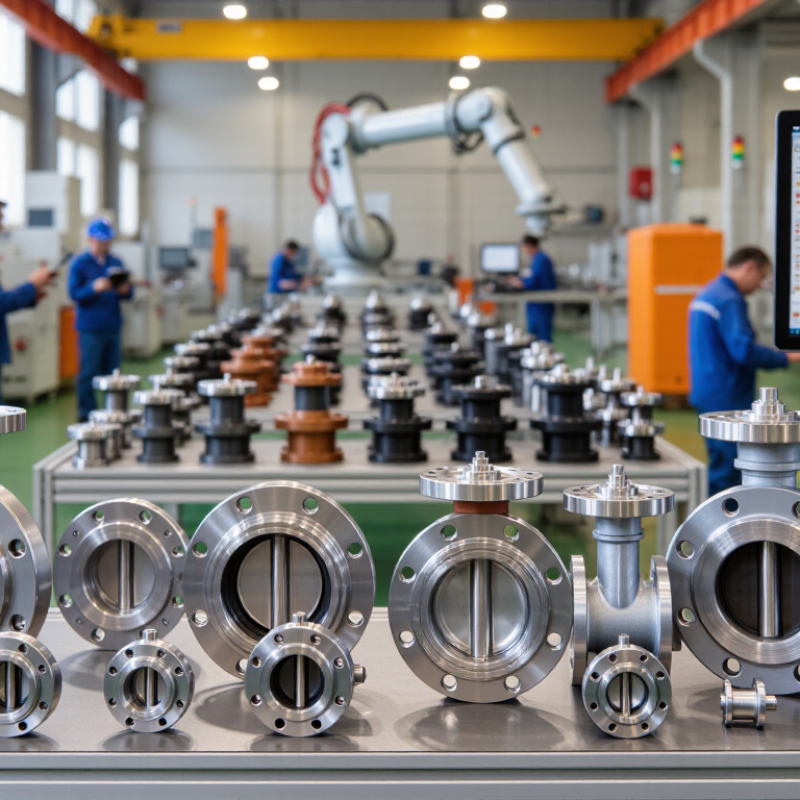
A butterfly valve uses a rotating disc to regulate or isolate fluid flow. A quarter-turn moves the disc from open to closed. Its compact body, low weight, and relatively low cost suit large pipelines. Common designs include concentric, double-offset, and triple-offset valves. Each design handles different temperatures, pressures, and sealing demands. Rubber-lined seats often serve water systems, while metal seats tolerate hotter process media. Selection is not just about pipe size. Engineers should check pressure rating, fluid chemistry, operating torque, leakage class, and actuator performance. A small mismatch can cause seat wear, high energy use, or unsafe shutdowns.
Water treatment remains a major application. The UNESCO World Water Development Report 2024 states that agriculture accounts for about 72% of global freshwater withdrawals. Large irrigation networks therefore need reliable isolation and flow control. Butterfly valves also appear in cooling-water circuits, HVAC systems, fire-protection piping, mining, and chemical processing. The International Energy Agency reports that industry consumes nearly 40% of global final energy, making efficient flow control increasingly relevant. Yet efficiency claims need caution. A valve does not automatically reduce energy consumption; poor sizing can increase turbulence and pumping demand. Field experience shows that frequent cycling, abrasive solids, and temperature changes deserve early review. Sometimes, the simplest valve is the wrong one.
Global buyers should compare butterfly valve manufacturers through evidence, not polished catalog language. Start with application fit: valve size, pressure class, temperature range, media, and cycling frequency. A supplier experienced with clean water may not understand abrasive slurry or corrosive chemicals. Ask for material certificates, pressure-test records, and applicable certification documents.
Factory capability matters beyond production volume. Review machining equipment, assembly controls, coating methods, and final inspection procedures. During an audit, check whether serial numbers connect each valve to its raw materials and test results. Request a sample valve and inspect its disc alignment, seat finish, actuator response, and flange dimensions. Small defects often appear here before large orders reveal them. Lead time should include testing, packing, export documentation, and realistic transport delays.
Reliable manufacturers explain failure limits instead of promising perfect service. Compare warranty terms, spare-part access, technical response times, and support across time zones. Total cost also includes installation labor, replacement seats, energy use, and downtime. A lower quotation can become expensive after repeated adjustments. It is reasonable to score suppliers differently for each project, then revisit those scores after trial orders. My own comparison process once overvalued delivery speed and underestimated documentation quality. That mistake slowed site approval. A practical review should combine factory evidence, user references, third-party inspection, and the buyer’s operating experience. Ask difficult questions early. Insist on clear answers.
For global buyers, the ten best butterfly valve manufacturers should prove quality beyond polished brochures. Their factories need controlled machining, documented assembly, and trained inspection teams. Look for ISO 9001 quality systems, supported by clear production records. Relevant standards may include API 609, EN 593, ISO 5208, and API 598.
Ask how each valve is tested before shipment. Reliable manufacturers perform pressure, shell, seat leakage, and operating torque tests. Test reports should identify the valve size, materials, pressure class, and serial number. Material certificates, such as EN 10204 3.1 documents, strengthen traceability. A real factory should also explain its rubber compounds, disc coatings, shaft design, and corrosion protection.
Small details matter. A clean flange face, even coating, and smooth quarter-turn movement can reveal careful workmanship. Factory acceptance testing becomes more valuable when inspectors can witness it remotely or on site. Certifications help, but they are not complete proof. Some documents may be current while daily control remains inconsistent. No manufacturer is flawless. Buyers should review rejected batches, repair procedures, warranty terms, and spare-part availability. That uncomfortable conversation often reveals more than a sales presentation. Reliability is built through repeatable processes, honest reporting, and valves that perform after installation, not merely before shipment.
International buyers need more than a long manufacturer list when selecting butterfly valves. A reliable supplier should show practical experience with water treatment, HVAC, chemical processing, and industrial pipelines. Product selection must match pressure ratings, temperature ranges, media compatibility, and installation conditions. A valve that works well in clean water may fail quickly with abrasive slurry.
Strong manufacturers provide clear technical drawings, material certificates, pressure-test records, and traceable inspection reports. Look for documented quality systems and testing aligned with recognized international standards. Disc materials, seat compounds, shaft design, and coating quality deserve close attention. Small details matter. A poorly finished sealing surface can cause leakage after repeated cycling.
International service is equally important. Confirm export packaging, spare-part availability, lead times, and communication during production. Experienced manufacturers can explain why a wafer, lug, or flanged design suits a specific pipeline. They should also support voltage, actuator, and connection requirements across different markets. In my evaluation work, responsive technical teams often prevent more problems than attractive pricing. Still, no supplier is perfect. Catalog claims require verification through samples, factory records, and independent inspection when the project carries serious risk. A low purchase price may become expensive after delays, replacement parts, or difficult commissioning. Check carefully.
The chart shows commonly specified ASME pressure-class designations associated with industrial valve specifications. These class numbers are nominal designations, not universal working-pressure limits. The actual allowable pressure depends on valve design, body and disc materials, seat construction, temperature, size, and the applicable standard.
Choosing among the 10 best butterfly valve manufacturers requires more than comparing prices. Start with your operating conditions. Record the fluid, pressure class, temperature range, pipe size, and cycling frequency. A valve for chilled water may fail quickly in abrasive slurry service. Material selection matters. Check the body, disc, seat, stem, and sealing materials against the medium.
Ask each manufacturer for test procedures and inspection records. Reliable suppliers should provide pressure-test results, dimensional drawings, material certificates, and clear traceability. Look for evidence of quality management and relevant industry standards. Factory audits can reveal practical details, such as organized assembly areas and calibrated testing equipment. Small details count. Also examine engineering support. Can the team review your torque calculation? Can it suggest an actuator for emergency shutdown or frequent operation?
Delivery capability deserves equal attention. Confirm production capacity, spare-part availability, packaging methods, and technical support after installation. Request references from projects with similar pressure and temperature conditions. Speak with actual users when possible. A polished brochure is not proof. I have seen technically strong offers fail because drawings arrived late or replacement seats were unavailable. That weakness is easy to miss during purchasing. Include acceptance criteria in the contract, but keep them realistic and measurable. One overlooked issue remains common: buyers focus on the initial quote and ignore lifecycle costs. A lower price can mean more downtime, difficult maintenance, and earlier replacement. Review the complete supply chain before selecting a manufacturer.
| Rank | Manufacturer Profile | Fit Score | Typical Product Coverage | Common Size Range | Typical Pressure Basis | Body and Disc Options | Seat Options | Key Standards to Verify | Best Project Fit | Buyer Verification Points |
|---|---|---|---|---|---|---|---|---|---|---|
| 1 | Profile A Industrial Full-Range Supplier |
9.5/10 | Wafer Lug Flanged High-performance | DN50–DN1200 approximately 2–48 in |
PN10/16; Class 150; higher ratings subject to design | Ductile iron, carbon steel, stainless steel; stainless or coated disc | EPDM, NBR, FKM, PTFE, metal-seated options | EN 593, API 609, ISO 5752, ISO 5211 | Water treatment, HVAC, general process piping, utilities | Confirm pressure-temperature charts, fugitive-emission testing, coating system, and actuator compatibility. |
| 2 | Profile B Water and Wastewater Specialist |
9.3/10 | Wafer Lug Flanged Resilient-seated | DN50–DN2000 approximately 2–80 in |
PN6/10/16; Class 125/150 depending on design | Ductile iron or cast iron body; ductile iron, stainless steel, or coated disc | EPDM commonly used for potable and wastewater service; NBR for selected fluids | EN 593, AWWA C504, AWWA C516, ISO 5752 | Municipal water, sewage, desalination, irrigation | Check potable-water approvals, lining thickness, shaft sealing, buried-service suitability, and torque data. |
| 3 | Profile C Oil, Gas, and Process Supplier |
9.1/10 | Lug Flanged Double-offset Triple-offset | DN50–DN1500 approximately 2–60 in |
ASME Class 150–600; PN16–PN100 depending on design | Carbon steel, stainless steel, duplex, alloy steel; corrosion-resistant trim | Metal-seated, graphite, PTFE, fire-safe resilient designs | API 609, API 607, ISO 15848, ASME B16.34 | Refineries, pipelines, gas processing, chemical plants | Verify fire-safe certification, emissions class, NACE requirements, end-to-end dimensions, and material traceability. |
| 4 | Profile D Corrosion-Resistant Materials Specialist |
8.9/10 | Lined Lug Flanged High-alloy | DN25–DN600 approximately 1–24 in |
PN10/16; Class 150; temperature dependent | Cast iron, carbon steel, stainless steel, duplex, special alloys; PTFE-lined discs | PTFE, PFA, EPDM, FKM, chemically resistant elastomers | EN 593, API 609, ISO 5211, ASTM material specifications | Acids, alkalis, seawater, chemical processing, corrosive media | Request chemical compatibility charts, lining inspection records, vacuum-service limits, and temperature derating. |
| 5 | Profile E HVAC and Building Services Supplier |
8.7/10 | Wafer Lug Manual Automatic | DN25–DN600 approximately 1–24 in |
PN10/16; Class 125/150 depending on connection | Cast iron, ductile iron, carbon steel; stainless or plated disc | EPDM for water and glycol service; NBR for selected applications | EN 593, ISO 5752, ISO 5211, EN 1074 where applicable | Chilled water, cooling towers, heating systems, ventilation systems | Check leakage class, actuator cycle rating, insulation clearance, stem orientation, and installed torque. |
| 6 | Profile F Food, Beverage, and Sanitary Supplier |
8.6/10 | Lug Flanged Sanitary Polished trim | DN25–DN300 approximately 1–12 in |
PN10/16; Class 150; application dependent | 316/316L stainless steel commonly specified; hygienic surface finishes available | EPDM, FKM, silicone, PTFE, food-contact elastomer options | EHEDG, 3-A, FDA, EC 1935/2004 where applicable | Food processing, beverage production, pharmaceutical utilities | Confirm surface roughness, elastomer declarations, drainability, dead-leg control, and clean-in-place compatibility. |
| 7 | Profile G Power and High-Temperature Supplier |
8.5/10 | Double-offset Triple-offset Flanged Metal-seated | DN80–DN1500 approximately 3–60 in |
ASME Class 150–600; high-temperature rating must be confirmed | Carbon steel, stainless steel, alloy steel, duplex; hard-faced or laminated metal disc | Metal seat, graphite, stainless steel, high-temperature engineered materials | API 609, ASME B16.34, API 607, ISO 5208 | Steam, hot gas, boiler systems, power generation, thermal processing | Review thermal cycling data, seat leakage at operating temperature, emission performance, and actuator sizing. |
| 8 | Profile H OEM and Private-Label Manufacturer |
8.3/10 | Wafer Lug Flanged Custom labeling | DN40–DN1000 approximately 1½–40 in |
PN10/16; Class 150; custom ratings subject to engineering review | Ductile iron, carbon steel, stainless steel; coated or polished discs | EPDM, NBR, FKM, PTFE, silicone by application | EN 593, API 609, ISO 5211, ISO 9001 quality systems | Distributors, project packages, standardized replacement programs | Audit production capacity, inspect sample consistency, define inspection plans, and secure spare-parts commitments. |
| 9 | Profile I Compact and Low-Pressure Supplier |
8.1/10 | Wafer Manual Lined Lightweight | DN25–DN500 approximately 1–20 in |
PN6/10/16; Class 125/150 depending on model | Cast iron, ductile iron, aluminum or stainless steel options | EPDM, NBR, FKM, PTFE depending on fluid and temperature | EN 593, ISO 5752, ISO 5211, ISO 5208 | General utilities, irrigation, compressed-air systems, light industrial service | Confirm minimum operating pressure, flange compatibility, shaft retention, coating quality, and replacement availability. |
| 10 | Profile J Project Engineering and Customization Supplier |
8.0/10 | Wafer Lug Flanged Custom design | DN50–DN1800 approximately 2–72 in |
PN10–PN40; Class 150–300; project-specific ratings | Carbon steel, stainless steel, duplex, nickel alloys, lined configurations | EPDM, NBR, FKM, PTFE, graphite, metal-seated designs | EN 593, API 609, ISO 5211, ASME B16.34, ISO 9001 | Infrastructure projects, EPC packages, unusual media, engineered systems | Evaluate design calculations, quality documentation, FAT procedures, delivery milestones, and after-sales support. |
Accreditations
ISO 9001 Quality Management
HSE Management Compliant
Products and services comply with relevant Australian (AS) and international (ISO, etc.) Standards.
"*" indicates required fields