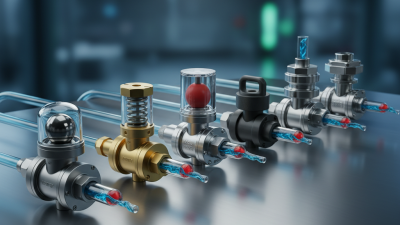
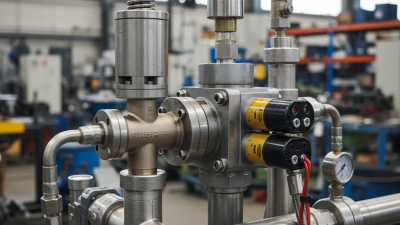
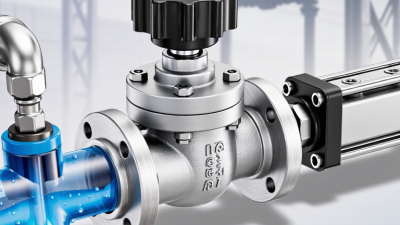
Top 10 Ball Check Valve Suppliers Worldwide?
Choosing a ball check valve supplier is not just a price comparison. The valve must suit the fluid, pressure range, temperature, and installation conditions. A mismatch can cause leakage, unwanted backflow, or maintenance delays. Small details matter.
This guide introduces ten suppliers with international reach and examines the factors buyers can compare. These include product range, materials, pressure ratings, testing practices, documentation, and access to technical support. A supplier’s website may list impressive specifications, but buyers should confirm that the offered model fits their actual service conditions. Ask for current product data sheets, relevant test records, and clear answers about operating limits. For demanding applications, qualified engineers should review the selection before purchase.
No ranking can replace application-specific checks. Company coverage, product availability, and service quality may vary by region, and information can change over time. That is easy to overlook. Treat this list as a starting point, not a final endorsement. Comparing suppliers with the same written requirements makes differences easier to see, from connection types and body materials to lead times and spare-parts access. The right choice is the one supported by verifiable specifications and responsive, technically capable service.
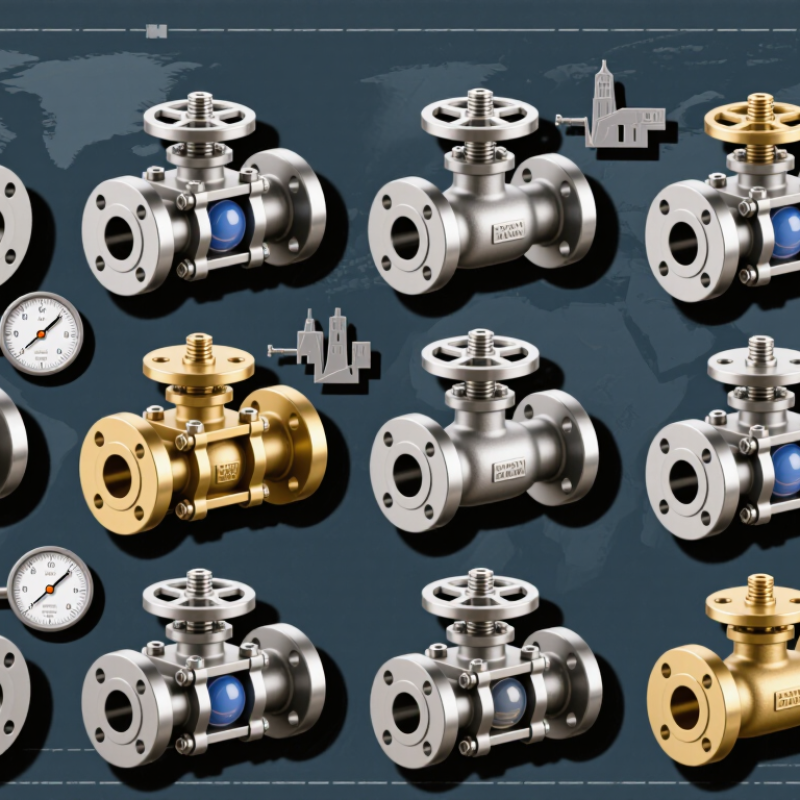
Define Ball Check Valves by Design, DN Size, and Pressure Rating
Top 10 Ball Check Valve Suppliers Worldwide? Define Ball Check Valves by Design, DN Size, and Pressure Rating
A ball check valve uses a freely moving ball to control flow. Forward pressure lifts the ball from its seat; reverse flow pushes it back to help prevent backflow. Design details matter. A resilient ball may suit water service, while a harder ball and seat may be specified for more demanding conditions. The right choice depends on the fluid, temperature, installation position, and expected cycling. A compact body can save space, but access for inspection still matters.
DN size describes the nominal connection size, not necessarily the valve’s exact internal opening. Match the DN to the pipeline and check the manufacturer’s flow data for pressure loss. Pressure rating also needs careful review. Confirm the rating at the operating temperature, and compare it with both normal pressure and possible surges. A valve’s connection type and applicable design standard should match the piping system. These details are easy to overlook when comparing supplier quotations.
Tips: Ask suppliers for material specifications, pressure-temperature data, and tested flow information. Check whether the valve is suitable for horizontal or vertical installation. Verify the ball and seat materials against the actual fluid, not just a generic service description. If sizing remains uncertain, share the flow rate and system conditions for review. A neat catalog table helps, but it cannot replace the operating details.
Compare Suppliers Using API 594, ISO 9001, and ASME B16.34
When comparing ball check valve suppliers, treat API 594 as a scope check, not a blanket approval. The standard covers specified check-valve designs, so ask whether its requirements apply to the exact ball-check construction offered. Request the relevant design basis, inspection records, and test documentation. A certificate alone is not enough.
ISO 9001 can indicate a documented quality management system, but it does not certify a valve’s performance. Check that the certificate is current and covers the manufacturing site supplying your order. Ask how the supplier controls material traceability, machining, assembly, and final testing. Specific records matter.
ASME B16.34 provides a useful comparison for pressure-temperature ratings, materials, and valve design requirements. Match its stated ratings to your process conditions, then check the proposed material against the fluid and operating temperature. Ask for pressure-test results and clear dimensional drawings. Details count. Compare answers across suppliers, not just brochures. If a supplier cites all three standards, verify the actual scope and supporting documents; paperwork can look convincing while leaving a real gap.
Assess Flow Performance Through Cv, Leakage Class, and Test Pressure
When comparing ball check valve suppliers, look beyond nominal pipe size. Cv measures flow capacity; under ISA-75.01.01, it relates flow to pressure drop for a defined fluid and test condition. Ask for the stated Cv, test medium, and pressure drop. Small differences matter. A high Cv can reduce pumping losses, but it does not guarantee stable operation when flow varies or the valve opens only partially.
Leakage class deserves equal scrutiny. ISO 5208:2015 defines valve pressure-testing procedures and leakage-rate criteria; Rate A requires no visually detectable leakage during the specified test. Request the actual seat-test result and test conditions, not just “bubble-tight” marketing language. That phrase can hide important details. For a check valve, reverse-pressure leakage is especially relevant, so confirm the direction and duration of the test.
Test pressure should match the intended service and the valve’s pressure-temperature rating. API 598 specifies shell testing at 1.5 times the applicable pressure rating, while closure-test requirements differ. Ask suppliers for traceable reports showing the standard edition, pressure, hold time, and acceptance criteria. One caveat is easy to miss: a successful factory test cannot predict every installation condition. Debris, pulsation, and water hammer can change performance in the field.
Review Top 10 Suppliers by Product Range, Materials, and Certifications
Top 10 Ball Check Valve Suppliers Worldwide
A credible top-ten review should compare more than catalog size. The global industrial valve market exceeded USD 75 billion in 2023, according to Grand View Research, with demand expected to grow at roughly 5% annually through 2030. This growth increases the need for traceable, application-specific ball check valves. The strongest suppliers offer threaded, flanged, wafer, and full-port designs. Some also provide non-slam options for pump discharge lines. Product depth matters.
Materials separate capable suppliers from ordinary vendors. Ductile iron suits general water service, while carbon steel handles higher pressure and temperature. Stainless steel supports corrosive media, and duplex alloys serve demanding chemical environments. Seats may use NBR, EPDM, PTFE, or FKM. Selection must match temperature and fluid chemistry. It is easy to choose incorrectly.
Certification evidence should include ISO 9001 quality systems, pressure testing under ISO 5208, and dimensional compliance with ASME B16.34 or relevant regional standards. For pipeline applications, API 6D documentation can strengthen confidence. A serious supplier should provide mill certificates, hydrostatic test records, material traceability, and clear pressure-temperature charts. MarketsandMarkets identifies reliability and lifecycle performance as major industrial valve purchasing factors in its 2024 market analysis. Yet certificates alone prove little. Factory audits, sample testing, spare-part availability, and response time reveal practical performance. In my experience, the cheapest quote often hides weaker elastomers or incomplete testing records.
Match Supplier Capabilities to Fluid Type, Temperature, and Operating Pressure
Choosing a ball check valve supplier starts with the fluid, not the catalogue. Water, oil, glycol, and abrasive slurry place different demands on the ball, seat, and body. Ask for compatibility data at your actual concentration and temperature. A seal that works in clean water may swell in a solvent or stiffen in cold service. Small details matter.
Consider temperature and operating pressure together. Check the valve’s pressure rating at operating temperature, not only its room-temperature maximum. Share pressure spikes, pump start-up behavior, and expected flow range with the supplier. These details affect seat selection, cracking pressure, and whether the ball can move freely. With viscous fluids, an undersized passage may cause sluggish opening and unwanted flow loss. Easy to miss.
Compare suppliers by requesting documented pressure and temperature limits, material specifications, and test procedures. If solids are present, ask how the design handles particle buildup around the seat. Request a recommendation tied to your service conditions, including its assumptions. A capable supplier should explain trade-offs rather than promise one valve for every line. I would still check dimensions and maintenance access on the installation drawing; datasheets rarely show the whole story.